৪ কার্তিক ১৪৩৩



Youth Protests Sweep Europe as Housing Crisis, Education Woes and Rising Living Costs Fuel Anger
19 October 2026 19:10 PM
NEWS DESK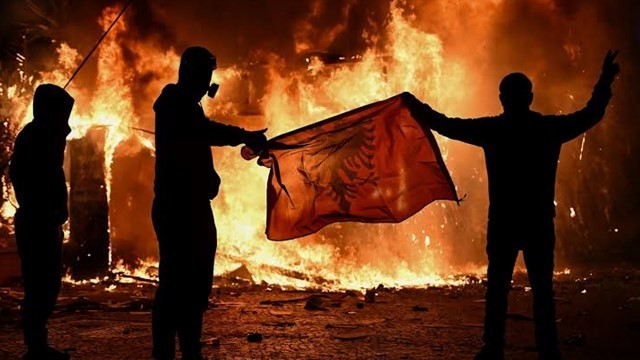
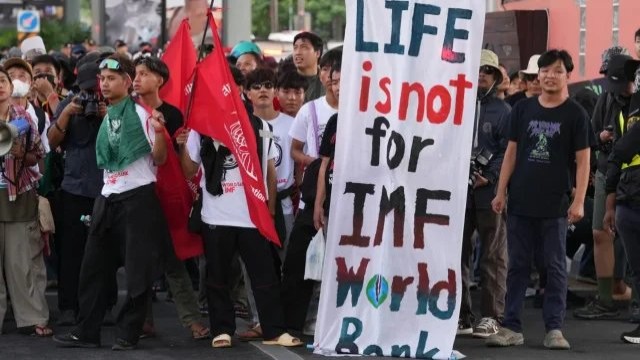
Young people across Europe have taken to the streets to protest deteriorating school conditions, housing shortages and soaring living costs, with demonstrations in Spain, France, Portugal and several other countries highlighting growing public frustration.
According to British newspaper The Guardian, protests in France have seen high school students clash repeatedly with police over long school days, teacher shortages, dilapidated classrooms and an opaque university admissions system.
Students say teacher absences and unfilled vacancies have deprived them of classes for weeks. Other demonstrators subsequently joined the student-led marches, turning the protests into a broader expression of discontent over the rising cost of living.
Fuel prices have also come under pressure amid the effective closure of the Strait of Hormuz following US bombing, according to the report. France’s General Confederation of Labour (CGT), one of the country’s major trade unions, has backed the protests, demanding lower prices, higher wages and improved pensions.
French President Emmanuel Macron is approaching the final stretch of his presidency after completing two terms at the Élysée Palace.
Spain’s housing crisis sparks public outrage
Across the Pyrenees in Spain, protesters began mobilising in September against skyrocketing rents.
Public anger intensified following the eviction of 87-year-old Maricarmen Abacal from her home after an investment fund increased her rent by 230 per cent. She died in hospital two weeks after the eviction.
Demonstrators are now demanding lower rents, an end to evictions and a ban on investment funds purchasing residential properties.
The housing crisis has become a major source of frustration, particularly among younger people struggling to secure affordable accommodation.
Portugal faces a surge in rents
The protests spread to Portugal on Saturday, with hundreds of people taking to the streets in central Lisbon to demand action on housing affordability.
Official figures show that rents in Portugal rose by 124 per cent between 2015 and 2024, nearly twice the average increase across the European Union over the same period.
The sharp rise has intensified concerns about the ability of ordinary households, particularly young people, to afford housing.
Clashes erupt in Italy; Albania protests continue
In Milan, Italy, demonstrators marched against mounting pressure on household budgets. Although the march began peacefully on Saturday, some masked protesters later threw bricks and stones at riot police.
They also set fire to barricades made from restaurant and bar furniture.
Meanwhile, protests against Albanian Prime Minister Edi Rama entered their sixth consecutive day on Sunday. Demonstrators have voiced anger over corruption, a lack of employment opportunities and poor-quality education.
The unrest initially emerged during the summer over a luxury coastal property development reportedly backed by Jared Kushner, son-in-law of former US president Donald Trump.
When did the protests begin?
In France, demonstrations over education began in late September, about a week after the start of the academic year. The protests subsequently intensified, reaching a peak on Saturday.
The same day, people took to the streets for the first time in Italy, Portugal and Belgium to protest the rising cost of living.
The demonstrations reflect a broader set of concerns across Europe, including inadequate public services, unaffordable housing and the erosion of household purchasing power.
Have governments responded?
The French government has announced plans to recruit an additional 3,000 substitute teachers to address staff shortages. It has also pledged to involve students in school decision-making.
Meanwhile, a planned increase in university registration fees for next year's budget has been scrapped.
In mid-September, the Élysée Palace also announced increased petrol subsidies for certain industries in response to fuel-related protests.
In Spain, Socialist Prime Minister Pedro Sánchez attempted to pass emergency housing legislation to strengthen protections for tenants. However, the bill was defeated in parliament amid opposition from right-wing and far-right parties.
Sánchez has told the public that he needs a “large progressive majority” to pass his proposed reforms and has called an early election for November 29.
Will the protests subside?
In France, Macron is scheduled to address the nation on television on Sunday evening following an emergency meeting with senior ministers.
However, Interior Minister Laurent Nuñez has suggested that the government is unwilling to make further concessions. He blamed the violence on what he described as “far-left” protesters and individuals involved in looting.
France's next presidential election is scheduled for April 2027.
In Spain, the protests could ease before the election if the government manages to pass at least some of its housing measures through a special committee.
Both Sánchez's Socialists and the conservative People's Party have pledged to prioritise new housing construction and address the country's housing problems ahead of next month's election.
Whether these measures will be sufficient to quell public anger remains uncertain, as housing affordability, living costs and access to quality public services continue to dominate the concerns of protesters across Europe.