১১ আশ্বিন ১৪৩৩



US and Iran Agree in Principle to Extend Ceasefire, Duration Yet to Be Finalized
13 August 2026 06:08 AM
NEWS DESK
The United States and Iran have agreed in principle to extend their 60-day ceasefire before its scheduled expiration, although the two sides have yet to reach a final agreement on the length of the extension.
The decision falls under the framework of the Islamabad Memorandum of Understanding (MoU). Pakistani government sources confirmed to Turkey's Anadolu Agency on Wednesday that both Washington and Tehran have informed mediators of their willingness to prolong the ceasefire, while discussions continue on the duration of the extension.
The current 60-day ceasefire is due to expire on August 17.
A source involved in the mediation process said both countries had formally communicated their consent to extend the truce, but negotiations remain ongoing to determine the exact timeframe for the renewed ceasefire.
The United States and Iran first agreed to a ceasefire in April through mediation by Pakistan. They later signed the Islamabad Memorandum of Understanding on June 17, aimed at paving the way for a permanent peace agreement.
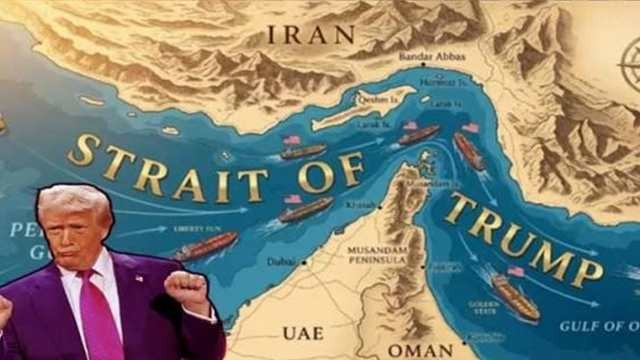
However, negotiations soon stalled over disagreements on security guarantees and freedom of navigation through the Strait of Hormuz, one of the world's most strategically important maritime trade routes.
Following the breakdown in talks, tensions escalated rapidly. Between July 8 and July 24, the two countries exchanged multiple rounds of military strikes. US forces targeted several sites inside Iran, while Tehran responded with missile and air attacks against US military bases and assets in Jordan, Bahrain, Kuwait, and other parts of the region.
Despite the recent hostilities, both governments have now signaled their willingness to prevent further escalation by extending the ceasefire. Diplomatic efforts are continuing through Pakistani and Qatari mediators in an attempt to bridge the remaining differences and revive negotiations.
The future of the talks is expected to depend largely on whether the two sides can resolve their dispute over security arrangements and navigation in the Strait of Hormuz, which remains a major point of contention.