২৩ আশ্বিন ১৪৩৩



Powerful El Niño Raises Risk of Extreme Weather and Humanitarian Crisis Worldwide
08 October 2026 20:10 PM
NEWS DESK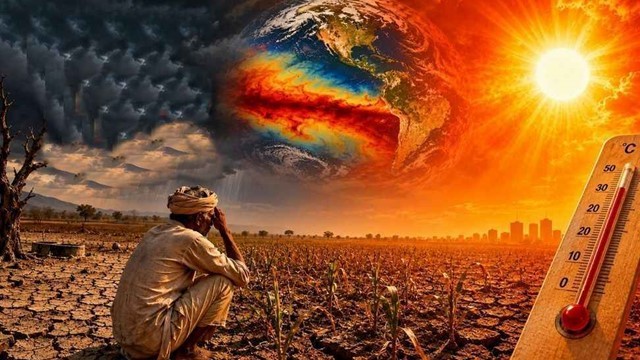
A record-strength El Niño is intensifying, raising concerns over a prolonged period of extreme heat, drought, floods, crop losses and humanitarian crises across the world.
The World Meteorological Organization (WMO) has warned that the phenomenon could persist until February 2027 and may become one of the strongest El Niño events since records began in 1950.
Forecasts indicate that sea-surface temperatures in the central and eastern tropical Pacific could rise by as much as 3.7 degrees Celsius above normal between October and December. If that occurs, it would surpass the previous record of 2.6 degrees Celsius recorded during the 2015-16 El Niño.
A “super El Niño” can significantly disrupt global atmospheric circulation, triggering heatwaves in some regions, droughts in others and destructive flooding elsewhere. Its effects can quickly spread from the climate system to agriculture, food markets, water supplies and critical services such as hospitals.
Drought could destroy crops and livestock, while excessive rainfall could wash away farmland and homes. Extreme heat could increase the risks of dehydration, infectious diseases and heat-related deaths. Repeated disasters, displacement and prolonged uncertainty could also worsen anxiety, trauma and other psychological distress.
Children and people already living in vulnerable conditions could face particularly severe consequences. According to UNICEF estimates, more than 347 million children across nearly 100 countries could be exposed to health risks from unusually heavy rainfall or extreme dry conditions between October and December.
Researchers have warned that extreme weather linked to the phenomenon could contribute to as many as 451,000 additional deaths worldwide through February 2027, although the impact is expected to vary significantly across regions.
Asia
The Indian subcontinent could experience drier-than-normal conditions, threatening crops and water supplies. South and Southeast Asia could face drought and food insecurity, while parts of East Asia could see heavier rainfall and flooding.
Bangladesh, Pakistan and Afghanistan are among the countries considered vulnerable. Bangladesh has already experienced deadly floods and landslides.
Africa
Southern Africa faces a heightened risk of severe drought, threatening maize production, livestock and food security.
Meanwhile, the Horn of Africa could experience unusually heavy rainfall and flooding. Somalia, Kenya and Ethiopia could face crop losses, displacement, disease and malnutrition.
Central Africa, Sudan, South Sudan and Chad are also considered particularly vulnerable to humanitarian impacts.
Europe
Unusually warm conditions could intensify heatwaves, drought, wildfires, agricultural losses and water shortages across parts of Europe. These conditions could also increase risks to physical and mental health.
North America
Areas south of 45 degrees north latitude could experience above-normal rainfall, increasing the risk of flooding. Extreme heat could also worsen heat-related illnesses, crop losses, respiratory problems and psychological stress.
South America
Drier conditions in northwestern parts of the continent could threaten agriculture and water supplies. Meanwhile, wetter areas in the southeast could face flooding, disrupting food production and affecting vulnerable rural communities.
Oceania and the Pacific
Australia and parts of the Pacific region could face intense heat, drought and water shortages. These conditions could put additional pressure on food supplies while increasing the risks of displacement and psychological distress.
The potential impacts highlight how a powerful El Niño can extend far beyond weather patterns, affecting food security, water availability, public health and livelihoods across multiple regions of the world.