১৩ কার্তিক ১৪৩৩



Israel Election: Netanyahu and Rival Eisenkot Vow to Form Government as Exit Polls Show Deadlock
28 October 2026 19:10 PM
NEWS DESK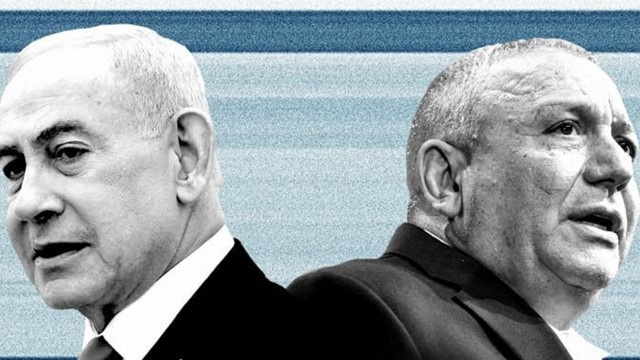
Neither political bloc in Israel’s parliamentary election appears close to securing a majority, according to exit polls, in the country’s first national election since it was profoundly shaken by the October 7, 2023, Hamas attack.
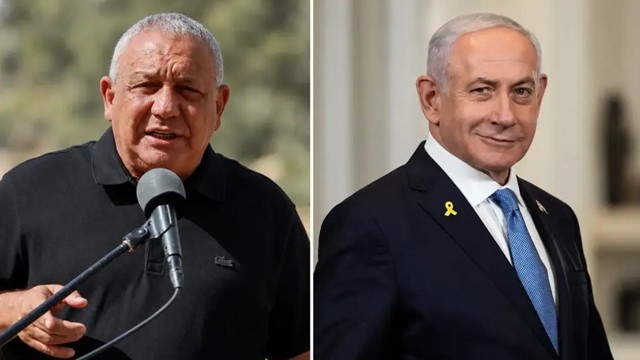
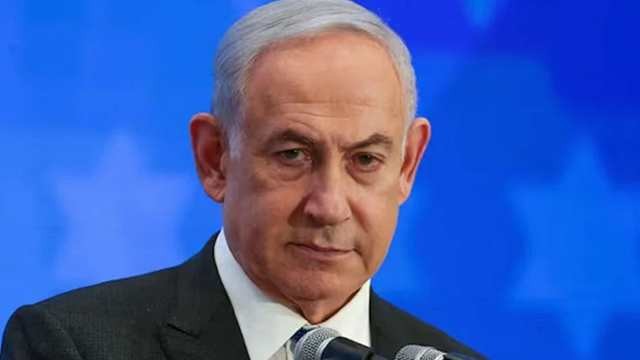
Prime Minister Benjamin Netanyahu and his challenger, Gadi Eisenkot, both vowed to form a government on Wednesday, news agency AFP reported.
According to the report, exit polls showed that the opposition alliance led by Eisenkot, a former military chief who is relatively new to politics, was running almost neck and neck with Netanyahu’s far-right bloc. However, both camps remained well short of the 61 seats required for a parliamentary majority.
Exit polls published by Israel’s three major television networks projected approximately 51 seats for each bloc, significantly below the threshold needed to form a government. Earlier projections had given the opposition an advantage.
Arab parties in Israel were projected to win between 17 and 18 seats, marking a significant advance. Several predominantly Arab communities recorded exceptionally high voter turnout amid anger over derogatory remarks frequently made by Netanyahu’s far-right allies.
With turnout reaching its highest level in decades, voters delivered their verdict on Netanyahu’s divisive leadership. Israel’s longest-serving prime minister has moved the country further to the right and launched successive military campaigns in response to the Hamas attack.
Public anger toward Netanyahu appears to have encouraged large numbers of voters to turn out, boosting the prospects of Arab parties. Netanyahu has long warned that growing political influence among Israel’s Arab minority could weaken the Jewish nationalist direction in which he has sought to steer the country.
Netanyahu Calls for a Strong Right-Wing Government
Speaking to enthusiastic supporters at a conference centre in Jerusalem shortly after 3 am on Wednesday, the 77-year-old prime minister called for a strong right-wing government and urged Jewish and Zionist supporters to unite.
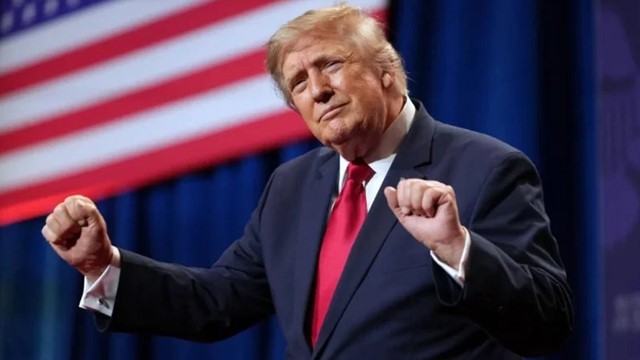
“With our ally, President Trump, Israel has a unique opportunity to eliminate the existential threat from Iran once and for all,” Netanyahu said.
Meanwhile, addressing supporters in Tel Aviv, Eisenkot issued an indirect warning to Netanyahu. Observers suggested that Netanyahu might seek to use the ongoing security situation to push for a national unity government.
“Netanyahu, do not dare use Israel’s security for your own political interests,” Eisenkot said.
Addressing officials in Israel’s security establishment, he stressed that they served the state, not Netanyahu. He described the prime minister as a caretaker leader lacking public support and the confidence of the people.
With turnout reaching approximately 78 per cent, the highest since 1999, Eisenkot said holding another election would be a mistake and pledged to move quickly to form a government.
“The people voted for change. A worthy leader would accept the verdict of no confidence and announce his retirement from politics today,” he said.
Mansour Abbas, a prominent leader of Israel’s Arab community, said he believed the right wing had suffered a major setback and expressed willingness to work with Eisenkot.
However, during the election campaign, Eisenkot had said he would not form a government with Arab lawmakers. Netanyahu, too, has again suggested that a government dependent on Arab votes would lack legitimacy.
Arab lawmakers could nevertheless support Eisenkot in parliamentary votes without formally joining his coalition, potentially allowing a minority government to survive. If such an arrangement proves unworkable, Israel could face another election.
Far-right leader Itamar Ben-Gvir, whose party appeared to perform below expectations in the exit polls, warned Netanyahu against pursuing another option: a national unity government with Eisenkot.
Ben-Gvir, who has advocated the displacement of Palestinians, called such an arrangement “a terrible mistake.” He is unlikely to join a government formed on those terms.
Netanyahu’s Legal Troubles and Eisenkot’s Personal Loss
Netanyahu faces an International Criminal Court (ICC) arrest warrant related to the Gaza war and is also standing trial in domestic corruption cases. Losing power could have significant political implications for his legal battles, although any potential prison sentence would depend on the outcomes of those proceedings.
Eisenkot, by contrast, is a relative newcomer to electoral politics. His calm and restrained manner contrasts sharply with Netanyahu’s polished oratorical style.
The son of working-class Jewish immigrants from Morocco, Eisenkot would become Israel’s first prime minister of Middle Eastern or North African descent if elected.
Before casting his ballot, the 66-year-old opposition leader visited the grave of his son, Gal, who was killed in the war in Gaza. His son’s death has drawn sympathy from many Israelis.
With neither major bloc projected to secure a parliamentary majority, the election’s outcome may ultimately depend on negotiations involving Arab parties, potential coalition partners and lawmakers willing to support a minority government.