৭ অগ্রহায়ণ ১৪৩৩



Nepal PM Balendra Shah’s First India Visit Raises Hopes of Reset in Bilateral Ties
21 November 2026 17:11 PM
NEWS DESK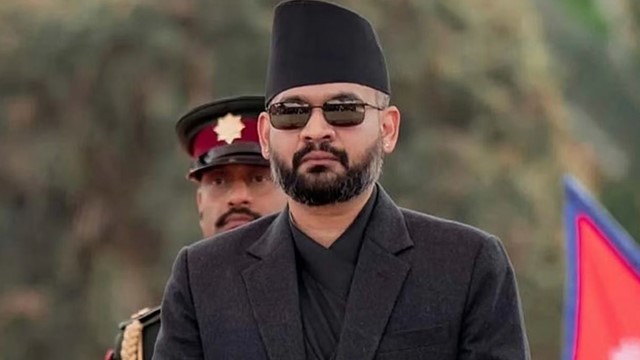
Nepal’s new Prime Minister Balendra Shah’s first visit to India has raised hopes of a fresh start in relations between the two neighbouring countries, offering an opportunity to rebuild ties after years of diplomatic tensions.
The visit marks the first high-level engagement between India’s top leadership and Nepal’s new generation of political leaders.
The 36-year-old former rapper and politician is scheduled to arrive in New Delhi on Sunday for a two-day visit, during which he is expected to meet Indian Prime Minister Narendra Modi and other senior officials.
Shah’s Rastriya Swatantra Party (RSP) came to power with a landslide victory in March, following a Gen-Z-led movement against corruption and nepotism that toppled the government of K P Sharma Oli six months earlier. The India visit is Shah’s first bilateral foreign trip since assuming office.
Discussions are expected to focus on economic and energy cooperation, the opening of new air routes and India’s assistance in rebuilding Nepal following devastating flash floods in August last year.
The floods killed more than 1,450 people, while thousands remain missing. The Nepalese government estimates that around $5 billion will be required for reconstruction.
India and Nepal share an open border stretching more than 1,750 kilometres and maintain deep historical, cultural, religious and economic ties. However, relations have frequently been strained by border disputes, allegations of Indian interference in Nepal’s domestic politics and resentment over what Kathmandu perceives as New Delhi’s big-brother attitude.
Tensions escalated in 2019 after India included territories claimed by Nepal in its official map. Nepal subsequently incorporated the disputed areas into its own map.
Nepalese analysts expect Shah to raise the possibility of initiating talks to resolve the longstanding border dispute during his visit.
Economic cooperation also offers significant opportunities. Although bilateral trade exceeds $9 billion, the balance remains heavily in India's favour.
India is Nepal’s principal supplier of petroleum products, while cooperation in hydropower has been expanding. India has approved a plan to import up to 1,200 megawatts of electricity from Nepal. Nepal is also exporting electricity to Bangladesh through Indian transmission networks.
Ahead of his India visit, Shah sent a 20-member parliamentary delegation to China on an 11-day trip beginning November 15. Analysts view the move as part of Kathmandu’s efforts to maintain balanced relations with its two powerful neighbours.
However, Shah’s government has also faced criticism over its lack of political and diplomatic experience. Nepalese political analyst Kanak Mani Dixit has expressed concerns about the new leadership’s limited experience and diplomatic judgement.
The government has also faced allegations of restricting press freedom.
Analysts say Shah’s biggest achievement in New Delhi would be securing concrete commitments from India, particularly on reconstruction assistance.
The outcome of the visit could also prove crucial for Shah domestically, as his government faces growing criticism and pressure to deliver on its promises.