১৫ অগ্রহায়ণ ১৪৩৩



Italy Bans Burqas and Niqabs in Schools, Caps Foreign-Origin Students at 30%
28 November 2026 18:11 PM
NEWS DESK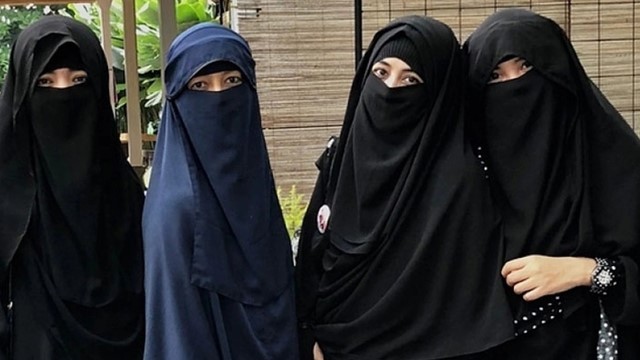
Italy’s parliament has approved a new education reform law banning the wearing of burqas and niqabs in schools and limiting the proportion of foreign-origin students in classrooms to a maximum of 30 percent, sparking intense political debate and criticism across the country.
The bill received final approval from the lower house, the Chamber of Deputies, on Thursday, with 142 votes in favour and 112 against. Four lawmakers abstained. The Senate, the upper house of parliament, had previously approved the legislation on November 20, according to reports by The Times of India and India Today.
Known as the ‘Decreto Scuola’ (School Decree), the legislation is part of Decree-Law No. 170, dated September 30, 2026. Introduced by the government led by Prime Minister Giorgia Meloni, the reform aims to ensure the smooth start of the 2026-27 academic year, support initiatives under the National Recovery and Resilience Plan (PNRR), and promote the integration of foreign students into the Italian education system.
Under the new rules, Muslim female students will be prohibited from wearing burqas and niqabs in schools and classrooms. Violations could result in fines of up to €1,000 (approximately Tk 130,000). If the student is a minor, the responsibility for paying the fine will fall on their parents or legal guardians.
The law also sets a 30 percent limit on the proportion of foreign-origin students in individual classrooms. However, the restriction will not apply to students who have already acquired sufficient proficiency in Italian.
Additionally, the legislation provides for Italian language courses for parents of foreign children who face difficulties adapting to the country's education system.
Prime Minister Giorgia Meloni has defended the measures, describing them as common-sense steps aimed at promoting gender equality and inclusion. Education Minister Giuseppe Valditara has also said the government introduced the measures in the interest of genuine integration.
However, opposition parties have strongly criticised the legislation, arguing that it could encourage discrimination against Muslim students and foreign families and create divisions among schoolchildren.
During the parliamentary vote, opposition lawmakers staged a protest by displaying banners bearing the slogan: “No one is foreign at school.”