১৩ আশ্বিন ১৪৩৩


Swiss Voters Cast Ballots on Proposal to Tighten Constitutional Neutrality
27 September 2026 19:09 PM
NEWS DESK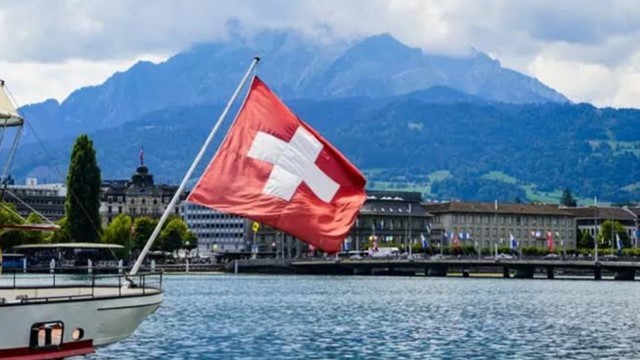
Swiss voters headed to the polls on Sunday to decide whether to enshrine a stricter definition of the country's long-standing policy of neutrality in the constitution, a proposal backed by right-wing groups that has sparked widespread political debate.
Opinion polls suggest that a majority of voters are likely to reject the initiative, which critics have described as "pro-Russian."
Voting began at 10:00 a.m. local time under Switzerland's system of direct democracy, although most Swiss citizens had already cast their ballots by mail before polling day.
While neutrality enjoys broad public support in Switzerland, the proposal has reignited debate over what the country's neutral status should mean in today's increasingly complex geopolitical environment.
Traditionally, Switzerland has maintained military neutrality while preserving a strong national defense. However, Russia's war in Ukraine has intensified discussions over how actively the country should respond to international conflicts.
The referendum was initiated by the sovereignty-focused group Pro Switzerland, which collected enough signatures to trigger a nationwide vote after expressing concern over the Swiss government's support for European Union economic sanctions against Russia.
Nearly all of Switzerland's major political parties and the federal government oppose the proposal. Recent opinion polls indicate that more than 60 percent of voters are expected to reject it.
Russia has repeatedly criticized Switzerland for aligning with EU sanctions, arguing that Bern has abandoned its neutral status. Moscow has welcomed the referendum initiative, while opponents within Switzerland have labeled it as being favorable to Russian interests.
The proposal seeks to define Swiss neutrality in the constitution as "armed and permanent." If approved, it would significantly restrict Switzerland's ability to deepen cooperation with NATO or join any military alliance unless the country itself comes under attack.
It would also prohibit Switzerland from imposing sanctions on other countries unless such measures are mandated by the United Nations.
Switzerland's tradition of neutrality dates back to 1516 and received formal international recognition in 1815.
Supporters and opponents of the initiative alike insist they are committed to preserving Swiss neutrality, but they disagree sharply over how it should be interpreted.
The Swiss government and parliament have urged voters to reject the proposal, arguing that it is overly restrictive and would limit the country's diplomatic flexibility at a time of heightened global tensions.
Speaking during a recent televised debate, Swiss Foreign Minister Ignazio Cassis said neutrality has always been applied with a degree of flexibility.
He also reaffirmed that Switzerland has no plans to lift its ban on arms exports to countries involved in conflicts, including Ukraine, but stressed that neutrality should not be confused with indifference.
"When international rules that enable peaceful coexistence are violated, we cannot simply look away," Cassis said.
Among Switzerland's major political parties, only the right-wing Swiss People's Party (SVP)—the country's largest political force—supports the initiative.
During the televised debate, SVP Vice President Céline Amaudruz said the party's objective is to promote peace, diplomacy, and dialogue.
"To achieve that, we must preserve our credibility through permanent armed neutrality," she said.
In addition to the neutrality referendum, Swiss voters are also deciding on a separate citizens' initiative that calls for increasing the country's food self-sufficiency from the current 42 percent to 70 percent.
According to official figures, Switzerland's food self-sufficiency rate stood at 42 percent in 2024.
The Swiss government has warned that achieving the proposed target would be extremely difficult, if not impossible, and most major political parties have dismissed the plan as unrealistic.