১৩ আশ্বিন ১৪৩৩



Hurricane Nolo Brings Heavy Rain and Strong Winds to Hawaii as Kilauea Volcano Threatens Further Hazards
28 September 2026 20:09 PM
NEWS DESK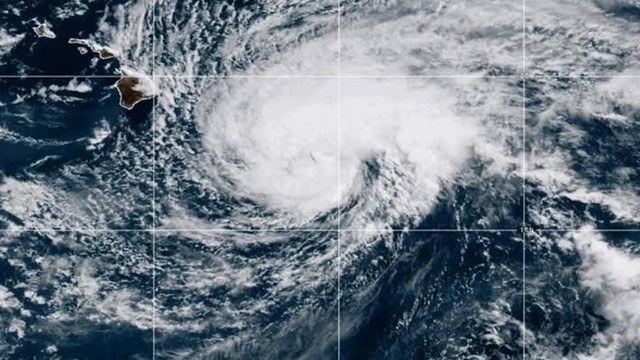
Hurricane Nolo lashed Hawaii with heavy rain and strong winds on Sunday after strengthening into a Category 2 hurricane, bringing flooding concerns to parts of the state while renewed volcanic activity at Kilauea heightened fears of multiple simultaneous natural disasters.
The storm dumped more than 300 millimeters (12 inches) of rain over Hawaii's Big Island, with maximum sustained winds reaching approximately 170 kilometers per hour (105 mph).
As of Sunday morning, the center of Hurricane Nolo was located about 320 kilometers (200 miles) south of the Big Island and was moving westward at roughly 15 kilometers per hour (9 mph).
Nolo had briefly weakened to a Category 1 hurricane on Saturday before regaining strength. Forecasters said the storm could intensify further, although its center is expected to remain south of the Hawaiian Islands.
Outer rainbands continued to affect parts of the Big Island and Maui on Sunday, with conditions expected to improve later in the day. A flood warning remained in effect for the Big Island through Sunday night.
Authorities warned that parts of Hawaii could still experience strong winds, torrential rainfall, and dangerous surf. However, tropical storm warnings issued for the islands were lifted as forecasters said the hurricane was expected to gradually weaken.
Meanwhile, Nolo is one of three active hurricanes currently churning across the Pacific Ocean. Hurricane Polo has intensified into a Category 3 major hurricane with maximum winds of about 190 kilometers per hour (120 mph), while Hurricane Odalis has weakened to a Category 1 hurricane.
It marks the first time since 2015 that three hurricanes have been active simultaneously in the Pacific. That year, Hurricanes Kilo, Ignacio, and Jimena were all active at the same time.
Compounding concerns, officials are also closely monitoring Kilauea Volcano on the Big Island after signs suggested another eruption could be imminent.
Hawaii County Mayor Kimo Alameda said the volcano could eject volcanic ash and small rock fragments known as tephra, describing the potential hazard as a form of "volcanic rock rain."
He warned that wind could carry tephra into surrounding communities, contaminating rainwater storage tanks and swimming pools, while deposits on roads could create dangerous driving conditions.
Emergency management officials said they are closely monitoring the volcano for signs of escalating activity while simultaneously responding to the impacts of Hurricane Nolo, raising concerns over multiple concurrent disasters.
Hawaii Governor Josh Green said the state could spend nearly $1 billion on disaster recovery in 2026 after experiencing four major natural disasters so far this year. Just six weeks earlier, Hurricane Lala struck Hawaii, and cleanup efforts from that storm are still ongoing.