১৯ আশ্বিন ১৪৩৩



Bangladesh Warns of Worsening Rohingya Crisis Amid Escalating Conflict in Myanmar
04 October 2026 18:10 PM
NEWS DESK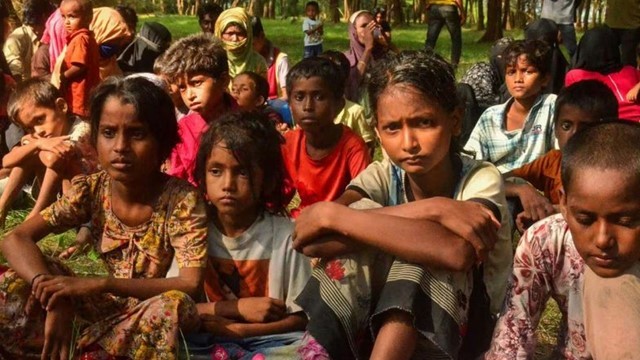
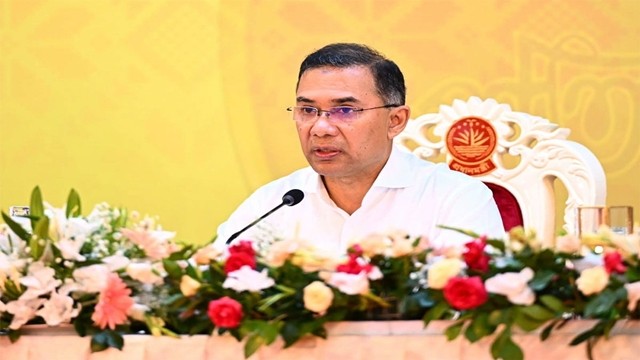
Home Affairs Adviser Salahuddin Ahmed has said the Rohingya crisis has become increasingly complex as the armed conflict between Myanmar's military junta and the Arakan Army continues to spill over into Bangladesh's border areas.
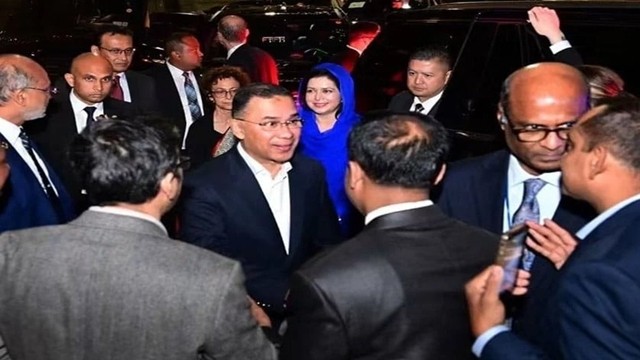
He made the remarks on Sunday during a meeting at the Ministry of Home Affairs in the Bangladesh Secretariat with Nicholas Koumjian, Head of the United Nations Human Rights Council's Independent Investigative Mechanism for Myanmar (IIMM).
The meeting was attended by Border Guard Bangladesh (BGB) Director General Major General Mohammad Ashrafuzzaman Siddiqui, Additional Secretary of the Political and Consular Wing of the Ministry of Home Affairs Dr. Ziauddin Ahmed, and other senior ministry officials.
The discussions focused on crimes against humanity committed in Myanmar, achieving a sustainable solution to the Rohingya crisis, strengthening border security, and the ongoing legal proceedings before international courts.
Ahmed said Bangladesh had provided shelter to more than one million Rohingya on humanitarian grounds, but the prolonged crisis and the deteriorating security situation in Myanmar have placed increasing pressure on the country. He noted that the ongoing fighting between the Myanmar military and the Arakan Army is having a direct impact on Bangladesh's border regions.
Expressing concern over declining international assistance, the adviser urged the global community and United Nations agencies to maintain strong financial and logistical support for the Rohingya population. Such support, he said, is essential to ensure their safe, dignified, and swift repatriation to Myanmar.
Nicholas Koumjian thanked the Government of Bangladesh for its continued cooperation. He said IIMM investigators had conducted field visits in Cox's Bazar and other locations, interviewing around 200 victims and witnesses. The evidence collected is being submitted to the International Criminal Court (ICC), the International Court of Justice (ICJ), and other international tribunals.
Koumjian added that the mechanism's investigations are not limited to the atrocities committed in 2017 but also cover recent violence and human rights abuses against civilians resulting from clashes between the Arakan Army and Myanmar's military.
During the meeting, the BGB Director General highlighted the growing threat posed by landmines planted on the Myanmar side of the border. He warned that heavy rainfall and flash floods have displaced some of the mines across the border into Bangladesh, endangering the lives of farmers and residents in nearby hill communities.
The BGB also briefed the meeting on measures taken to prevent illegal cross-border infiltration and provided an overview of the current security situation along the frontier.
The IIMM delegation expressed interest in engaging with BGB field commanders to collect information from victims who have recently crossed into Bangladesh. The Ministry of Home Affairs and the BGB welcomed the proposal and agreed to facilitate such cooperation.
Ahmed expressed hope that the upcoming ruling by the International Court of Justice would increase international pressure on Myanmar and contribute to the safe and sustainable return of displaced Rohingya to their homeland.