৫ অগ্রহায়ণ ১৪৩৩



Political Tensions Mount in Bangladesh as Hasina’s Possible Return and Ganges Water Treaty Deadline Loom
19 November 2026 18:11 PM
NEWS DESK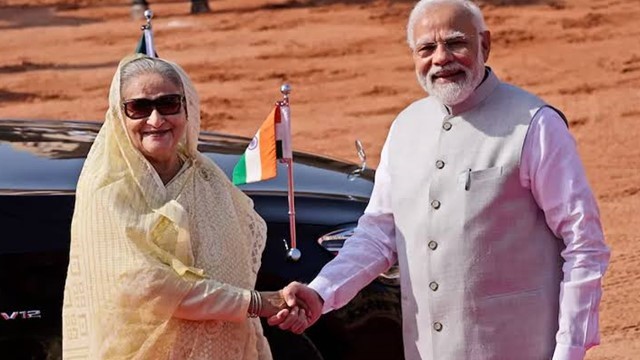
Political tensions are mounting across Bangladesh as street violence involving a banned political organisation, arson attacks on homes and clashes with police add to concerns over the country's stability. On Wednesday, both the government and opposition called for national unity to address potential unrest, pledging to prevent sabotage and violence at any cost.
DMeanwhile, former Prime Minister Sheikh Hasina's unilateral announcement that she plans to return to Bangladesh next month, alongside the approaching expiry of the Ganges Water Sharing Treaty, has emerged as a major challenge for both Dhaka and New Delhi.
The two developments could have significant implications for Bangladesh's political stability and its bilateral relations with India.
According to a report by Indian news agency IANS, the nine-month-old BNP government is facing mounting pressure on several fronts. Garment workers are staging demonstrations across the country demanding higher wages, while supporters of the Awami League are reportedly attempting to reorganise ahead of Hasina's possible return.
Hasina's Possible Return Adds to Political Uncertainty
Bangladesh's International Crimes Tribunal sentenced former Prime Minister Sheikh Hasina to death about a year ago over crimes against humanity linked to the crackdown on protesters during the July-August 2024 uprising. Hasina has denied the allegations.
Since being ousted from power in August 2024, Hasina has repeatedly expressed her intention to return to Bangladesh, despite the death sentence. She has said she is willing to face legal proceedings in the country. Other Awami League leaders have also indicated their readiness to surrender before the courts.
Dhaka, meanwhile, has repeatedly requested New Delhi to extradite Hasina under the bilateral extradition treaty. Bangladeshi officials have maintained a firm position on the issue, with the possibility of implementing the tribunal's verdict also featuring in discussions.
Although Hasina's ouster in August 2024 marked a major political transition, Bangladesh has yet to achieve lasting political stability. The interim government's tenure was also marked by repeated protests and political unrest.
Her announcement of a possible return in December has now added another layer of uncertainty to the country's political landscape. The issue is increasingly being viewed as a significant potential development rather than merely political speculation.
According to the IANS report, an Awami League leader said the party's future would largely depend on Hasina's return and the political circumstances that follow.
BNP leaders, however, have accused the Awami League of attempting to create instability ahead of Hasina's possible return. The government has also alleged that the banned political organisation is trying to disrupt public order.
Awami League supporters have rejected the allegations, maintaining that Hasina wants to return through legal and political processes. They have also denied claims that she is encouraging violence while living abroad.
Ganges Water Treaty Renewal: Uncertainty Grows as Deadline Approaches
Alongside domestic political tensions, the future of the Ganges Water Sharing Treaty has emerged as another major concern for Bangladesh and India.
With less than a month remaining before the agreement expires, uncertainty continues over when formal negotiations on its renewal will begin.
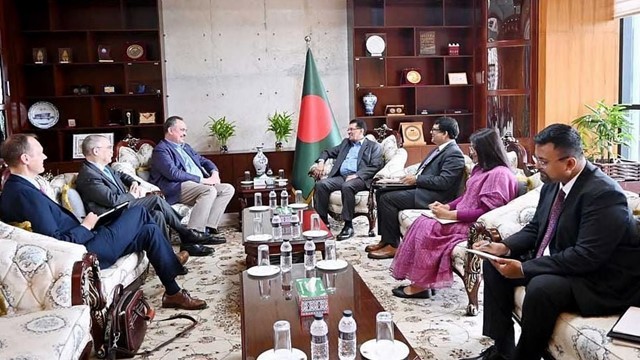
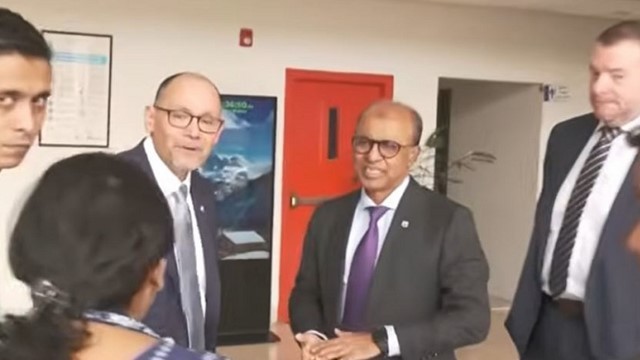
A report published in a Bangladeshi English-language newspaper on Wednesday quoted Indian High Commissioner Dinesh Trivedi as saying that a meeting between the prime ministers of the two countries could help resolve several bilateral issues.
Speaking to journalists on August 9, he said, "I think if the two leaders sit together, many problems can be resolved."
Humayun Kabir, Bangladesh's former ambassador to the United States, has also supported the idea of a meeting between the two prime ministers.
Speaking to the newspaper, Kabir said such a meeting could help the two sides reach an understanding on renewing the Ganges water-sharing agreement.
He suggested that the leaders could agree in principle to extend the treaty for another term. Alternatively, they could consider a short-term extension until a new agreement is finalised or extend the existing arrangement by one or two years to allow further review.
A BBC report published in August also indicated that New Delhi was interested in inviting Bangladesh's prime minister to India for discussions. The timing of the proposed meeting was described as particularly important.
However, despite repeated invitations from New Delhi, Dhaka has yet to formally respond.
An assessment published in August by the Institute of South Asian Studies at the National University of Singapore also highlighted the growing complexities in bilateral relations.
The institute noted that Bangladesh had been seeking Hasina's extradition from India for an extended period. It also warned that her announcement of a possible return could further destabilise Bangladesh's domestic politics and place additional pressure on relations between the two countries.
Garment Workers' Protests Add to Government's Challenges
Meanwhile, the BNP government is facing an immediate challenge from protests by garment workers demanding higher wages.
The ready-made garment sector contributes more than five per cent of Bangladesh's total export earnings, making industrial stability particularly important for the country's economy.
Any prolonged disruption in the sector could have serious economic consequences, given its importance to exports, employment and foreign currency earnings.
The government must therefore navigate workers' wage demands while containing political unrest and managing broader economic pressures.
Critical Weeks Ahead for Dhaka and New Delhi
India, too, faces diplomatic challenges over Hasina's possible return and the future of the Ganges Water Sharing Treaty.
The coming weeks could prove particularly important for relations between Dhaka and New Delhi, as both governments confront a combination of political, economic and diplomatic concerns.
The future of the bilateral relationship will depend in part on how the two sides handle the extradition issue, negotiate an extension or renewal of the water-sharing agreement, and maintain cooperation amid changing political circumstances.
With domestic political tensions rising in Bangladesh and the treaty deadline approaching, diplomatic engagement between the two neighbours is likely to remain a key factor in shaping their relationship.