৬ কার্তিক ১৪৩৩



Iran Appoints Mojtaba Khamenei as New Supreme Leader Amid Ongoing War
10 March 2026 03:03 AM
NEWS DESK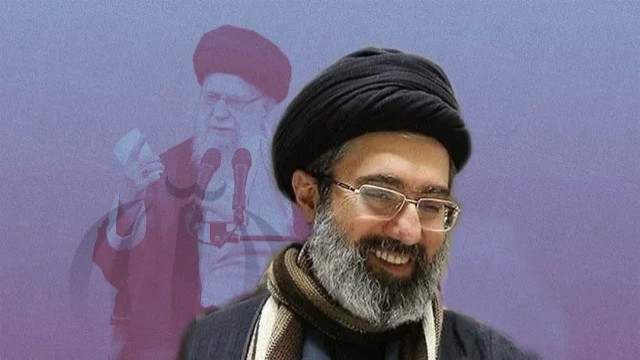
Iran’s religious leadership has appointed Mojtaba Khamenei, the son of former Supreme Leader Ayatollah Ali Khamenei, as his successor. According to regional officials, the decision was made in direct defiance of U.S. President Donald Trump, who had previously declared Mojtaba “unacceptable.”
Ayatollah Ali Khamenei was killed at the beginning of the conflict during a joint military offensive by the United States and Israel. The war has now entered its second week.
Iran’s Assembly of Experts has already selected Mojtaba Khamenei as the new Supreme Leader. The move effectively consolidates the power of hardliners in Tehran. Analysts say the decision could influence the course of the ongoing war with the United States and Israel and have consequences far beyond the Middle East.
Alex Vatanka, a senior fellow at the Middle East Institute, said the decision represents a continuation of Iran’s existing strategy.
“After carrying out such a massive military operation and taking such risks to eliminate an 86-year-old leader, seeing his equally hardline son replace him is a major embarrassment for the United States,” Vatanka said.
In Iran’s theocratic system, the Supreme Leader holds ultimate authority. The position oversees foreign policy, Iran’s nuclear program, and major state decisions, while also guiding the elected president and parliament.
Analysts describe Mojtaba Khamenei as a staunch conservative cleric. His wife, mother, and other family members were reportedly killed in U.S. and Israeli strikes. His appointment sends a clear message that Iran’s leadership is unwilling to compromise in order to preserve its system of rule. According to analysts, the leadership believes there is no alternative but to endure conflict, retaliation, and hardship.
Sources inside Iran say Mojtaba Khamenei is likely to face major pressure both domestically and internationally due to public dissatisfaction and the ongoing conflict. Nevertheless, he is expected to move quickly to consolidate power.
This could involve expanding the authority of Iran’s Islamic Revolutionary Guard Corps (IRGC), imposing tighter internal controls, and intensifying crackdowns on dissent.
A regional official with close ties to Tehran told Reuters that the world may end up missing the era of Mojtaba’s father.
“Mojtaba will have little choice but to be tougher,” the official said. “Even if the war ends, internal repression is likely to remain strict.”
Iran has already been experiencing significant internal unrest for months—described as the bloodiest period since the 1979 Islamic Revolution. The instability, which began before the war, had already weakened the Islamic Republic.
The country has struggled with a collapsing economy, soaring inflation, currency depreciation, and rising poverty. At the same time, strict government crackdowns have intensified public anger. Analysts believe the pressures could worsen during the ongoing conflict.
According to an internal Iranian source, the country may face even greater hardship under Mojtaba Khamenei, including stronger domestic control and a more aggressive foreign policy.
Paul Salem, another senior fellow at the Middle East Institute, believes Mojtaba is unlikely to pursue diplomatic compromise with the United States.
“A leader coming to power under these circumstances will not choose the path of negotiation,” Salem said.
Iran’s clerical leadership often refers to the United States as the “Great Satan.” Following his death, Ayatollah Ali Khamenei has been portrayed as a martyr by religious leaders, who have compared him to Imam Hussein—a powerful symbol of sacrifice and resistance in Shia Islam.
Alan Eyre, a former U.S. diplomat and Iran expert, said Mojtaba is even more hardline than his father and is favored by members of the Revolutionary Guard.
However, the situation carries significant risks. Israel has already warned that any successor to Ayatollah Khamenei could also become a target. President Donald Trump has stated that the war would only end when Iran’s military leadership and ruling elite are eliminated.
Mojtaba Khamenei, a 56-year-old influential cleric, has long opposed Iran’s reformist factions, which support improving relations with the West. His close ties with senior clerics and the IRGC have allowed him to build substantial influence within Iran’s political and security institutions.
Analysts say Mojtaba had already become a key figure within Iran’s security establishment and business networks during his father’s rule, effectively acting as a “junior Supreme Leader.”
He has now assumed leadership at a time when U.S. and Israeli operations against Iran are intensifying. Strikes have targeted Iran’s energy reserves and other strategic sites, while Iranian missiles and drones have been used in retaliatory attacks across the Gulf region, expanding the conflict further.
Mojtaba studied under conservative clerics in the seminary city of Qom and holds the religious rank of Hojjat al-Islam.
The U.S. Treasury Department imposed sanctions on Mojtaba Khamenei in 2019, accusing him of representing the Supreme Leader’s office despite holding no official government position.
Sources familiar with Gulf governments say his appointment sends a clear message to Washington and Trump: Iran will not back down and is prepared to continue fighting to the end.
Paul Salem compared Iran’s current situation to Iraq under Saddam Hussein in 1991 and Syria under Bashar al-Assad in 2012. In both cases, governments survived years of war but gradually lost control.
“They are moving toward greater hardline policies,” Salem said. “The internal situation in Iran is extremely unstable and dangerous.”