১২ কার্তিক ১৪৩৩


Brazil Rejects U.S. Officials’ Visa Applications Amid Rising Diplomatic Tensions Ahead of Election
28 July 2026 07:07 AM
NEWS DESK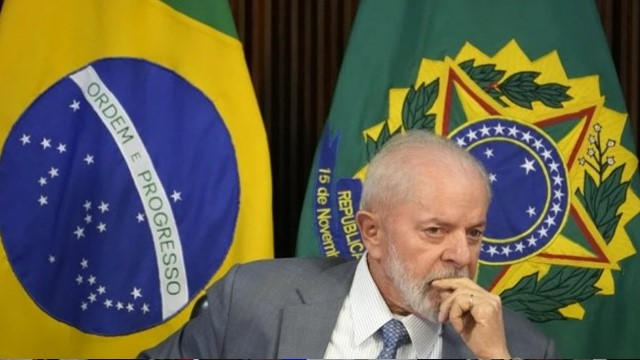
Brazil has rejected visa applications from two U.S. State Department officials amid growing diplomatic tensions between the two countries ahead of Brazil’s upcoming presidential election.
The Brazilian Foreign Ministry confirmed the decision on Saturday. According to The Washington Post, Brazilian authorities were concerned that the two U.S. officials could potentially fuel doubts and controversy surrounding the presidential election scheduled for October.
A Foreign Ministry spokesperson said U.S. Assistant Secretary of State Riley M. Burns and Deputy Assistant Secretary of State Samuel Samson submitted their visa applications on July 20. The applications were rejected four days later, on July 24. The ministry did not provide an official explanation for the decision.
Burns and Samson had planned to visit Brasília from July 27 to 30 for meetings with government officials, religious leaders, and representatives of various sectors. The discussions were expected to focus on election transparency, religious freedom, and freedom of expression.
The U.S. State Department told the Associated Press that the planned visit was a routine diplomatic engagement and denied any intention of interfering in Brazil’s democratic process. The department said allegations that Washington was seeking to influence Brazil’s election were unfounded.
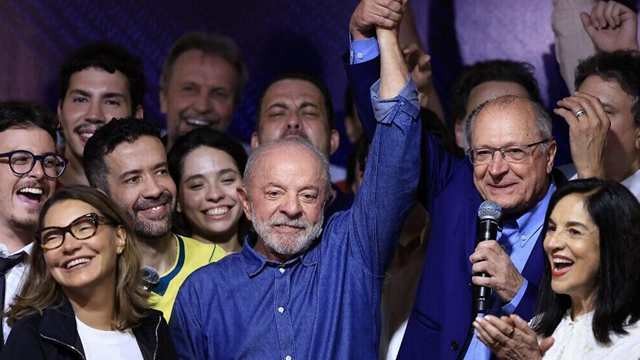
The visa dispute comes amid broader tensions between Washington and Brasília. In October’s presidential election, incumbent President Luiz Inácio Lula da Silva is expected to face Senator Flávio Bolsonaro, who is known to have close ties with U.S. President Donald Trump’s administration.
In late May, Flávio Bolsonaro and his brother Eduardo Bolsonaro visited Washington, where they met with Trump and senior U.S. officials. Shortly afterward, the United States designated two major Brazilian drug trafficking organizations—the First Capital Command (PCC) and the Red Command—as foreign terrorist organizations. President Lula opposed the move at the time.
Adding to tensions, the Trump administration recently imposed additional tariffs of up to 37.5% on Brazilian exports. Washington accused Brazil of maintaining trade policies that restrict fair competition for foreign businesses and failing to take adequate measures to prevent labor rights violations.
The Lula administration has rejected those accusations, arguing that U.S. actions are politically motivated and aimed at influencing Brazil’s election in favor of Flávio Bolsonaro.
Meanwhile, former Brazilian President Jair Bolsonaro has repeatedly questioned the reliability of Brazil’s electronic voting system, although he has not provided evidence supporting his claims. Bolsonaro is currently serving a 27-year prison sentence under house arrest in connection with a coup attempt case.
His son, Senator Flávio Bolsonaro, has recently repeated similar allegations about the voting system. Although the Liberal Party formally announced him as its presidential candidate in São Paulo on Saturday, he did not comment on the visa controversy.