২৮ ভাদ্র ১৪৩৩



Mosque Plan Sparks Debate in Japan's Coastal City
29 July 2026 20:07 PM
NEWS DESK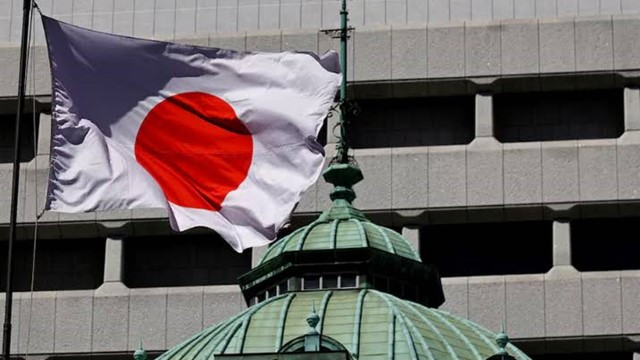
Plans to build the first mosque in the coastal Japanese city of Fujisawa have triggered intense public debate, with residents divided over concerns about community change, cultural identity, and religious coexistence.
The proposed mosque, located about an hour's drive from Tokyo, has prompted protests and strong public reaction. Earlier this year, thousands gathered near the city's railway station to oppose the project, arguing that the planned mosque would be significantly larger than a nearby Shinto shrine and out of character with the area's traditional landscape.
Local resident Noriko Izumizawa said she was concerned about how the development could affect the future of the community, adding that ongoing immigration debates in Europe and the United States had heightened her worries.
Meanwhile, Sri Lankan businessman Mohammed Mahideen, who has lived in Osaka for nearly four decades, told the BBC that anti-Muslim sentiment has increased in recent years. He said Muslims frequently face hostile comments on social media, with some even confronting worshippers at mosques.
According to Mahideen, members of the Muslim community are sometimes labeled as "terrorists" or falsely accused of making explosives. "It feels like people have started to fear us," he said.
Experts say the growing debate reflects Japan's changing demographics. The country's population declined by nearly one million in 2025, while the number of foreign residents surpassed four million for the first time. Government data also show a record 2.57 million foreign nationals are currently employed in Japan.
According to Hirofumi Tanada, Professor Emeritus at Waseda University, Japan's Muslim population has grown from around 230,000 in 2019 to approximately 420,000 by the end of 2024.
Despite Japan's increasing reliance on foreign workers, Prime Minister Sanae Takaichi has maintained a cautious stance on large-scale immigration. In June, her government announced a fivefold increase in visa fees for foreign nationals—the first such rise in nearly five decades—and plans to recruit around 230 additional immigration enforcement personnel.
Mahideen acknowledged that the Muslim community also has a responsibility to better integrate into Japanese society. He said greater dialogue and stronger engagement with local communities are essential to building mutual understanding.
Echoing that view, Shakeel Mohammed, a Pakistani representative of Yashio Mosque in Saitama Prefecture, stressed that Muslims living in Japan should strictly follow local laws and social norms, from proper waste disposal to parking regulations, to foster trust and peaceful coexistence.