১০ কার্তিক ১৪৩৩



Bangladesh, China Seek Deeper Cooperation in Infrastructure, Technology and Connectivity
04 August 2026 06:08 AM
NEWS DESK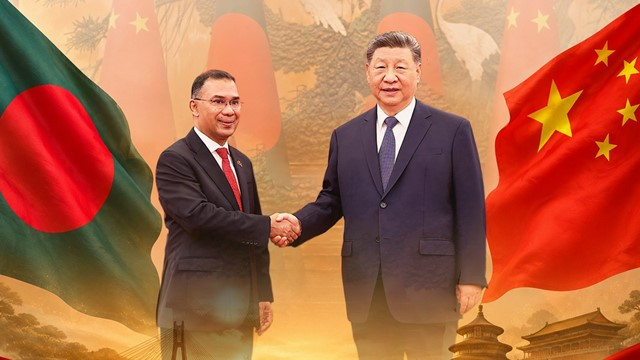
Bangladesh and China have called for stronger cooperation in infrastructure, aviation, digital networks, technology, and knowledge exchange to promote economic growth and regional connectivity.
Speaking at the opening session of the four-day Comparative Governance Forum-2026 in Dhaka on Monday, Prime Minister’s Foreign Affairs Adviser Humayun Kabir said investment in transport infrastructure, aviation, and digital networks is crucial for strengthening economic development and regional links.
The forum was jointly organized by the Bangladesh Institute of International and Strategic Studies (BIISS) and the School of International Relations and Public Affairs (SIRPA) of Fudan University, China.
Humayun Kabir said Bangladesh’s strategic geographical location creates significant opportunities to expand cooperation in trade, tourism, investment, and cultural exchange. He welcomed broader collaboration with China and other international partners in sustainable infrastructure, aviation, tourism, and innovation for the benefit of the people.
He said future prosperity would depend not only on economic growth but also on institutional capacity, social resilience, and the quality of international cooperation. He emphasized that countries of the Global South are playing an increasingly important role in shaping global governance and sustainable development.
Highlighting the importance of comparative governance, the adviser said Bangladesh has much to learn from China's development experience over the past four decades while also sharing its own experiences in governance and public policy. He stressed that comparative governance does not mean copying another country's model but adapting successful practices according to national priorities and realities.
Chinese Ambassador to Bangladesh Yao Wen said China's development journey offers valuable lessons, noting the country's progress in poverty reduction, electric vehicles, renewable energy, advanced manufacturing, and scientific research.
He said Bangladesh-China relations could open new opportunities in the next 50 years in areas including economy, trade, technology, infrastructure, and connectivity.
Humayun Kabir said cooperation in duty-free market access, manufacturing, global supply chain restructuring, and technology-based industries could help create jobs and diversify Bangladesh’s exports.
Referring to the recent meeting between Prime Minister Tarique Rahman and Chinese President Xi Jinping, he expressed optimism that the engagement would further strengthen bilateral ties. He said Bangladesh-China relations have evolved into a comprehensive strategic cooperative partnership.
The adviser also stressed the need for stronger democratic institutions, modernization of public administration, and faster digital transformation to improve governance and public services.
Calling education, research, and innovation strategic assets for the future, he described the memorandum of understanding signed between BIISS and Fudan University as an important milestone for long-term academic and policy cooperation.
On climate change, Humayun Kabir said Bangladesh has gained international recognition for disaster risk reduction and climate resilience efforts, but vulnerable developing countries need greater climate financing, technology transfer, and international support.