১০ কার্তিক ১৪৩৩



Bangladesh Says Position on Mecca Defense Pact Depends on Member States
28 August 2026 03:08 AM
NEWS DESK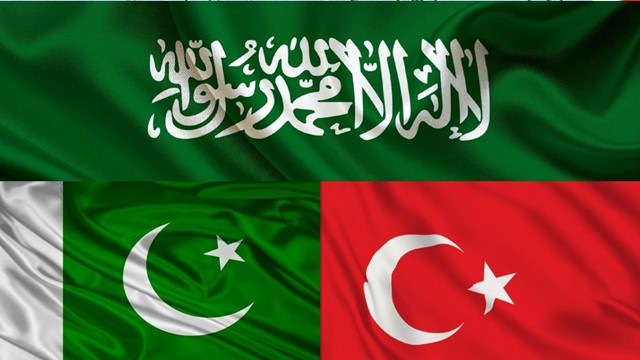
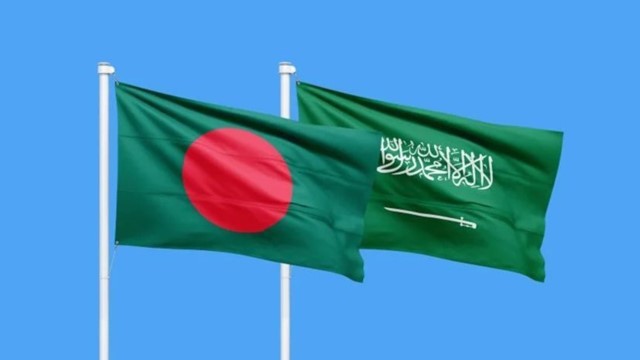
Bangladesh's Foreign Minister Dr. Khalilur Rahman has described the proposed Mecca Defense Pact as an initiative aimed at safeguarding the global Muslim community, saying Bangladesh views the agreement positively. However, he stressed that the country's participation would depend on the wishes of the pact's member states.
The minister made the remarks on Thursday while responding to a question during a session of the National Parliament, chaired by Speaker Bir Bikram Major (Retd.) Hafiz Uddin Ahmed.
During the session, Rumin Farhana, a lawmaker from the Brahmanbaria-2 constituency, asked how Bangladesh would benefit if it joined the much-discussed defense agreement.
In response, Dr. Rahman said Bangladesh considers the pact to be a positive development, describing it as an effort to ensure the collective security of the Muslim world.
"Our participation in the agreement will depend on the intentions and decisions of the member countries," he said.
The Mecca Defense Pact was signed on August 7 by Saudi Crown Prince Mohammed bin Salman, Turkish President Recep Tayyip Erdoğan, and Pakistani Prime Minister Shehbaz Sharif following nearly a year of negotiations.
The agreement seeks to strengthen mutual security cooperation amid growing tensions in the Middle East. Under the pact, an attack on any one of the three signatory countries would be treated as an attack on all members, committing them to collective defense.
The signing ceremony took place in the holy city of Mecca, giving the agreement both strategic and symbolic significance.
International relations analysts believe the agreement did not emerge suddenly but is the result of evolving regional security dynamics following the 2023 Gaza-Israel war. They also point to the bilateral defense agreement signed between Saudi Arabia and Pakistan in September 2025 as an important precursor to the broader trilateral pact.
The new alliance has attracted significant attention across the Muslim world, with discussions focusing on its potential impact on regional security and geopolitical alignments.
In recent days, reports have suggested that Bangladesh has expressed interest in joining the defense arrangement. However, the prospect of membership has generated mixed reactions among policymakers and analysts.
Supporters argue that participation could strengthen Bangladesh's defense cooperation with key Muslim-majority nations while opening new avenues for economic and strategic collaboration.
Others caution that joining a formal defense alliance could complicate Bangladesh's long-standing foreign policy of maintaining balanced relations with major regional and global powers.
Bangladesh's cautious response reflects an effort to balance strategic opportunities with diplomatic realities. By emphasizing that membership depends on the existing signatories, the government has avoided making a firm commitment while signaling openness to future discussions.
For Dhaka, any decision to join such a defense arrangement would carry implications beyond military cooperation. It could influence Bangladesh's relations with neighboring countries, major international partners, and regional organizations.
According to international relations analyst Professor Shahab Enam Khan, Bangladesh could benefit from enhanced security cooperation and economic opportunities if it joins the alliance. However, he also warned that membership could contribute to heightened geopolitical tensions in South Asia.
As discussions continue, Bangladesh is expected to carefully assess the diplomatic, security, and economic consequences before making any decision regarding participation in the proposed Mecca Defense Pact.