৮ অগ্রহায়ণ ১৪৩৩



High Court Directs Formation of Expert Committee to Frame Social Media Policy for Children Aged 16 and Below
22 November 2026 17:11 PM
NEWS DESK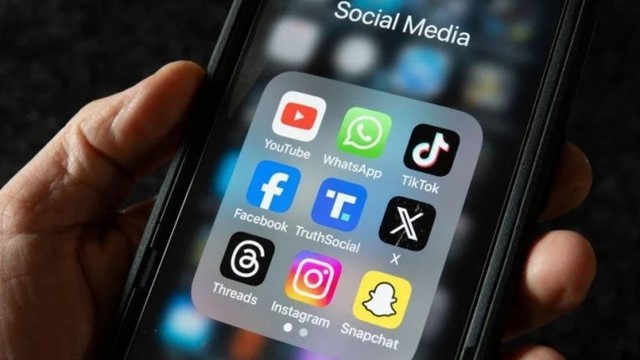
The High Court has directed the government to formulate a policy regulating social media use by children aged 16 and below in Bangladesh.
The court also ordered the formation of an independent expert committee comprising cybersecurity specialists, child psychologists, paediatricians and legal experts to assess the impact of social media on children and recommend an effective policy.
A High Court bench comprising Justice Shikdar Mahmudur Razi and Justice Fatema Anwar issued the directives on Sunday after holding an initial hearing on a public interest litigation (PIL) petition. The court also issued a rule in this regard.
The court directed the secretaries of the Ministries of Posts and Telecommunications, Women and Children Affairs, Health and Law, along with the chairman of the Bangladesh Telecommunication Regulatory Commission (BTRC), to take initiatives to formulate the policy.
In its rule, the court asked why the failure of the relevant government authorities to formulate a policy regulating social media use by children aged 16 and below should not be declared illegal.
It also sought explanations as to why the authorities should not be directed to form an expert committee to assess the impact of social media on children and develop an effective policy.
The concerned respondents have been asked to respond to the rule within four weeks.
Supreme Court lawyer Barrister Mohammad Faisal Dastagir filed the writ petition.
Speaking about the petition, the lawyer said that in the absence of a specific policy, children in Bangladesh were using social media without adequate restrictions. As a result, many were experiencing loneliness, depression and other adverse effects, which could hinder their normal psychological development.
The petition cited a study conducted by the International Centre for Diarrhoeal Disease Research, Bangladesh (icddr,b), which found that 83.3 per cent of school-going children in Dhaka spend more than two hours a day in front of digital screens.
Of the 420 children who participated in the study, 350 spent more than two hours daily using smartphones, televisions, tablets, computers and gaming devices.
The research was conducted between July 2022 and June 2024 among children aged six to 14 at six educational institutions in the capital, including three Bangla-medium and three English-medium schools. Its findings were published in the international journal JMIR Human Factors on May 4, 2026.
The study found that children spent an average of 4.6 hours a day in front of screens. Those who used screens for more than two hours daily had an average screen time of nearly five hours.
The research also found that 35.7 per cent of the children had eye-related problems. Of the 150 children reporting such problems, 144 spent more than two hours a day using digital screens.
Headaches were another common concern, with 80 per cent of the children reporting frequent headaches. Among the 336 children experiencing headaches, 279 used digital devices for more than two hours daily.
Children with excessive screen exposure also had shorter and poorer-quality sleep. They slept an average of 7.3 hours a night, with researchers identifying an association between prolonged screen use, insufficient sleep and poor sleep quality.
The study also raised concerns about children's mental health. An assessment found symptoms of at least one mental health problem in 31 per cent of the participating children, while 9.8 per cent showed signs of multiple problems.
Behavioural difficulties were identified in 28.3 per cent of the children, while 28.8 per cent experienced problems in relationships with their peers. These difficulties were more common among children with higher screen exposure.
Additionally, around 14 per cent of the children were found to be overweight or obese, with a comparatively higher prevalence among those who spent excessive time in front of screens.
According to the researchers, prolonged screen exposure, reduced physical activity and inadequate sleep are associated with children's physical and mental well-being. However, as the study was observational, the findings establish associations rather than proving that excessive screen use directly causes these health problems.
The researchers stressed that completely preventing children from using technology is not the solution. Instead, they recommended ensuring safe, positive and controlled use of digital devices according to children's ages and needs.
They also emphasised raising awareness among parents and educational institutions, ensuring adequate sleep, providing opportunities for physical activities and recreation, and strengthening online safety measures.
The writ petition was filed with the aim of protecting children from the potential harmful effects of social media and ensuring their normal physical and psychological development, as well as their safety in the digital environment.