৪ অগ্রহায়ণ ১৪৩৩



Japan Moves to Lift 76-Year Ban on Fresh US Potatoes Amid Trade Tensions
18 November 2026 18:11 PM
NEWS DESK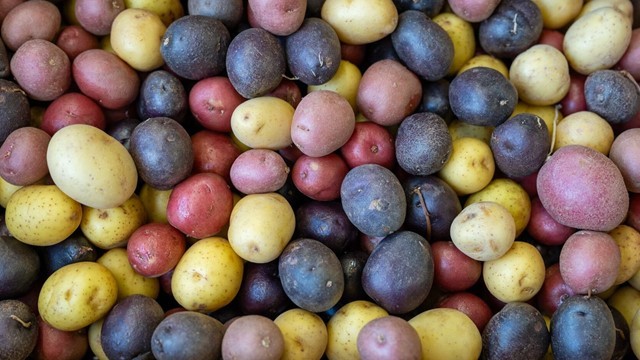
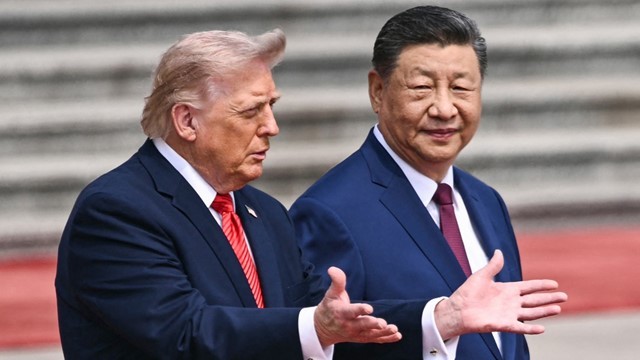
Japan is moving towards lifting its 76-year ban on imports of fresh potatoes from the United States amid pressure from US President Donald Trump, reigniting a decades-long trade dispute between the two countries.
However, the proposed move has raised concerns among Japanese farmers, who fear that lifting the ban could hurt domestic potato production and expose the country's agricultural land to harmful pests and plant diseases.
Potatoes, along with rice, are an important food crop in Japan. The country relies on imports to meet more than 60 percent of its total food demand, prompting Tokyo to maintain strict policies to protect domestic agricultural production.
Japan has banned imports of fresh US potatoes since 1950. In 2006, however, it partially eased the restriction, allowing limited imports from the United States exclusively for potato chip production. Under the arrangement, the potatoes must be transported in sealed containers and processed at high temperatures.
If the proposed change takes effect, US fresh potatoes could be sold in Japanese supermarkets and restaurants for the first time.
Around 80 percent of Japan's potatoes are grown in Hokkaido, the country's northernmost main island. Local farmers fear that imported potatoes could introduce dangerous pests and pathogens, potentially causing severe damage to domestic production.
One of their major concerns is the potato cyst nematode, a parasitic worm that can survive in soil for more than 15 years and hinder potato growth, posing a long-term threat to agricultural productivity.
Japan's newly appointed Agriculture Minister Arata Takebe has said that any decision to lift the ban should be made only after a thorough assessment of the relevant scientific and technical issues. He also stressed that the move would not be implemented without an agreement acceptable to both sides.
Meanwhile, US potato growers are strongly backing the proposed removal of the restrictions. They argue that access to Japan's large market could generate an additional $150 million in annual potato exports.
They also say Japanese consumers could benefit from lower potato prices if American produce enters the market.
However, farmers in Hokkaido remain concerned that once harmful pests or pathogens enter agricultural land, potato production could be disrupted for many years. They are therefore urging the government to maintain the import ban to protect the country's agricultural industry.