১০ কার্তিক ১৪৩৩


Trump Administration Revokes More Than 175,000 Visas, State Department Says
12 August 2026 07:08 AM
NEWS DESK
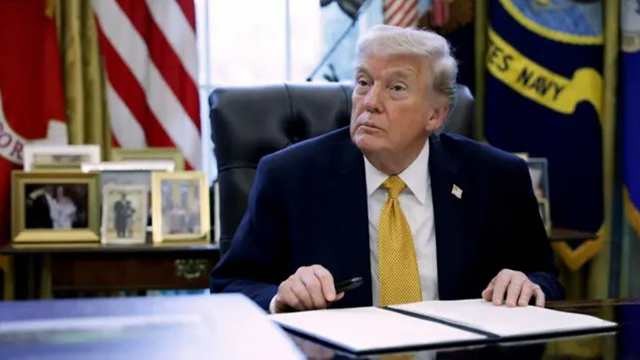
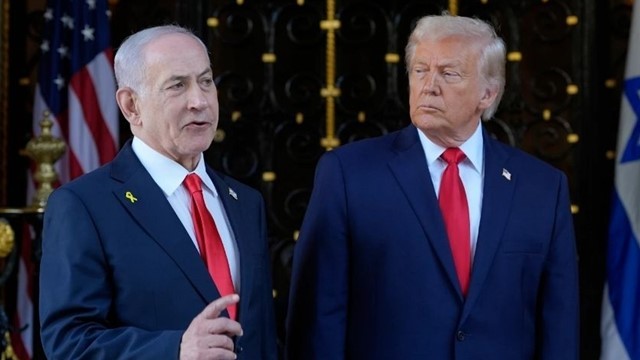
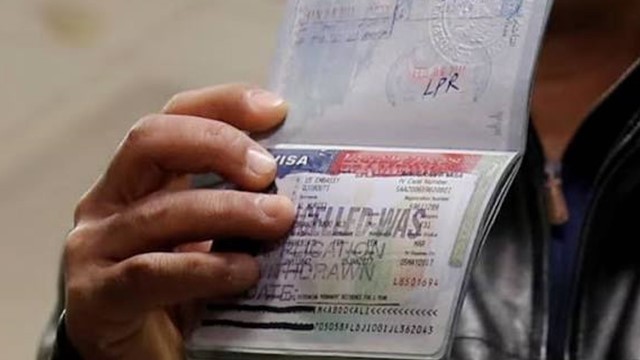
The administration of U.S. President Donald Trump has revoked more than 175,000 visas held by foreign nationals since returning to office, according to the U.S. State Department.
The announcement, made on Monday, underscores the administration's intensified immigration enforcement policies, which have led to the cancellation of visas and immigration benefits on a broad scale. The measures have also affected many foreign nationals who previously had legal authorization to travel to or remain in the United States.
In a statement, the State Department said visas were revoked for foreign nationals who violated visa conditions, committed crimes, encouraged violence against Americans, defrauded U.S. citizens, abused the immigration system, or posed threats to national security.
According to the department, the largest number of visa cancellations involved individuals who became entangled in law enforcement cases. The most common offenses cited included assault, driving under the influence (DUI), theft, and drug-related crimes.
The department also highlighted several specific cases, including individuals accused of rape and sexual assault, kidnapping and human trafficking, and possessing multiple counts of child sexual abuse material. Officials said visas belonging to foreign nationals linked to such crimes had been revoked.
The State Department further disclosed that a U.S. embassy in North Africa revoked visas for more than 100 foreign nationals, including parents who allegedly traveled to the United States primarily to give birth so their children could obtain U.S. citizenship.
The practice, commonly referred to as "birth tourism," involves foreign parents traveling to the United States with the intention of securing citizenship for their children through birth on U.S. soil. The department said action had also been taken against individuals found to have traveled for that purpose.
Among those whose visas were revoked were several foreign nationals who, according to the State Department, celebrated the killing of conservative political activist Charlie Kirk. Officials cited one individual who posted on social media that Kirk "died too late."
The administration said such statements were viewed as supporting or glorifying violence, leading to the revocation of the individuals' visas.
The latest figure reflects the growing scope of the Trump administration's immigration crackdown. In January, the State Department reported that more than 100,000 visas had already been revoked, describing it at the time as a record number. Within a few months, that figure has now exceeded 175,000.
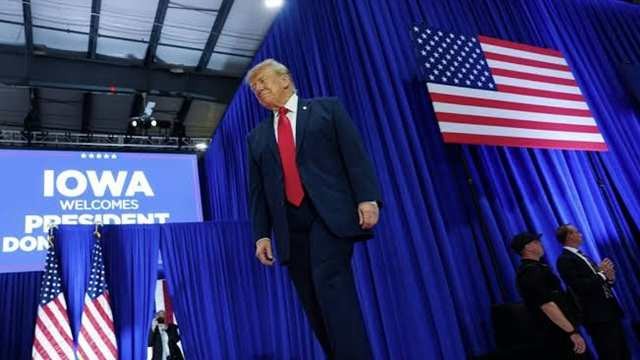
Since President Trump returned to the White House for a second term, his administration has launched an extensive campaign to tighten immigration enforcement. As part of that effort, large numbers of migrants have been deported from the United States, including some individuals who reportedly held valid visas.
Beyond revoking existing visas, the administration has also adopted stricter standards for issuing new ones. Visa applicants are now subject to expanded reviews of their social media activity, while security screening and background checks have been significantly strengthened.
The administration argues that these measures are necessary to prevent criminals, fraudsters, and individuals who could pose potential national security threats from entering the United States.
However, the policies have drawn criticism from human rights advocates and civil liberties experts.
Organizations working on immigration and human rights have strongly criticized the administration's expanded scrutiny of applicants' social media activity. Critics argue that heightened monitoring of political opinions, online posts, and digital activity could undermine freedom of expression.
Some immigration rights advocates have described the policy as a form of surveillance that disproportionately targets foreign nationals. They warn that decisions based on isolated social media posts or comments could negatively affect due process and freedom of speech.
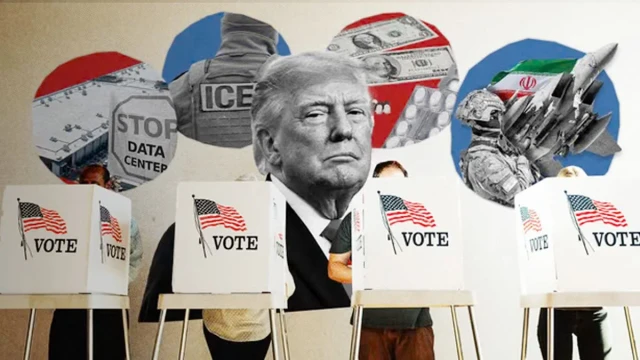
The Trump administration's latest measures mark a significant shift in U.S. immigration policy, combining tighter border controls, increased deportations, stricter visa vetting, and closer monitoring of foreigners' online activity.
While the administration maintains that the measures are essential for protecting national and public security, critics contend that the tougher policies risk subjecting legitimate travelers and immigrants to unnecessary scrutiny, discrimination, and hardship.
The revocation of more than 175,000 visas has become one of the clearest indicators of the administration's hardline immigration approach, while also fueling renewed debate over the balance between national security, civil liberties, and freedom of expression in the United States.