[email protected]
রবিবার, ২৫ অক্টোবর ২০২৬
১০ কার্তিক ১৪৩৩
১০ কার্তিক ১৪৩৩

Sunday, 25th October 2026


How America’s Scrapped Cars Become a Lifeline for Central American Families
23 August 2026 11:08 AM
NEWS DESK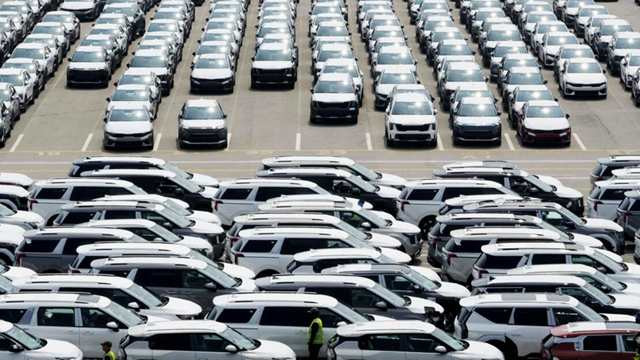
Cars written off as scrap in the United States after road accidents or years of use are often little more than junk metal to Americans. But for an enterprising group of people in Central America, those unwanted vehicles have become a source of employment and livelihood.
A report published by The New York Times has highlighted the unusual cross-border economy built around buying damaged and discarded vehicles in the United States and transporting them thousands of miles to Central America.
Many people from Guatemala, Honduras and El Salvador travel to the United States not to settle permanently, but to buy unwanted vehicles at low prices from American junkyards and car auctions. Known as “transmigrantes,” they purchase vehicles from Texas and other parts of the US, repair them and then drive them south or tow them behind another vehicle in a practice known as “twinning.”
The vehicles are transported through designated transit routes in Mexico before reaching Central American countries.
From Scrap to Essential Transport
Vehicles considered uneconomical to repair in the United States can have strong demand in Central America, largely because new cars are unaffordable for many ordinary people and public transportation systems are often inadequate.
Once repaired, the imported vehicles become an important part of everyday transportation. They are used as private cars, taxis, commercial pickup trucks and even local buses.
The trade has also created a large informal economy across Central America involving automobile repair shops, spare-parts dealers and cross-border transport services.
A Difficult and Risky Journey
The journey is far from easy.
Drivers have to travel thousands of miles along difficult routes while complying with Mexican customs requirements and transit regulations and paying the required fees.
They also face risks including road accidents, robbery and legal complications during the long journey.
Despite these challenges, hundreds of vehicles cross the border through these routes every day.
The cross-border trade offers an unusual example of how discarded goods from a wealthy country can acquire a second life elsewhere—helping keep transportation systems running while providing livelihoods for thousands of families across Central America.
What is considered waste in one country has, in this case, become an important economic resource in several others.
Advertisement