[email protected]
রবিবার, ২৫ অক্টোবর ২০২৬
১০ কার্তিক ১৪৩৩
১০ কার্তিক ১৪৩৩

Sunday, 25th October 2026


Trump Faces a Political Tightrope as Iran War Threatens Republican Majority
08 September 2026 06:09 AM
NEWS DESK
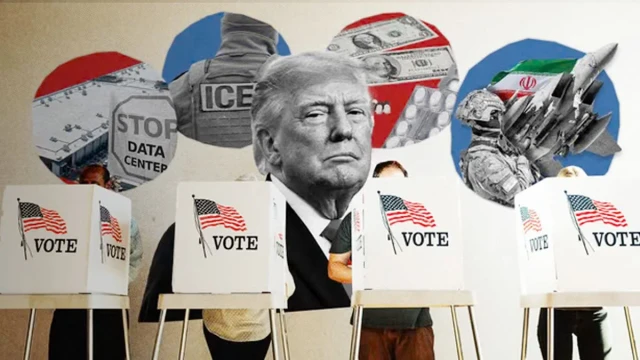
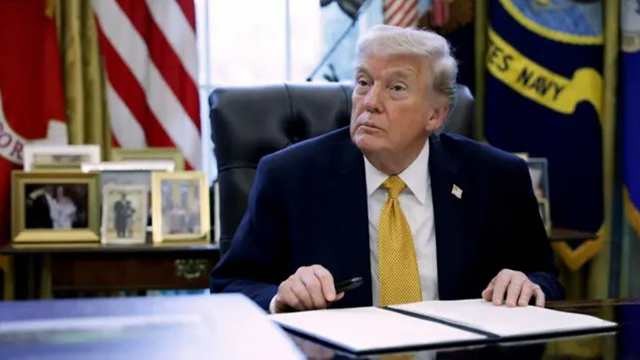
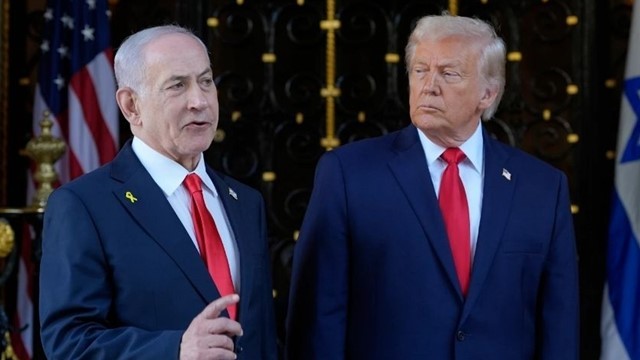
The escalating conflict between the United States and Iran has placed President Donald Trump in a delicate political position as the country heads toward the November 3 congressional midterm elections.
Trump’s top advisers are reportedly keen to prevent the conflict from developing into a broader or full-scale war before Americans go to the polls. Republicans currently hold only a narrow advantage in Congress, and a significant escalation could put that fragile majority at risk.
Rather than immediately expanding direct missile strikes or large-scale military operations, the Trump administration has increasingly relied on economic pressure to constrain Tehran. Washington has imposed tougher sanctions aimed at restricting Iran’s ability to generate revenue from oil exports and has tightened controls around shipping routes near the Strait of Hormuz.
Yet the strategy has failed to completely prevent bloodshed.
A recent U.S. strike in southern Iran reportedly killed four civilians, including children, at a wedding ceremony. Vice President JD Vance has sought to play down the broader implications of the incident, arguing that the situation remains largely under U.S. control.
The conflict is also becoming increasingly unpopular among ordinary Americans.
The surge in global energy prices has pushed U.S. diesel prices to record levels, increasing transportation costs and contributing to higher prices for food and other everyday goods. The economic pressure is particularly damaging for Trump, who returned to office promising to lower the cost of living and avoid prolonged foreign wars.
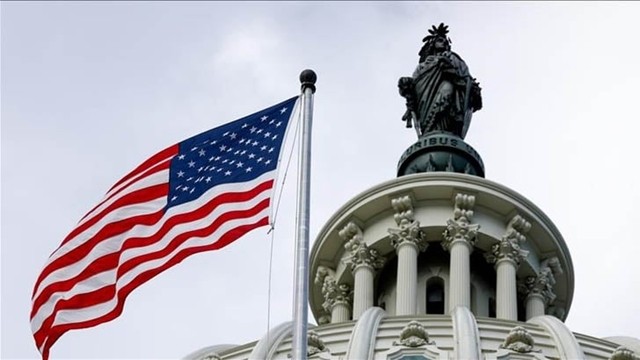
Recent polling suggests that roughly 63 percent of Americans oppose the war, while Trump’s approval ratings have weakened. Democrats are seeking to turn both the conflict and the resulting inflation into central issues of their midterm campaign.
For Republicans, the political stakes are therefore enormous.
If the war intensifies before November, voters could increasingly associate the administration with rising fuel prices, inflation and another costly overseas conflict. That could be enough to erode the Republican Party’s already narrow congressional majority.
Iran Holds a Key Advantage
But Washington’s ability to keep the conflict under control may not depend entirely on the White House.
Iran also has strong incentives to shape the timing and intensity of the confrontation.
Tehran may calculate that Trump would prefer to avoid a major escalation until after the midterm elections. From Iran’s perspective, increasing pressure before November could therefore create political problems for the president.
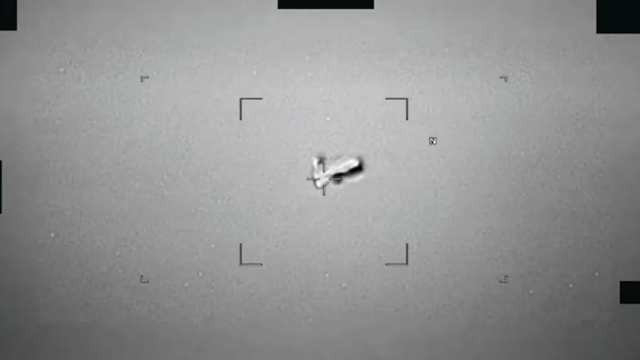
Iran could potentially rely on relatively inexpensive drones, attacks on shipping or other asymmetric tactics to disrupt energy supplies and push oil prices higher. A sustained increase in fuel prices could become particularly damaging for Trump as voters head to the polls.
That creates a dangerous strategic dilemma: the closer the election gets, the greater the incentive for both sides to influence the political and economic environment surrounding it.
The outcome of the November 3 elections could have major implications for the future of the conflict.
A Republican victory could be interpreted by the administration as evidence that voters have accepted its approach to Iran, potentially giving Trump greater political room to pursue a more aggressive military strategy.
A Democratic victory, by contrast, could give congressional opponents greater leverage over war funding and place new restrictions on the administration’s ability to sustain or expand military operations.
But an electoral defeat could create another risk.
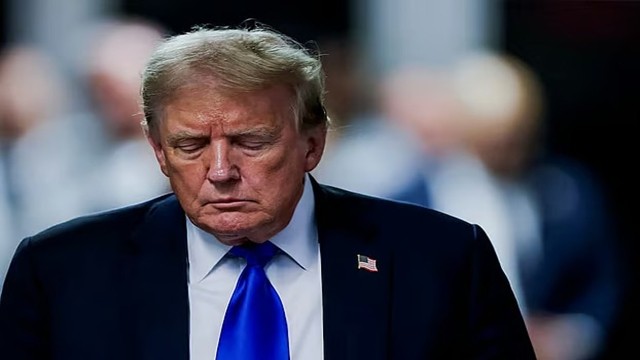
If Trump emerges from the midterms politically weakened or increasingly isolated, analysts warn that the pressure could push the administration toward more unpredictable decisions rather than restraint.
For now, the White House faces a difficult balancing act: prevent the Iran conflict from becoming a full-scale war, contain the economic fallout from higher energy prices, and protect the Republican congressional majority—all while trying to prevent Tehran from dictating the pace of escalation.
With the November vote approaching, the battlefield in the Middle East and the political battlefield in Washington are becoming increasingly intertwined.
Advertisement