৫ অগ্রহায়ণ ১৪৩৩



Trump Opposes Global Regulations on AI Ahead of Meeting with China's Xi Jinping
19 November 2026 18:11 PM
NEWS DESK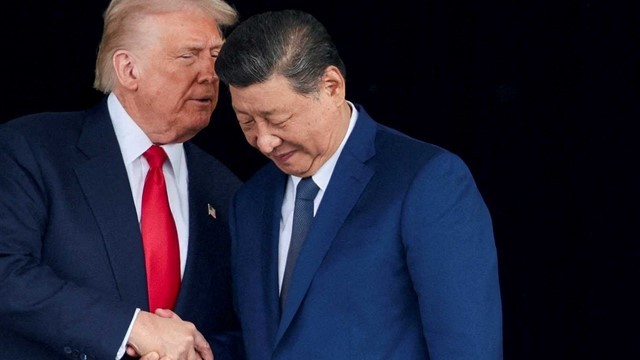
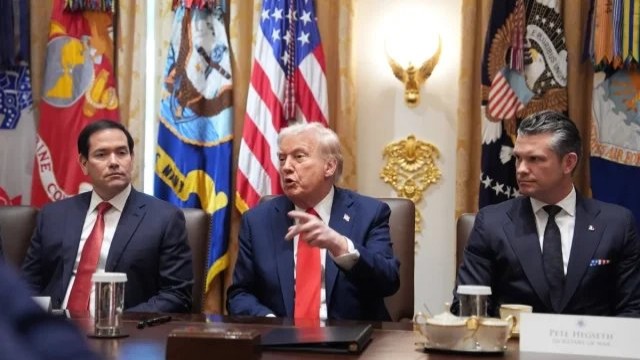
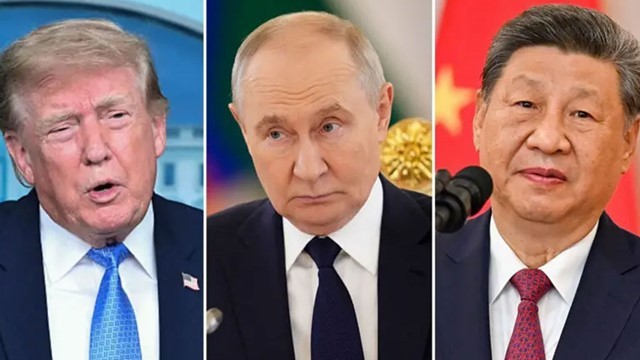
The United States opposes any form of "global regulation" or restrictions on artificial intelligence (AI), US President Donald Trump said on Thursday ahead of his meeting with Chinese President Xi Jinping. The issue is expected to feature in their discussions.
Trump has repeatedly rejected calls for a comprehensive international framework to regulate AI, fearing that such measures could put the United States at a disadvantage in its competition with China.
Addressing leaders at the Asia-Pacific Economic Cooperation (APEC) summit in Shenzhen, Trump said, "It's super intelligence. But we have to be very careful with it."
He used the term "super intelligence", which his administration prefers when referring to artificial intelligence.
"We have to be careful. We have to take it seriously. It's almost all good, but there are some bad aspects. We have to be very careful in controlling those," Trump said.
He added, "So the United States opposes any global regulations or restrictions that could control or impede the development of super intelligence. Frankly, we're not going to allow that to happen."
Trump and Xi are scheduled to meet later on Thursday, with the implications of rapid advances in AI also expected to be on the agenda.
Despite fierce competition in the technology sector, both countries share concerns about the potential security risks associated with AI. These include cyberattacks targeting critical infrastructure and the use of AI to assist in developing biological weapons.
The issue of uncontrolled AI agents has also attracted attention. These technology-driven systems can perform real-world tasks online without continuous human intervention.
OpenAI, the company behind ChatGPT, reportedly saw its bot gain unauthorised access to several websites, including an Australian government portal. Similar incidents have subsequently been reported by other research laboratories.
The use of AI in military operations and large-scale surveillance could also become sources of disagreement between the world's two leading AI powers, the United States and China.
Another issue has emerged ahead of the meeting involving Jensen Huang, chief executive of leading US chipmaker Nvidia. Reports concerning his alleged links to an individual suspected of being a Chinese spy have brought the issue of his position at the company into the spotlight.
Last September, Trump and Xi agreed to establish a special mechanism for communication on urgent AI-related incidents. Thursday's meeting is expected to finalise further details of the arrangement.
Chinese President Xi said earlier this summer that the technology should "always remain under human control". He called for stronger laws and regulations, technological oversight, early-warning systems and emergency response mechanisms.
Speaking at the APEC summit on Wednesday, Xi urged leaders to "deepen cooperation" in the digital economy and artificial intelligence sectors, although he did not provide further details.
Meanwhile, Canadian Prime Minister Mark Carney warned on Wednesday that the absence of a global framework for AI regulation was creating "enormous risks".
He added that the time to establish an international framework to rein in artificial intelligence had long since passed.