৫ কার্তিক ১৪৩৩



Filterwatch Report : Iran Plans Permanent Disconnection from Global Internet
19 January 2026 05:01 AM
NEWS DESK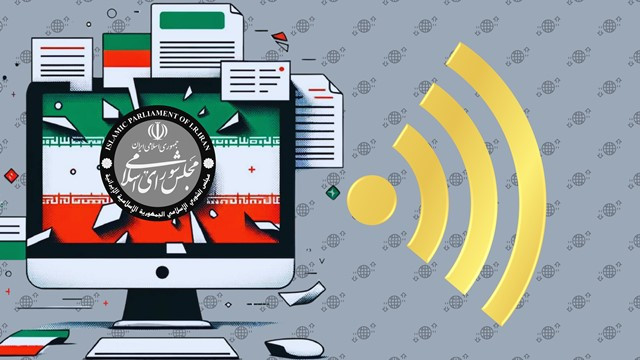
Iran has planned a “permanent break” from the global internet, allowing only individuals vetted by the regime to connect online, according to digital rights activists.
According to reports, a confidential plan is underway to make international internet access a “governmental privilege”, citing several sources in Iran.
The US-based newspaper said state media and government spokespersons have indicated that unrestricted access will not return after 2026.
Under the plan, Iranians with security clearance or government checks would access a filtered version of the global internet, while all others would be restricted to the national internet: a domestic network cut off from the wider world, said Amir Rashidi, head of Filterwatch, an organisation monitoring Iran’s internet censorship.
Rashidi told that authorities “appear satisfied with the current level of internet connectivity, which has helped them control the situation.”
Iran’s ongoing internet shutdown began on Jan 8 after 12 days of anti-regime protests. Thousands of people have been killed, though demonstrations appear to have slowed under a brutal crackdown.
Only limited information has been filtered out due to the blackout, described as one of the most severe in history, exceeding Egypt’s 2011 shutdown during the Tahrir Square protests.
A government spokesperson reportedly told that international internet access would remain cut off until at least Nowruz on Mar 20.
A former US State Department official said the idea of a permanent break from the global internet is “plausible and terrifying”, while noting the economic and cultural costs would be enormous.
Rashidi added that the ongoing shutdown is the result of a 16-year plan to cement regime control over the country’s internet. The strategy includes sophisticated filtering equipment, enabling whitelisted access to select individuals and blocking others entirely.
According to media, researchers at Project Ainita and Outline Foundation, who asked not to be named, noted that China-exported technology likely enables Iran to filter internet traffic, monitor users, and block websites, protocols, and VPNs.
It noted that Iran’s national internet, accessible only inside the country, allows use of regime-approved apps and services, including messaging, search, navigation, and a video streaming platform.
Iran’s pursuit of a national internet began after 2009, following the brief internet shutdown during protests after Mahmoud Ahmadinejad’s re-election, which revealed the costs of a total blackout, it added.
By 2012, Iran had established the Supreme Council of Cyberspace and refined shutdowns, blocking Facebook, Twitter, and Google during protests while keeping economically vital services running.
As per news, authorities also pressured online businesses, banks, and ISPs to move infrastructure inside Iran through tax incentives and regulatory measures.
In 2015, researchers using Bitcoin to buy server space inside Iran discovered the country had built a completely domestic internet, similar to internal corporate networks, inaccessible from outside.
The national internet has remained operational throughout the protests, providing the only online access for most Iranians while remaining disconnected from the global internet.
The former US official cited that Iran’s current capabilities surpass those of some other authoritarian regimes, but whether a permanent break is feasible remains uncertain.
“The digital rights community is right to raise the alarm. But the impacts of this will be really severe for Iranian authorities, who will bear responsibility for that harm to their economy,” the official said.