৪ কার্তিক ১৪৩৩



Andy Burnham Era Begins in British Politics as He Becomes Prime Minister
21 July 2026 10:07 AM
NEWS DESK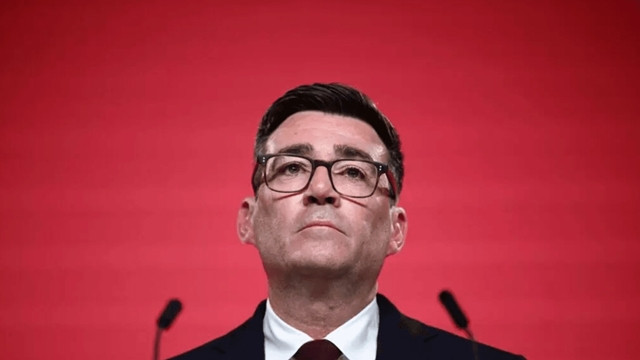
A new era has begun in British politics with Andy Burnham, leader of the ruling Labour Party, formally taking office as the country’s 59th prime minister.
In his first speech after assuming office, the new British prime minister announced that emergency measures to tackle the cost-of-living crisis would begin on Tuesday, July 21, 2026.
Speaking outside Downing Street on Monday, Burnham reassured the public that the measures would provide some relief to ordinary people.
In accordance with Britain’s constitutional conventions, King Charles III invited him to form a government. After completing the formalities at Buckingham Palace, Burnham returned to Downing Street and formally assumed office as prime minister.
In his first address to the nation, Burnham, who is known as the “King of the North” in northern England, said the people of Britain were looking for change, stability and renewed hope.
He said rebuilding public trust, strengthening the economy, creating more jobs and ensuring equal opportunities for every region of the country would be the main priorities of his government. He also pledged to decentralise power and strengthen local leadership.
Burnham said the country’s development could not remain centred solely on London and that every region of the United Kingdom must be given equal importance.
“Winning the trust of the people will be the greatest strength of the new government,” he said, pledging to work towards that goal.
He also announced swift measures to reduce homelessness, increase housing construction, improve education and mental health services, and ease the cost of living.
Meanwhile, Sir Keir Starmer left the Prime Minister’s Office after formally handing over power. In his farewell remarks, he expressed gratitude for the opportunity to serve the country and the Labour Party.
He described returning the Labour Party to government after a long period as one of the most significant achievements of his political career.
Starmer also wished new Prime Minister Andy Burnham success and expressed hope that he would succeed in the national interest.
No general election was held for Burnham to assume office. Under Britain’s constitutional conventions, when the leader of the party holding a majority in Parliament changes, the new leader assumes the office of prime minister. It was through this constitutional process that Andy Burnham became Britain’s new leader as the new leader of the Labour Party.
Andy Burnham is one of the most experienced and influential figures in British politics. In addition to serving as a Member of Parliament for many years, he has held several important ministerial positions, including roles related to health, culture and finance.
He later established a distinct position in national politics as the elected mayor of Greater Manchester.
His firm stance in defending the interests of people in northern England during the COVID-19 pandemic, particularly in his dealings with the central government, and his continued advocacy for regional development brought him widespread national recognition.
It was during that period that he became widely known in political circles as the “King of the North.” His role in empowering local government, reducing regional inequality and bringing the development of northern England to the centre of the national debate was widely praised.
Political analysts believe that under Burnham’s leadership, regional development, the decentralisation of power and economic balance will receive greater importance in British politics.
After years of campaigning for the development of northern England, the leader now has the opportunity to implement that vision at the national level. As a result, his Labour government may place greater emphasis on giving local governments a more effective role in policymaking.
The change in leadership is not merely the departure of one prime minister and the arrival of another. It marks the beginning of a new political vision, new expectations and new leadership in Britain.
The focus will now be on whether the “King of the North”—a symbol of the trust of the people of northern England—can retain that confidence at the national level and how successfully he can deliver on his promises of change.