৯ কার্তিক ১৪৩৩



Japanese PM's Sleep Routine Sparks Debate Over Work-Life Balance
27 July 2026 05:07 AM
NEWS DESK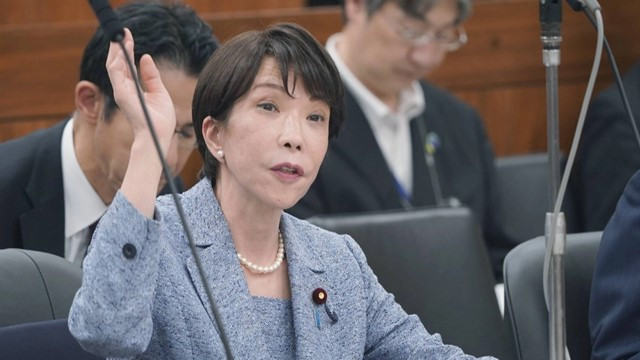
Japanese Prime Minister Sanae Takaichi has sparked a nationwide debate over work-life balance after revealing that she typically sleeps only zero to three hours a night, with many questioning whether such a demanding schedule could affect her ability to govern.
In a post on X this week, Takaichi said she had managed to get five consecutive hours of sleep for the first time in a long while. She spent Japan's Marine Day public holiday responding to thousands of emails, reviewing policy documents, and completing household chores, including mending a torn skirt, sewing loose buttons onto a jacket, and ironing clothes.
While the post, viewed more than 31 million times, was intended to present her as a practical and hardworking leader, it instead triggered widespread discussion about the health risks of chronic sleep deprivation.
Opposition politicians argued that the prime minister's lack of rest could impair her judgment. Lawmaker Toru Kunishige warned that sleep deprivation can reduce decision-making ability to a level comparable to alcohol intoxication, posing potential risks during national emergencies.
Another opposition figure, Hiroyuki Konishi, called for Takaichi's resignation, arguing that a prime minister should focus on setting policy direction rather than personally reviewing every document. Conservative leader Yuichiro Tamaki, while praising her work ethic, remarked that "rest is also part of the job."
Political analysts said the controversy also highlights the unique pressures faced by Japan's first female prime minister. Yoko Iwama, a professor at the National Graduate Institute for Policy Studies in Tokyo, noted that previous male prime ministers often relied on their spouses for household responsibilities, whereas Takaichi appears to manage many domestic tasks herself. She called for stronger institutional support to allow the prime minister to focus on official duties.
Japan has long struggled with a culture of excessive working hours and karoshi, or death from overwork. In 2016, the government introduced a monthly overtime cap of 45 hours after the suicide of a young employee who had reportedly worked more than 100 hours of overtime in a month.
Since taking office last year, Takaichi has pledged to devote herself entirely to her responsibilities. Concluding her social media post, she wrote that she would be ready to "throw myself back into work with full energy" the following day.