[email protected]
মঙ্গলবার, ৬ অক্টোবর ২০২৬
২০ আশ্বিন ১৪৩৩
২০ আশ্বিন ১৪৩৩

Monday, 5th October 2026


Flávio Bolsonaro Defeats Lula in Brazil’s First-Round Presidential Vote
06 October 2026 00:10 AM
NEWS DESK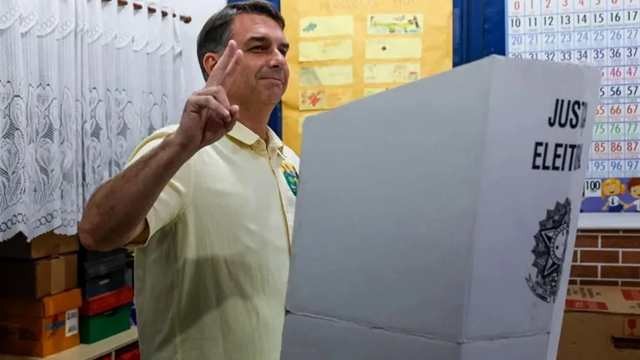
Right-wing candidate Flávio Bolsonaro has finished ahead of incumbent left-wing President Luiz Inácio Lula da Silva in Brazil’s first-round presidential election, but failed to secure the more than 50 percent of votes required for an outright victory.
The two candidates will now face each other in a runoff election on October 25, according to the BBC.
Flávio Bolsonaro is the son of former right-wing President Jair Bolsonaro, who is currently serving a 27-year prison sentence after being convicted in connection with an alleged coup plot following his defeat in the previous election.
The election was closely contested. Although opinion polls during the campaign had given Lula a narrow lead, with 98.81 percent of the votes counted, Flávio Bolsonaro had secured 47.24 percent, compared with Lula’s 44.91 percent.
Bolsonaro’s performance was stronger than expected, putting him in a potentially favourable position ahead of the runoff.
The result could determine whether Brazil, Latin America’s largest country and economy, moves closer to the right-wing political direction adopted by many countries across the region and their increasingly close ties with the Trump administration.
Lula and Bolsonaro represent two of the most prominent and opposing forces in Brazilian politics. Their contest has further deepened political divisions over issues including national sovereignty, crime, the economy and corruption.
Lula remains particularly popular among voters in Brazil’s poorer northeastern region, lower-income communities, Catholics and women. He is seeking a fourth presidential term, having previously won elections in 2002, 2006 and 2022.
In the 2022 election, Lula defeated Jair Bolsonaro by less than two percentage points, making it one of the closest presidential contests in Brazil’s history.
Following that election, Bolsonaro supporters stormed and vandalised government buildings in Brasília on January 8, 2023.
Jair Bolsonaro was barred from running for another term before being sentenced to prison. He subsequently endorsed his eldest son, Flávio, as his political successor. Flávio’s wife, Michelle Bolsonaro, was also elected to the Senate in Sunday’s elections.
Flávio Bolsonaro has pledged that, if elected president, he would grant amnesty to his father and supporters involved in the January 8 riots.
He enjoys stronger support in southern Brazil, among relatively wealthier voters and evangelical Christians.
Earlier this year, Flávio Bolsonaro helped persuade the United States to designate Brazil’s two largest criminal organisations as terrorist groups.
Brazil’s Superior Electoral Court president said on Sunday that there was no evidence of any international interference in the election.
During the campaign, President Lula made national sovereignty one of his central themes. He repeatedly accused the United States of attempting to interfere in Brazil’s election and exert influence over the country’s political process.
Lula has also pledged to increase defence spending.
The October 25 runoff will now determine whether Lula secures another term or whether Flávio Bolsonaro brings the Bolsonaro family back to Brazil’s presidency.
Advertisement