১১ অগ্রহায়ণ ১৪৩৩



UN Faces Risk of Leadership Vacuum as Divisions Stall Selection of Next Secretary-General
25 November 2026 18:11 PM
NEWS DESK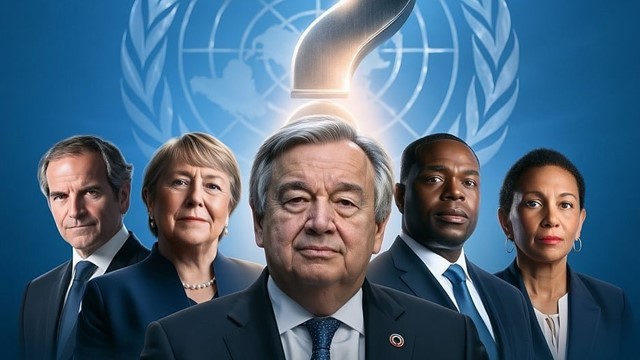
As the world grapples with wars, economic crises and competition over artificial intelligence (AI), divisions are also deepening within the United Nations, raising concerns that the organisation could enter a new chapter without a successor to its current chief.
The tenure of UN Secretary-General António Guterres is due to end on December 31, 2026. However, experts warn that the organisation may fail to appoint his successor before the deadline. If that happens, it would create an unprecedented situation in the UN's history, with Guterres leaving office without a successor ready to take over.
Thibaut Camelli, a former UN diplomat and researcher at New York University's Center on International Cooperation, said the possibility of a leadership vacuum appeared increasingly real, although a last-minute agreement could still be reached.
The responsibility for selecting Guterres's successor rests with the UN Security Council, which has been conducting a series of informal, closed-door straw polls since July as part of the selection process.
Former Costa Rican Vice-President Rebeca Grynspan, who previously headed the UN Conference on Trade and Development (UNCTAD), has consistently performed strongly in the polls.
In the ninth round, held on November 20, Grynspan received 10 votes encouraging her candidacy, four discouraging it and one expressing no opinion. However, she has yet to secure the support needed from all five permanent members of the Security Council.
The permanent members — the United States, China, Russia, the United Kingdom and France — each have veto power over the council's recommendation. Opposition from any one of them could block her appointment.
Daniel Forti of the International Crisis Group said divisions among the Security Council's permanent members, particularly China, Russia and the United States, were contributing to the uncertainty surrounding the selection process.
He noted that the UN had undertaken various initiatives to address conflicts in Sudan, Gaza and Ukraine, but major powers had failed to reach agreement on several key issues.
A similar lack of consensus is now affecting the selection of the organisation's next leader.
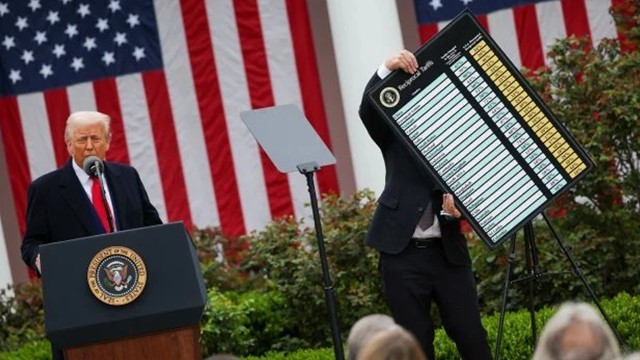
The United Nations was founded on the principle of multilateral cooperation. However, President Donald Trump's administration has pursued an 'America First' policy, which has often been at odds with the organisation's multilateral approach.
US Ambassador to the UN Mike Waltz has repeatedly called for institutional reforms.
He previously said the organisation needed reforms similar to cleaning up a house to make it more effective.
Compared with representatives of other permanent Security Council members, Waltz has been particularly vocal about the need for changes, arguing that the UN should not become an excessively bureaucratic institution.
Esther Brimmer, who served as US Assistant Secretary of State under the Barack Obama administration, said Washington's reform agenda stood in contrast to Grynspan's position as a candidate closely associated with the UN establishment.
Camelli also pointed to widespread perceptions that Washington opposes Grynspan's candidacy, while Moscow is also believed to be against her.
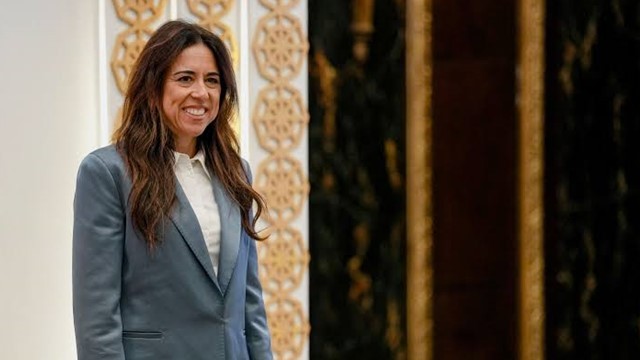
Lana Nusseibeh of the United Arab Emirates is another contender for the secretary-general position and is seen as a potential candidate acceptable to Washington.
However, she has yet to receive sufficiently broad support, partly because additional candidates could still enter the race.
Other candidates in the selection process include Rafael Mariano Grossi of Argentina, Carolyn Rodrigues Birkett of Guyana, María Fernanda Espinosa Garcés of Ecuador, Olara Otunnu of Uganda, Ivonne A-Baki of Ecuador and Feridun Hadi Sinirlioğlu of Türkiye.
Forti said the lack of consensus, combined with political and financial pressures facing the organisation, had made the secretary-general position less attractive than in previous years.
Despite the political divisions, one issue appears to have gained support among many countries: the appointment of a woman as the UN's next secretary-general.
In its 81-year history, the organisation has never had a female secretary-general. Several countries have therefore expressed support for breaking that longstanding precedent.
Forti said the permanent members of the Security Council had begun discussions among themselves about the selection process.
He added that these discussions indicated that the major powers were beginning to feel political pressure to reach an agreement.
With Guterres's term set to expire on December 31, the coming weeks will be crucial in determining whether the Security Council can overcome its divisions and recommend a successor in time.