১২ অগ্রহায়ণ ১৪৩৩



Canadian Parliament Rejects Conservative Motion to Scrap New Immigration Plan
26 November 2026 19:11 PM
NEWS DESK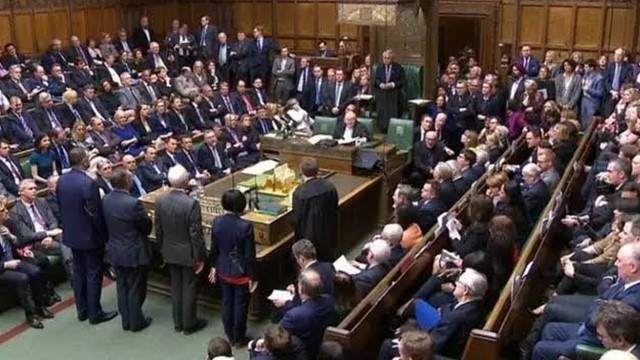
The Canadian House of Commons has defeated a motion introduced by the Conservative Party seeking to overturn the Liberal government's new immigration plan.
In a vote held on Wednesday, 154 members of Parliament supported the motion, while 175 voted against it. Despite receiving support from the Bloc Québécois, the opposition failed to pass the motion by a margin of 21 votes.
As a result, the government's 2027–2029 immigration plan remains in place for now. However, the motion was non-binding and political in nature. Even if it had passed, it would not automatically have cancelled the government's immigration plan.
The immigration plan for 2027–2029 was unveiled on November 5 alongside Canada's 2026 federal budget. Under the plan, the government has set a target of welcoming 380,000 new permanent residents in 2027. The same annual target has been set for 2028 and 2029.
Beyond the regular target, the government is planning to grant permanent residency to up to an additional 200,000 people through special measures in 2027.
Of these, approximately 100,000 workers and their family members could receive permanent residency through provincial nomination programmes. The remaining places are intended for individuals covered by humanitarian and special immigration programmes.
Additional initiatives under ongoing special programmes for 2026–2027 are also expected to provide permanent residency opportunities to certain protected persons and temporary workers.
Taking all these programmes into account, as many as approximately 662,000 people could potentially obtain permanent resident status through various pathways in 2027. However, this is a maximum projected figure across special programmes, not the government's regular annual immigration target.
Conservatives Warn of Pressure on Housing and Public Services
The Conservative Party argues that the government's plan to grant permanent residency to such a large number of people will put additional pressure on Canada's housing market, healthcare system, employment sector and social infrastructure.
According to the party, Canada is struggling to provide sufficient housing, healthcare services and employment opportunities to keep pace with population growth.
Conservative immigration critic Michelle Rempel Garner said that, given the current economic situation, immigration levels need to be reduced to address shortages in housing and healthcare.
The party introduced its parliamentary motion to reject the government's plan based on these concerns.
Liberals Say Most Beneficiaries Already Live in Canada
The Liberal government, however, argues that most people expected to receive permanent residency under the special measures are already living and working in Canada.
They include temporary workers, protected persons and individuals who have been residing in the country for an extended period under various humanitarian programmes.
According to the government, granting these individuals permanent resident status does not mean that a large number of new foreign nationals will enter Canada.
Instead, the initiative is intended to provide permanent residency opportunities to people who have already been contributing to the country's economy and labour market.
Immigration Plan Remains in Place
The defeat of the opposition motion has reduced the immediate political obstacles to implementing the government's immigration plan.
However, not everyone covered by the special programmes will automatically receive permanent residency. Eligibility requirements, provincial nominations and government decisions will determine whether individual applicants qualify.
Debate over Canada's immigration policy continues, particularly regarding the capacity of the housing market, employment sector and public services to accommodate population growth.
Through its new plan, the government is seeking to maintain stable annual immigration targets while creating additional pathways to permanent residency for certain groups of people who are already living in the country.