১৩ অগ্রহায়ণ ১৪৩৩



Russia Eyes Expanded Military and Technological Cooperation with Pakistan, Raising Concerns in India
27 November 2026 17:11 PM
NEWS DESK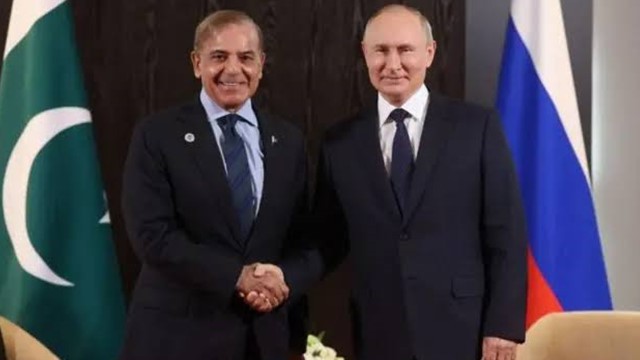
Moscow’s potential transfer of satellite and navigation technologies to Islamabad could reshape the military balance in South Asia, analysts warn.
Russia is exploring opportunities to expand its military and technological cooperation with Pakistan, potentially opening a new chapter in its relations with Islamabad and raising security concerns in India.
Moscow has expressed interest in sharing space and satellite technologies with Pakistan, including satellite-based navigation, communications, Earth observation, human spaceflight and astronomy-related technologies. Analysts believe such cooperation could have implications for the military balance in South Asia, particularly given Pakistan’s existing technological partnership with China.
According to a report published by Russia’s state-run news agency TASS on November 25, Moscow is considering expanding cooperation with Islamabad across several areas of space technology.
Russian Energy Minister Sergei Tsivilev disclosed the interest. He also serves as co-chair of the Russia-Pakistan Intergovernmental Commission on Trade, Economic, Scientific and Technical Cooperation.
Tsivilev said Russia is one of the world's leading countries in space research and has significant capabilities in the sector. He indicated that Moscow had no objection to expanding technological cooperation with Pakistan.
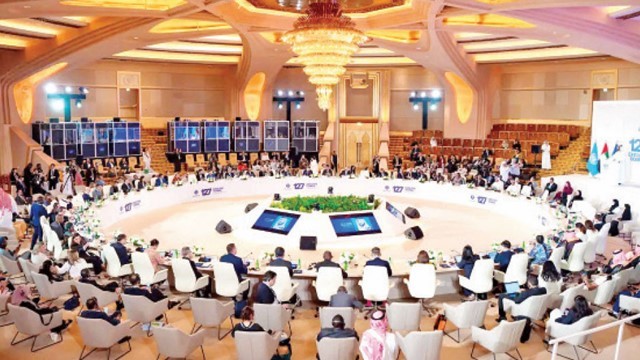
The announcement came after the 11th meeting of the Russia-Pakistan Intergovernmental Commission in Moscow, attended by Tsivilev and several senior Pakistani officials and ministers.
However, it remains unclear whether the two countries have signed any formal agreement on space technology cooperation.
Russia currently ranks fifth globally in terms of the number of satellites, with 372 satellites in orbit, according to figures cited in the report. The country also operates GLONASS, its own satellite-based navigation system, which serves as an alternative to the United States' Global Positioning System (GPS).
In addition, Russia operates specialised satellites for military surveillance and intelligence gathering.
Military analysts suggest Pakistan could potentially benefit from Russian assistance in three major areas of satellite technology.
The first is access to GLONASS technology. Satellite-based navigation systems can help determine the positions of missiles and drones and guide them towards designated targets. Analysts warn that access to such technology could enhance Pakistan's military capabilities, including its ability to target strategic installations in India.
The second area involves satellite-based surveillance. Pakistan has already launched several Earth-observation satellites with Chinese assistance, enabling it to collect images and other information from different parts of the world.
Russian technical support could further strengthen Pakistan's capacity to develop and operate surveillance satellites. This could potentially improve its ability to monitor Indian military installations and critical infrastructure.
The third possibility is intelligence sharing. Russia could potentially share information collected through its military surveillance satellites with Pakistan, a prospect that could further complicate India's security calculations.
India is already concerned about China's satellite-based surveillance capabilities. Beijing has been accused of sharing intelligence gathered through satellite systems with Pakistan.
The debate has also brought renewed attention to India's 2025 Operation Sindoor. Reports and discussions in various circles have suggested that Chinese satellite-based intelligence may have assisted Pakistan during the operation, although the extent of such assistance remains a matter of debate.
If implemented, expanded Russia-Pakistan cooperation in space technology could add another dimension to the region's evolving strategic landscape.
With China already playing a significant role in strengthening Pakistan's technological and military capabilities, greater Russian involvement could create additional challenges for India's security and diplomatic interests.
The potential shift has also prompted criticism of Russian President Vladimir Putin's approach from some veteran diplomats, who question Moscow's willingness to deepen ties with Pakistan despite its longstanding strategic relationship with India.
For New Delhi, the emerging Russia-Pakistan partnership raises questions about the future of its traditional relationship with Moscow and the broader strategic balance in South Asia.