১৩ অগ্রহায়ণ ১৪৩৩



India Empowers States to Seize Assets of Zakir Naik's Islamic Research Foundation
27 November 2026 19:11 PM
NEWS DESK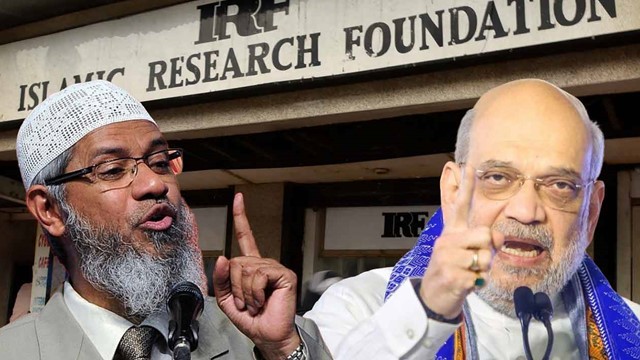
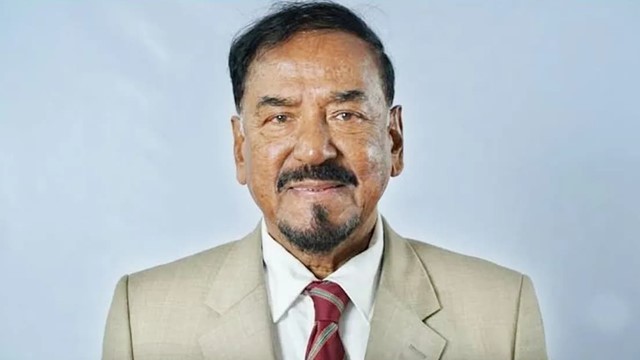
The Indian government has empowered all state governments and Union Territories to take direct action against the funds, financial assets and movable and immovable properties of the Islamic Research Foundation (IRF), founded by prominent Islamic preacher and Peace TV founder Dr Zakir Naik.
The move comes shortly after New Delhi extended its ban on the organisation for another five years. The latest decision allows local authorities to take action against IRF assets without waiting for separate instructions from the central government.
According to a report by Indian media outlet The Observer Post, the Union Ministry of Home Affairs (MHA) issued a notification on Thursday delegating these powers to state governments and Union Territories under Sections 7 and 8 of the Unlawful Activities (Prevention) Act (UAPA).
Under the notification, local administrations can take direct action against IRF's financial resources, bank accounts and premises. The central government has delegated these powers under Section 42 of the legislation.
The Home Ministry said IRF was once again declared an "unlawful association" through a notification issued on November 13 under Sections 3(1) and 3(3) of the UAPA.
The organisation's previous ban was due to expire on November 14. However, the government renewed the prohibition for another five years just before its expiry.
Section 7 of the UAPA empowers authorities to prohibit and investigate an organisation's funds, securities and financial transactions. Section 8 allows authorities to seal buildings and premises, restrict access and seize movable property found inside.
According to legal provisions, the newly delegated powers will enable state and local authorities to implement such measures directly.
Dr Zakir Naik, known internationally for his lectures on comparative religion and religious debates, has been a controversial figure in India. The Indian government first banned the IRF in 2016, citing allegations that the organisation was involved in unlawful activities and promoting religious hostility. Naik has denied wrongdoing.
At the time the ban was imposed, Naik was outside India for religious outreach activities. He did not return, citing concerns about possible legal harassment and imprisonment, and subsequently settled in Malaysia.
In 2017, the Indian government also revoked his passport following a request from the National Investigation Agency (NIA).
Since 2016, India has pursued diplomatic and legal efforts to secure Naik's return to face proceedings in the country.
In May 2017, India approached Interpol seeking a Red Notice against him. However, in December that year, Interpol's Commission for the Control of Files rejected the request, reportedly citing concerns about the political nature of the case and the absence of a formal charge sheet.
India submitted another request to Interpol in January 2018, but no Red Notice has subsequently been issued.
Meanwhile, after Malaysia granted Naik permanent residency, India formally requested his extradition from Kuala Lumpur in January 2018.
However, Malaysia has so far declined to hand him over to Indian authorities.