১৮ আশ্বিন ১৪৩৩



Muslims Expected to Observe Ramadan Twice in the Gregorian Year 2030
03 October 2026 19:10 PM
NEWS DESK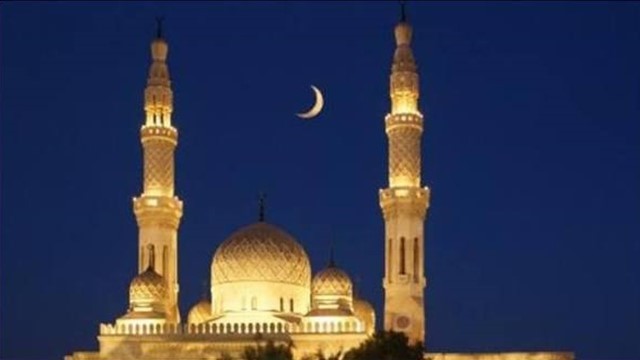
Muslims around the world are expected to observe the holy month of Ramadan twice during the Gregorian calendar year 2030 due to the difference between the Islamic lunar calendar and the Gregorian solar calendar.
According to astronomers and Islamic scholars, the Islamic calendar is approximately 11 days shorter than the Gregorian calendar. As a result, Islamic months shift earlier each year, occasionally causing Ramadan to occur twice within the same Gregorian year.
According to Gulf News, the first Ramadan of 2030 is expected to begin around January 5, corresponding to 1441? Wait correction—1451 AH. A second Ramadan is then expected to begin around December 26, marking the start of 1452 AH.
If these projections are confirmed, Muslims will observe approximately 36 days of fasting during the 2030 Gregorian year—around 30 days in January and another six days at the end of December.
Unlike the Gregorian calendar, which is based on the Earth's orbit around the Sun, the Islamic calendar follows the lunar cycle. A lunar year consists of about 354 days, making it roughly 11 days shorter than a solar year. This difference causes Islamic months to rotate through all four seasons over time, with the cycle repeating approximately every 33 years.
The last time Ramadan occurred twice in the same Gregorian year was 1997, while the next such occurrence after 2030 is expected in 2063.
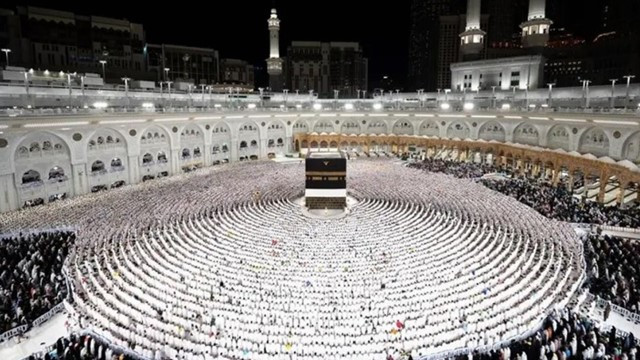
For Muslims, fasting from dawn until sunset during Ramadan is one of the five pillars of Islam and serves as a time of worship, self-discipline and spiritual reflection. The length of the daily fast varies depending on the season and geographic location. During winter, fasting hours are generally shorter, whereas in some parts of the world during summer, they can exceed 17 hours.
Although astronomical calculations can predict the likely start of Ramadan well in advance, the official beginning of the holy month is determined by the sighting of the new crescent moon (hilal). Many Muslim-majority countries, including Saudi Arabia, rely on physical moon sightings, while others also incorporate astronomical calculations in determining the start of the month.
Astronomical forecasts indicate that Ramadan in the United Arab Emirates in 2026 is expected to begin between February 17 and 19, with the first day of fasting likely to fall on Wednesday, February 18. However, the exact date will only be confirmed after the UAE's official Moon-Sighting Committee announces the sighting of the crescent moon.
Astronomers have also noted that the crescent marking the beginning of the month of Sha'ban was not sighted on January 18, meaning that the month of Rajab is expected to complete 30 days in many parts of the Muslim world. Rajab is traditionally regarded as an important period of spiritual preparation ahead of Ramadan.