১৭ আশ্বিন ১৪৩৩



US-EU Diesel Dispute Deepens Amid Global Energy Crisis
02 October 2026 20:10 PM
NEWS DESK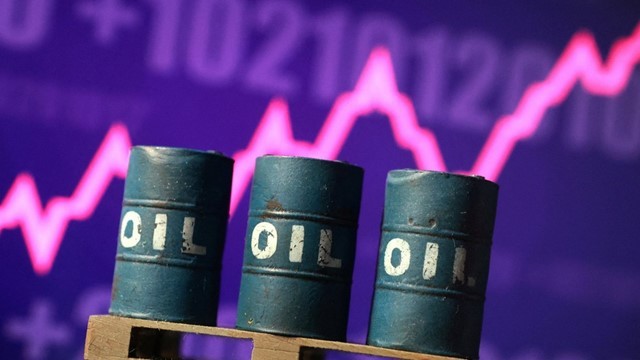
Rising tensions have emerged between the United States and the European Union (EU) amid a global energy crisis fueled by the Iran conflict. Washington has warned that it could suspend diesel exports to Europe unless EU member states release more fuel from their strategic diesel reserves to help stabilize the market. The European Union has firmly rejected the threat.
European Commission spokesperson Anna-Kaisa Itkonen said the EU does not accept Washington's position, warning that restricting diesel exports would benefit neither side.
"The threat to halt diesel exports serves no one's interests. Such a decision would seriously undermine our confidence in the United States as a reliable partner," Itkonen said.
She added that the European Commission is closely monitoring the situation and preparing contingency measures. The EU's Oil Coordination Group is scheduled to meet on October 15, although an earlier meeting could be convened if market conditions continue to deteriorate.
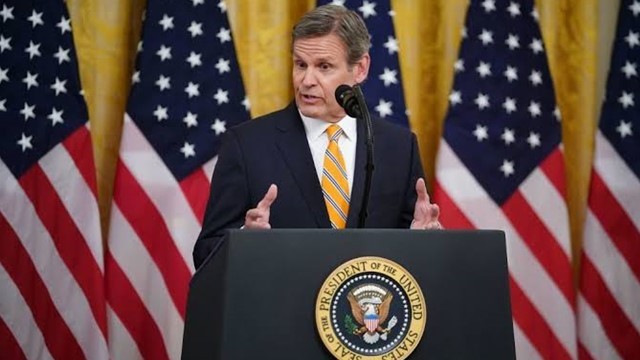
The dispute comes as diesel prices have surged globally, particularly in the United States and Europe, following disruptions linked to the Iran conflict. Seeking to ease supply shortages and contain rising fuel costs, U.S. President Donald Trump recently suggested that Washington could restrict or halt diesel exports to Europe if European governments declined to release fuel from their emergency reserves.
Shortly afterward, U.S. Treasury Secretary Scott Bessent reportedly urged European allies to immediately tap into their strategic fuel stockpiles to help stabilize international energy markets.
Energy analysts warn that the latest disagreement could further strain transatlantic relations at a time when global energy markets are already under pressure from instability in the Middle East and the ongoing war in Ukraine. They say any disruption to diesel trade between the United States and Europe could intensify volatility in global oil markets and add further pressure to the world economy.