In a national address delivered just days after the attacks, Sánchez issued a direct and powerful message: “No to war.” His stance reflects not only a political decision but also deep-rooted memories of the 2003 Iraq War, which continues to shape public sentiment in Spain.
Sánchez warned against repeating what he described as past mistakes, referencing how Spain became involved in Middle Eastern conflicts two decades ago. He argued that those decisions had put Europe’s security at serious risk and cautioned that the current Iran crisis could revive similar dangers on a much larger scale.
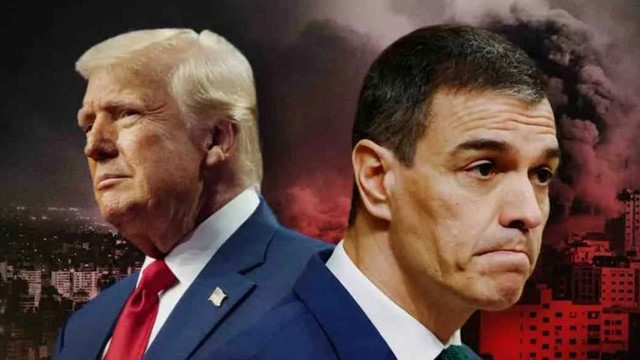
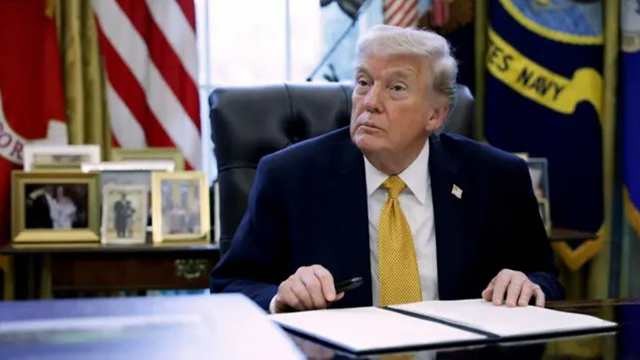
Beyond rhetoric, Sánchez has taken concrete steps. He announced a complete closure of Spanish airspace to American military aircraft involved in the Iran strikes and refused permission for military bases in Spain to be used in the operation. These decisions reportedly angered Donald Trump, who has threatened to cut trade ties with Spain.
Public opinion in Spain strongly supports this anti-war stance. Recent polls suggest that nearly two-thirds of Spaniards oppose military intervention in Iran. The memory of the 2004 Madrid train bombings remains vivid, where 191 people were killed in attacks widely seen as retaliation for Spain’s involvement in wars in Iraq and Afghanistan.
Political analyst Pablo Simón says, Sánchez is leveraging this anti-war position to strengthen his moral authority on the global stage. By standing up to figures like Trump, he is positioning himself as a leading voice in progressive international politics. His earlier recognition of Palestine also helped consolidate support among left-leaning voters ahead of upcoming elections.
However, economic challenges could complicate this strategy. Spain depends on imports for around 70% of its energy needs, and fuel prices have already risen by at least 10% since the conflict began. The country’s tourism sector, which contributes about 13% of GDP, could also suffer due to rising travel costs and security concerns.
Opposition parties, including People’s Party and Vox, have criticized Sánchez, accusing him of using foreign policy to distract from domestic issues. While they initially supported the strikes, public pressure has forced them to soften their positions.
Upcoming regional elections in Andalusia on May 17 and next year’s general election will test Sánchez’s approach. Rising energy costs and economic strain could challenge public support. Nevertheless, Sánchez appears determined to define his legacy as a leader who prioritizes national sentiment and international law over alignment with Washington.