২৪ ভাদ্র ১৪৩৩



Former Jerusalem Grand Mufti Warns of Israeli Plan to Restrict Al-Aqsa Access During Ramadan
14 February 2026 23:02 PM
NEWS DESK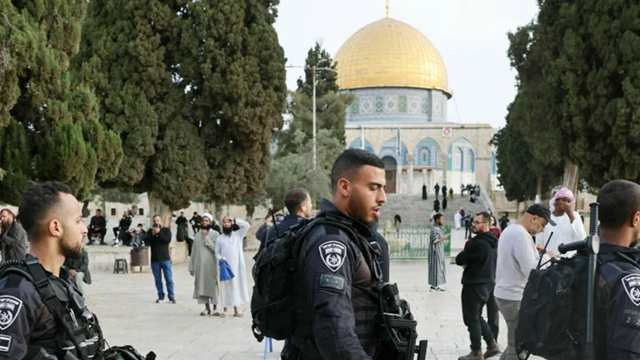
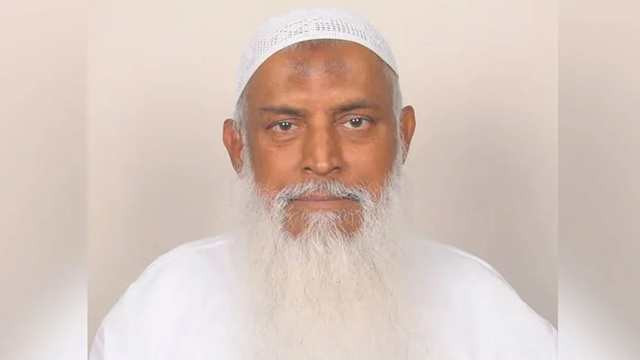
Israeli authorities are planning to restrict Muslim access to Al-Aqsa Mosque during the upcoming holy month of Ramadan, according to Sheikh Ekrima Sabri, former Grand Mufti of Jerusalem and head of the Supreme Islamic Council in Jerusalem.
In an interview with Anadolu Agency, Sabri expressed deep concern over what he described as plans by Israeli authorities to impose stricter measures on worshippers, particularly in the middle of Ramadan. He said Muslims traditionally welcome Ramadan with optimism, following the Sunnah of the Prophet Muhammad (peace be upon him), but current conditions in Jerusalem are cause for sorrow.
“We are saddened by the situation in Jerusalem, as the occupying authorities are preparing to impose strict measures on worshippers coming to Al-Aqsa Mosque,” Sabri said.
He noted that Israeli authorities have already barred dozens of young Palestinians from entering the mosque and have announced that no easing of restrictions will be granted for worshippers coming from the occupied West Bank during Ramadan. “This means even tighter restrictions will be imposed, and the number of worshippers at Al-Aqsa will be lower than in previous years,” he said, calling the measures a violation of religious freedom that would disrupt Muslims’ observance of fasting.
Each Ramadan, hundreds of thousands of Palestinians from the West Bank travel to occupied East Jerusalem to pray at Al-Aqsa, considered Islam’s third holiest site. However, since the outbreak of war on October 7, 2023, Israeli authorities have tightened military checkpoint restrictions, significantly limiting West Bank residents’ access to Jerusalem.
Over the past two years, only a small number of Palestinians have reportedly received permits issued by the Israeli military, with many describing the process as extremely difficult. Authorities have not announced any special arrangements for this year’s Ramadan.
In recent days, Israeli authorities have also issued temporary bans against hundreds of Palestinian residents of East Jerusalem—most of them young people—preventing them from entering Al-Aqsa during Ramadan. Some of these bans reportedly extend for up to six months.
The measures come amid criticism from Palestinian officials, who accuse the right-wing government led by Prime Minister Benjamin Netanyahu of attempting to alter the long-standing “status quo” at the site.
The appointment of Avshalom Peled as the new police commander in occupied East Jerusalem in early January has further heightened tensions. The move is widely seen as part of efforts by National Security Minister Itamar Ben-Gvir to advance hardline policies around the mosque compound. Israeli newspaper Haaretz wrote that “it appears Ben-Gvir is doing everything possible to ignite a fire.”
Sabri also accused the government of working to assert sovereignty over the site and undermine the authority of the Islamic Waqf, which administers the compound. He warned that policies allowing Israeli extremists to enter the mosque compound since 2003—despite repeated objections from the Waqf—reflect long-standing ambitions that are now being openly pursued.
Beyond the mosque compound, Sabri said Israeli measures extend to the demolition of Palestinian homes in East Jerusalem, particularly in neighborhoods surrounding Al-Aqsa. He described the demolition policy as racist, unjust, illegal, and inhumane, likening it to British colonial practices in historic Palestine.
Sabri called on Arab and Muslim nations to stand with Palestinians in Jerusalem and urged regional leaders to fulfill what he described as their responsibilities toward Jerusalem and Al-Aqsa Mosque.