১০ কার্তিক ১৪৩৩



Trump Signals Gulf Allies May Be Asked to Share Costs of Iran Military Operations
01 April 2026 06:04 AM
NEWS DESK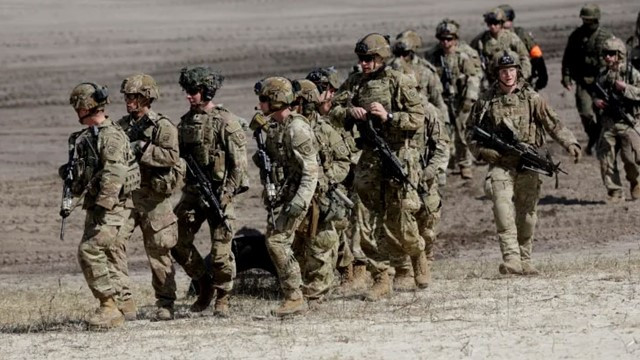
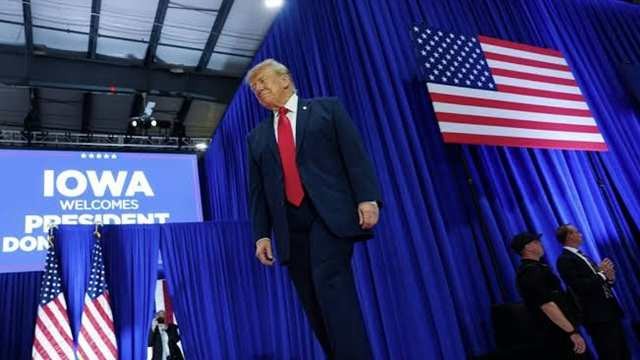
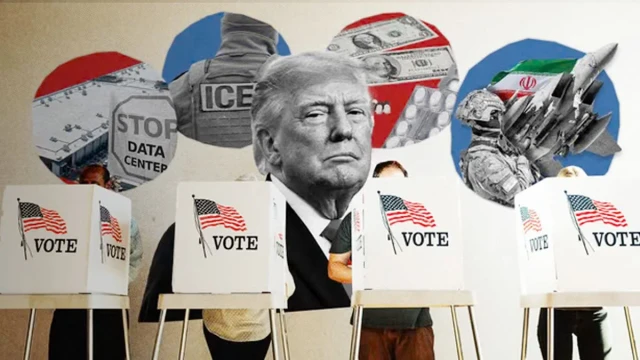
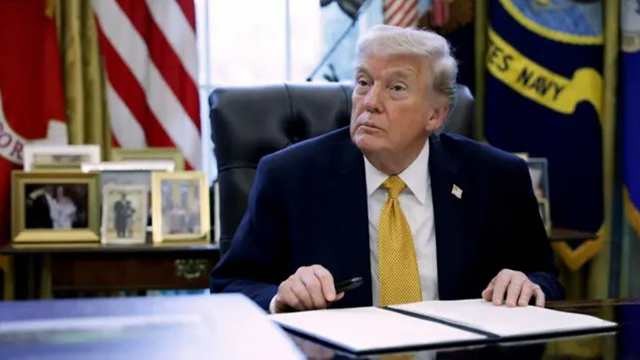
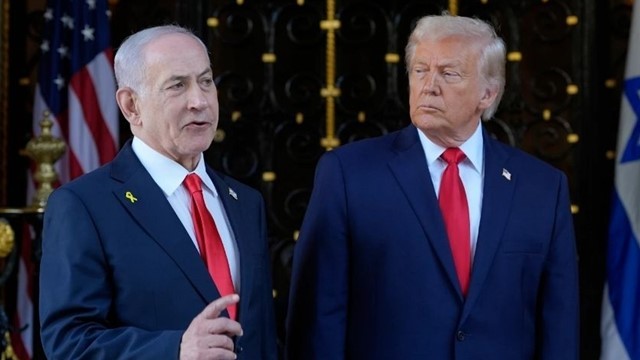
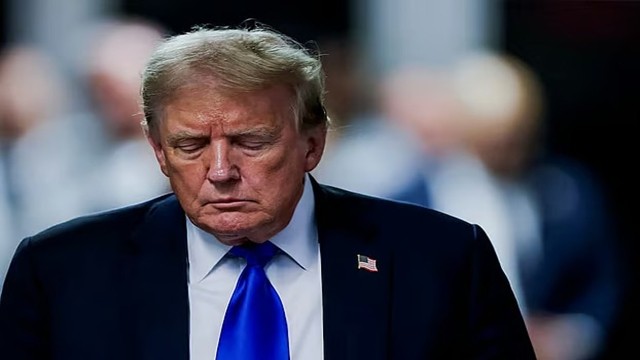
U.S. President Donald Trump is reportedly considering asking Gulf countries to share the costs of ongoing military operations against Iran, according to the White House. Rising expenses of the conflict have prompted such a possibility.
During the 1990 Gulf War, U.S. allies contributed to the military costs. A global coalition led by the United States was formed to repel Iraq’s invasion of Kuwait, and countries including Germany and Japan provided roughly $54 billion (around $134 billion in today’s terms) to help cover U.S. expenses.
White House spokesperson Caroline Leavitt told reporters that President Trump “may call on Gulf nations to share the costs. This is something he is considering, and more details will emerge soon.”
Unlike the Gulf War coalition, the current U.S.-Israel operations against Iran are being carried out unilaterally, without formal participation from regional partners.
Pro-Trump commentator Sean Hannity recently suggested that, under any potential ceasefire deal, Iran should be required to cover the full cost of the conflict, stating that the payments could be made via oil exports. Iran, in contrast, has demanded compensation from the United States, claiming the attacks occurred amid diplomatic talks and that it posed no threat to U.S. or regional security.
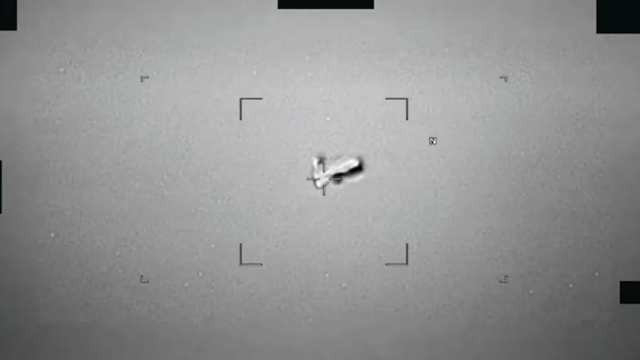
In retaliation to U.S. and Israeli strikes, Iran has launched missile and drone attacks. While Iranian officials claim these target U.S. installations in the region, some civilian sites in Gulf countries—including hotels, airports, and energy infrastructure—have also been affected.
The financial toll of the conflict is rising rapidly. U.S. media reports indicate that the first six days of operations cost $11.3 billion, rising to $16.5 billion by day 12. By the 31st day, expenditures are believed to have increased further. In response, the White House has requested at least an additional $200 billion in military funding from Congress to support ongoing operations and replenish Pentagon stockpiles.
Meanwhile, Iran’s closure of the Strait of Hormuz has affected global energy markets. Average U.S. gasoline prices have risen to $3.99 per gallon, more than $1 higher than before the conflict began. The White House, however, describes these price fluctuations as short-term, with Caroline Leavitt emphasizing that the steps are taken in the long-term interest of countering Iran’s threat.