২৮ আশ্বিন ১৪৩৩



Trump Administration Revises Green Card Interview Rule for Adjustment of Status Applicants
31 May 2026 07:05 AM
NEWS DESK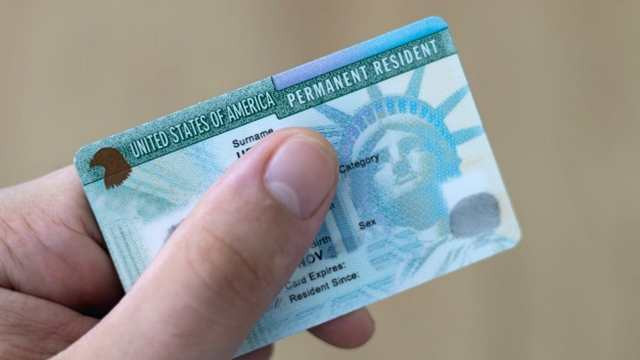
The Trump administration has revised a controversial immigration directive issued just a week ago, allowing certain Adjustment of Status applicants to complete their green card interviews within the United States rather than returning to their home countries.
The updated policy is particularly significant for citizens of countries, including Bangladesh, where U.S. visa services remain partially suspended or subject to significant delays and complications.
A senior official from the U.S. Department of Homeland Security confirmed the change on Friday. However, the final approval of a green card application will continue to depend on the discretion of individual officers at the U.S. Citizenship and Immigration Services (USCIS).
Under the revised guidance, USCIS officers will retain the authority to deny applications if they determine that an applicant is likely to become dependent on government assistance programs in the future, including benefits such as food stamps or Medicare.
The policy change follows widespread criticism of a May 22 directive that required non-immigrant visa holders seeking Adjustment of Status to return to their home countries for immigrant visa interviews. Immigration advocates, attorneys, and policy experts strongly opposed the measure, warning that it could create serious legal and humanitarian consequences.
Advocacy organizations argued that many applicants who may have violated visa conditions could face lengthy re-entry bans if they left the United States. Economists also warned that the policy risked driving away skilled workers and talented immigrants, potentially harming the U.S. economy.
Observers believe the administration’s latest decision reflects a partial retreat from the earlier, more restrictive approach.
New York-based Bangladeshi-American immigration attorney Jannatul Ruma said USCIS has instructed officers to consider conditions in applicants’ home countries when making interview decisions.
“If an applicant can demonstrate that returning home would expose them to persecution, danger, or significant hardship, and the interviewing officer finds the evidence credible, they may be permitted to complete the interview process while remaining in the United States,” Ruma explained.
She added that applicants pursuing permanent residency through employment-based categories, particularly skilled workers, will continue to be eligible to complete the Adjustment of Status process within the United States, as they have in the past.
Attorney Moin Chowdhury, director of the American International Bar Association, welcomed the clarification.
“Applicants seeking Adjustment of Status no longer need to be overly concerned. They will be able to attend their green card interviews while remaining in the United States,” he said.
Under existing U.S. immigration law, individuals who enter the country on tourist, business, or student visas may apply for permanent residency through marriage to a U.S. citizen, sponsorship by U.S.-citizen parents, or qualifying employment opportunities.
Although the administration had attempted to introduce significant changes to this long-standing process, the policy has now been partially revised.
The White House has stated that applications may still be denied if either the applicant or the sponsor is expected to rely heavily on public financial assistance. However, officials indicated that financially self-sufficient applicants and qualified skilled workers are unlikely to face major obstacles to approval.
According to USCIS data, approximately 882,000 individuals obtained green cards through Adjustment of Status in 2024. A significant number of those recipients were Bangladeshi nationals, most of whom qualified through family-based immigration categories or marriage to U.S. citizens.
Meanwhile, thousands of Bangladeshi applicants currently have pending cases. Among those awaiting final decisions are spouses of U.S. citizens and unmarried children under the age of 21, many of whom have experienced delays due to ongoing visa-processing complications.
Several lawsuits challenging aspects of the policy have already been filed in U.S. courts, with plaintiffs arguing that the measures violate constitutional protections. However, hearing dates have not yet been scheduled, leaving many applicants uncertain about the future of their cases, according to immigration attorneys involved in the matter.