২৯ আশ্বিন ১৪৩৩



Rubio Calls on Allies to Join U.S. Effort to 'Dismantle' International Criminal Court
15 July 2026 05:07 AM
NEWS DESK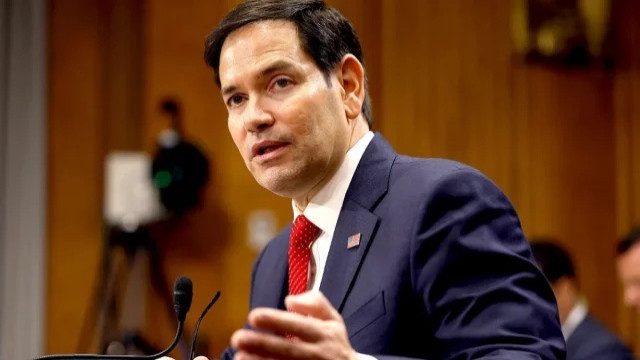
U.S. Secretary of State Marco Rubio has called on countries around the world to join the United States in an effort to "dismantle" the International Criminal Court (ICC), as the Trump administration intensifies its campaign against the Hague-based tribunal.
Speaking on Monday, Rubio accused the ICC of waging "war" against the United States "not with bullets or missiles, but through the weaponization of so-called international law."
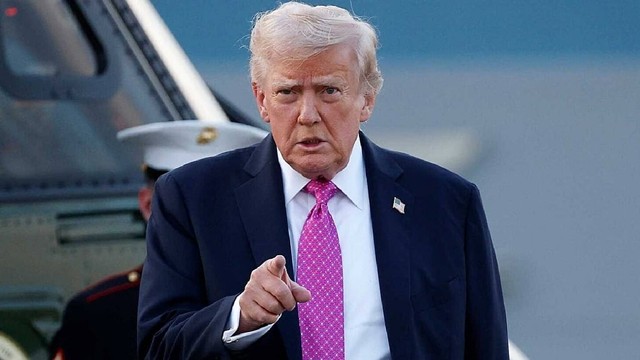
The latest move marks a significant escalation in Washington's long-running dispute with the court, which began during President Donald Trump's first term after the ICC launched an investigation into alleged war crimes involving U.S. forces in Afghanistan. During Trump's second administration, the U.S. has expanded sanctions against ICC officials over investigations involving both the United States and Israel.
The State Department is now leading a broader government effort that seeks not only to isolate the court but also to persuade allied governments to reject its authority. According to a State Department official, countries that rely on U.S. assistance but refuse to reject what Washington calls the ICC's "false jurisdiction" could face closer scrutiny and potentially reduced U.S. support.
In an opinion article published in The Wall Street Journal on Monday, Rubio wrote, "Using every tool at the government's disposal, and with allies who agree with us, we will dismantle the ICC step by step."
The State Department official said possible measures include travel restrictions, visa revocations and expanded economic sanctions.
The official added that countries cooperating with the United States on law enforcement, hosting U.S. military bases or benefiting from U.S. security arrangements are being urged to reject any ICC claims of jurisdiction over American officials and military personnel.
In the opinion piece, Rubio also alleged that the ICC is influenced by "a powerful network of left-wing NGOs, complacent globalists, and anti-American Third World governments."
He rejected accusations that U.S. deportations of migrants to El Salvador or military strikes against alleged narcotics traffickers violated international law. Rubio also dismissed calls by the advocacy group Democracy for the Arab World Now (DAWN) for the ICC to investigate potential U.S. war crimes related to Iran.
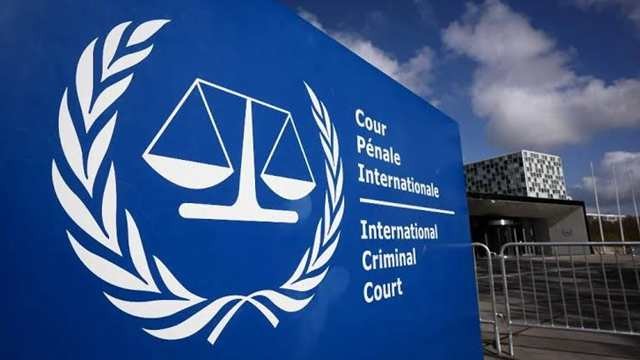
The ICC, based in The Hague, has jurisdiction to investigate crimes committed on the territory of countries that are parties to the Rome Statute, the treaty that established the court in 2002. The United States has signed but never ratified the treaty, and the ICC has not opened investigations into crimes committed on U.S. territory.
Human rights advocate Kenneth Roth criticized the administration's stance, saying Trump appeared to be seeking immunity for U.S. actions even when alleged war crimes occur in countries that recognize the ICC's jurisdiction.
Despite its opposition to the court, the Trump administration has previously supported ICC investigations into alleged Russian war crimes in Ukraine, a state that has accepted the court's jurisdiction.
Under Chief Prosecutor Karim Khan, the ICC has also investigated Israel's military campaign in the Palestinian territories, following Palestine's acceptance of the court's jurisdiction. As part of that investigation, the court issued arrest warrants for Israeli Prime Minister Benjamin Netanyahu and former Defence Minister Yoav Gallant.
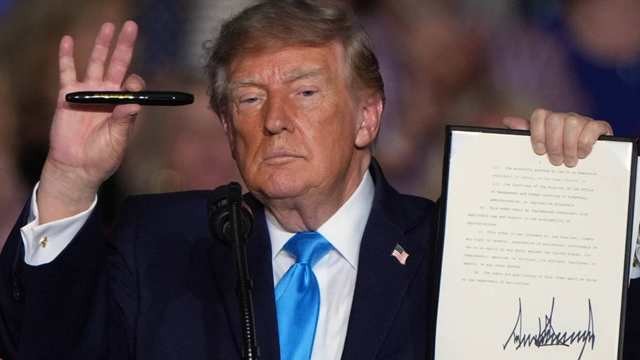
Six weeks into his second term, President Trump signed an executive order describing the ICC's actions against the United States and its close ally Israel as "illegitimate and baseless." The order imposed sanctions on Chief Prosecutor Karim Khan, his two deputies and six ICC judges over investigations involving Israel and U.S. personnel in Afghanistan.
In 2025, the administration broadened those sanctions to include United Nations Special Rapporteur Francesca Albanese and three Palestinian human rights organizations involved in documenting alleged Israeli war crimes in the occupied Palestinian territories.
It remains unclear how Rubio's latest pledge to dismantle the ICC will affect the court's future operations.
A former senior U.S. sanctions official, speaking on condition of anonymity, said Washington is likely to increase diplomatic pressure on foreign governments to distance themselves from the court.
"There are also reports that the administration may impose sanctions on the ICC as an institution," the former official said. "It appears to be a pre-emptive effort to discourage the court from pursuing future cases, whether involving Venezuela or elsewhere."
Such measures could prohibit U.S. citizens and companies from working with or providing services to the ICC, potentially exposing individuals, businesses and financial institutions to penalties or criminal liability under U.S. law.
Raed Jarrar, Advocacy Director at Democracy for the Arab World Now (DAWN), condemned Rubio's remarks in a statement, saying the campaign against the ICC undermines global accountability efforts.
"Rubio's attack not only exposes the United States' double standards but also weakens the pursuit of justice worldwide, from Ukraine to Sudan," Jarrar said. "Rather than dismantling the ICC brick by brick, he is dismantling the rules-based international order that emerged after World War II."