১৬ আশ্বিন ১৪৩৩



U.S. Warned Iran Over Fears Israel Might Target Top Iranian Negotiators, Report Says
04 July 2026 05:07 AM
NEWS DESK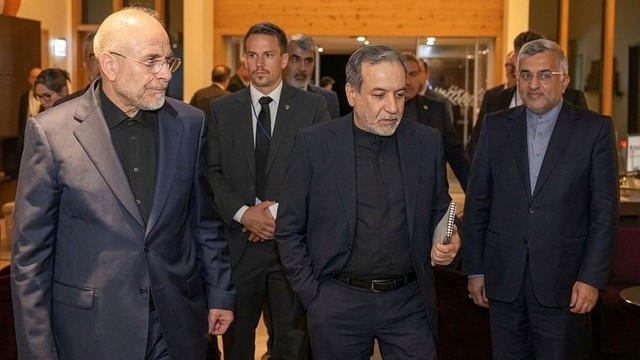
The United States reportedly warned Iran that Israel could target and kill senior Iranian negotiators, amid secret diplomatic efforts by the Trump administration to end the conflict and reopen the Strait of Hormuz, according to current and former U.S. officials.
A report published by The Wall Street Journal says U.S. officials were deeply concerned that Israel might attempt to assassinate Iran’s Foreign Minister Abbas Araghchi and parliamentary Speaker Mohammad Bagher Ghalibaf during sensitive backchannel negotiations.
According to U.S. officials speaking on condition of anonymity, Washington sent indirect warnings to Tehran through intermediaries during the spring, cautioning that Israel may be planning such operations. One official said, “If you kill these people, you are killing the realists,” referring to Iran’s pragmatic negotiating figures.
A diplomat familiar with the discussions said that as early as March, when the Trump administration began exploring diplomatic pathways to end the war, U.S. officials repeatedly urged Israeli counterparts not to carry out strikes against Iran’s political leadership.
Analysts say the episode highlights both the growing tension between the United States and Israel over war strategy and Washington’s limited influence over Israeli decision-making. Aaron David Miller, a former U.S. State Department official and adviser under both Republican and Democratic administrations, said the situation reflects “fundamental differences” between Washington and Jerusalem regarding war objectives, adding that Israel’s leadership appeared determined to derail potential negotiations.
The Israeli embassy in Washington declined to comment on the report. A White House official, when asked, said only that President Donald Trump “wants the peace process to move forward.”
The report also echoes earlier reporting by The New York Times, which suggested U.S. concerns over Israeli actions targeting Iranian leadership figures.
According to the timeline described by officials, the conflict began on February 28 when U.S. and Israeli forces launched operations against Iran. Israeli strikes reportedly killed several Iranian political and military figures, while U.S. forces focused on degrading Iran’s naval and missile capabilities. At the onset of the war, both allies were said to support the idea of regime change in Iran.
However, U.S. officials later reassessed that Iran’s political and religious leadership remained firmly in control, leading to growing strategic divergence between Washington and Tel Aviv.
The disagreement reportedly became more pronounced after the March killing of Ali Larijani, a senior Iranian official involved in national security discussions. A Western official said the event disrupted potential diplomatic channels, noting that Washington had been seeking Iranian figures with whom it could negotiate.
In subsequent months, Araghchi and Ghalibaf emerged as key interlocutors in U.S.-backed efforts to reach a ceasefire and develop a framework agreement aimed at ending the conflict. The proposed deal reportedly included easing sanctions in exchange for limits on Iran’s nuclear program.
However, the agreement faced opposition from Israeli officials and pro-Israel lobbying groups in Washington, who argued it undermined Prime Minister Benjamin Netanyahu’s objective of regime change and provided Iran with economic relief.
President Trump, speaking in March, acknowledged that Israeli strikes were complicating diplomatic efforts. “It makes it a little difficult,” he said at the time. “They’ve taken out a lot of people. I don’t want them killed.”
Reports from regional media and Fars News Agency also claimed that Ghalibaf was present at a building targeted during a previous 12-day conflict, while The New York Times reported that he narrowly survived another Israeli strike on an underground meeting of senior Iranian officials.
The targeting of senior figures, including Ghalibaf, Mojtaba Khamenei, and other officials, has raised concerns among analysts that continued escalation could further destabilize Iran’s political system and intensify regional retaliation risks.