২২ আশ্বিন ১৪৩৩



Anti-Muslim Threats and Attacks Raise Security Concerns Across the United States
08 July 2026 05:07 AM
NEWS DESK
Incidents of anti-Muslim violence, threats against mosques and Islamic community centers, and other acts of Islamophobia have risen across the United States, heightening fears within the country's Muslim community.
In May this year, one person was killed in a shooting at the Islamic Center of San Diego, the largest mosque in San Diego, California, in what authorities described as an attack carried out by a local right-wing extremist. The incident is regarded as one of the most serious attacks on a U.S. mosque in recent years.
Tajhiz Nizam, Executive Director of the San Diego chapter of the Council on American-Islamic Relations (CAIR), said the mosque had previously maintained an open-door policy but has since tightened security, requiring visitors to verify their identities before entering.
"Many people no longer feel safe in public spaces," Nizam said.
Within the past two weeks, security-related incidents were reported at two mosques in Connecticut and Michigan. A similar incident also occurred at a mosque in Vancouver, Canada.
The series of attacks and threats has left many Muslims across North America increasingly concerned about their safety, particularly following high-profile incidents that often raise fears of copycat attacks.
According to a 2025 report by CAIR, the organization received 8,658 complaints of anti-Muslim and anti-Arab discrimination and bias in 2024—the highest number since it began tracking such data in the 1990s. About 7.5 percent of those complaints involved alleged hate crimes.
The organization said preliminary data for 2025 indicate that incidents of Islamophobia remain at similarly elevated levels.
While anti-Muslim discrimination has long existed in the United States, advocacy groups say incidents have increased significantly since the outbreak of the war in Gaza in 2023.
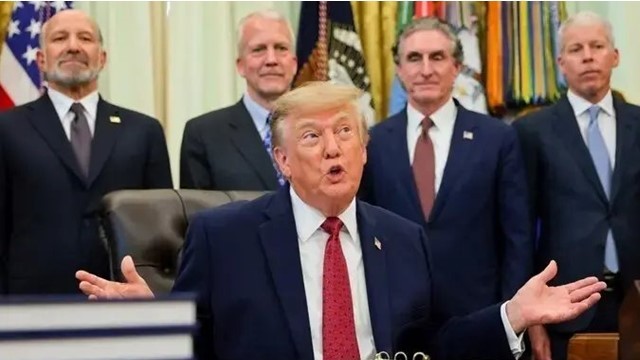
The report also argues that political rhetoric has contributed to growing hostility toward Muslims. It notes that during his first term, President Donald Trump introduced a travel ban affecting several Muslim-majority countries through one of his first executive orders. Critics have also linked his recent comments on Iran and Minnesota's Somali community to heightened anti-Muslim sentiment.
Over the past four years, Minnesota has recorded the highest number of reported attacks and threats targeting mosques, with 44 documented incidents, while California has reported eight during the same period.
Last Tuesday, a Somali imam from Minnesota was detained in Texas by U.S. Immigration and Customs Enforcement (ICE). Authorities have not publicly disclosed the reason for his detention.
Adan Suleiman, Deputy Executive Director of CAIR-Minnesota, told The New Arab that anti-Muslim incidents are becoming increasingly personal for many families.
"These incidents are happening close to home. Almost everyone now knows someone who has been affected," he said. "People are no longer living without fear. Even when someone goes to a mosque to worship, they wonder whether something might happen to them."
In response to the growing threats, mosques across the United States have increased security measures. Some have upgraded fire protection systems, while others have hired armed security personnel.
Despite the challenges, Muslim community leaders say they have also received strong support from their non-Muslim neighbors. Following recent attacks, many local residents sent flowers and messages of solidarity to affected mosques.
The La Mirada Mosque in Southern California recently received a threatening letter. Nevertheless, mosque president Rezaur Rahman said the mosque will proceed with its annual open house scheduled for October.
"We don't just live in this community," Rahman said. "We are part of this community."