১৭ আশ্বিন ১৪৩৩


Reuters/Ipsos Poll
Trump’s Approval Rating Falls to Record Low as Americans Fear Prolonged Iran Conflict
19 August 2026 05:08 AM
NEWS DESK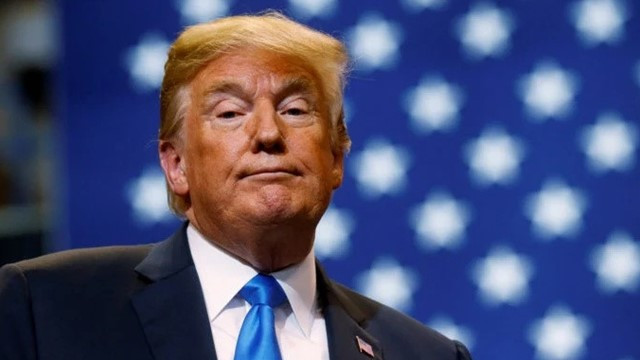
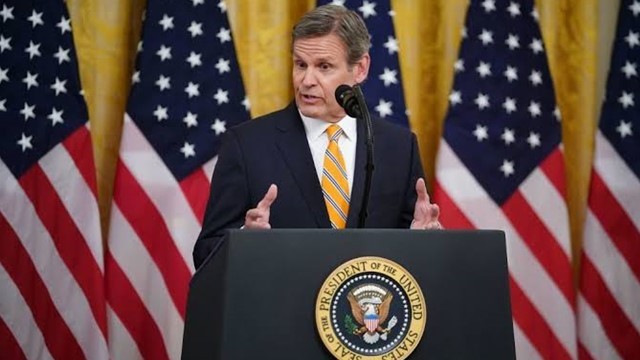
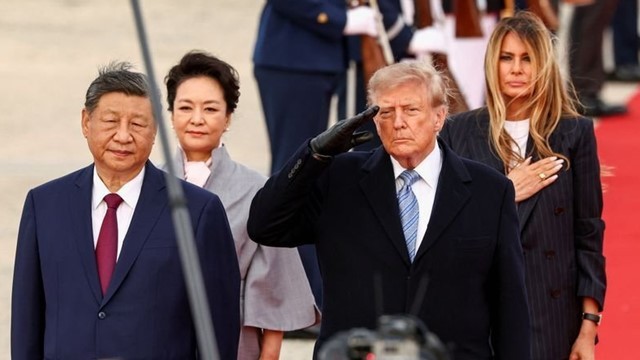
U.S. President Donald Trump’s approval rating has dropped to 33 percent, the lowest level of his current term, while a large majority of Americans believe the conflict with Iran could become a prolonged war, according to the latest Reuters/Ipsos poll.
The four-day survey, which concluded on Monday, found that only 33 percent of Americans approve of Trump's performance as president, while 64 percent disapprove.
Earlier this month, the Reuters/Ipsos poll recorded Trump's approval rating at 35 percent. The latest results mark a two-point decline, bringing his popularity to its lowest level since returning to the White House for a second term.
The figure also matches the lowest approval rating recorded during Trump's first presidency in December 2017.
Trump began his second term in 2025 with support from nearly half of the American public. However, his approval ratings have declined sharply following the United States' joint military operations with Israel against Iran.
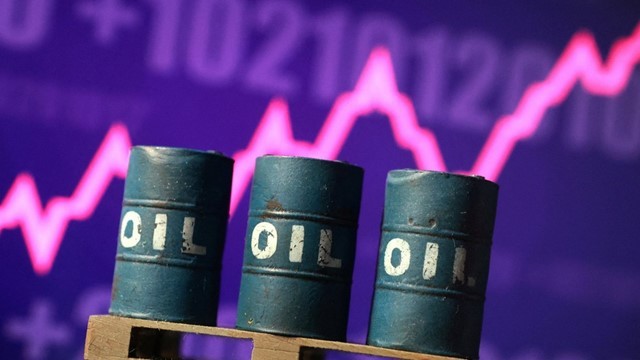
The conflict has also disrupted global energy markets, affecting nearly one-fifth of the world's oil trade. Rising fuel prices in the United States have increased financial pressure on American households and could have political consequences for Trump's Republican Party ahead of the November midterm elections.
During his election campaign, Trump pledged to control inflation and avoid dragging the United States into prolonged overseas wars. Although he initially predicted that the conflict with Iran would end within weeks, Tehran has continued its resistance, while disruptions to oil shipments through the Strait of Hormuz have prolonged the economic impact despite a reduction in the intensity of fighting.
According to the Reuters/Ipsos survey, 80 percent of Americans believe U.S. military involvement in Iran will continue for an extended period. That view is shared by 87 percent of Democrats and 71 percent of Republicans.
In contrast, only 16 percent of respondents believe the conflict will end within a few weeks.
Trump has defended higher fuel prices as a necessary cost of preventing Iran from acquiring nuclear weapons. Speaking at a political rally in Garden City, New York, on Friday, he argued that Americans should be willing to pay "a little more" for energy to stop what he described as a "very evil" state from obtaining nuclear arms.
Despite that argument, public support for the war remains limited. The Reuters/Ipsos poll found that only one in five Americans believes launching military action against Iran was justified. Even among Republicans, only about half support the conflict.
Growing concerns over the duration of the war and rising energy costs are also creating challenges within the Republican Party. The issues could complicate the party's efforts to defend its narrow majority in the House of Representatives in the Nov. 3 midterm elections.
Meanwhile, Democrats are increasingly optimistic about their chances of regaining control of both the House and the Senate. As a result, the Iran conflict, rising fuel prices, and Trump's declining approval ratings are expected to become central issues in the upcoming U.S. midterm election campaign.