[email protected]
সোমবার, ৫ অক্টোবর ২০২৬
২০ আশ্বিন ১৪৩৩
২০ আশ্বিন ১৪৩৩

Monday, 5th October 2026


China Condemns Trump’s ‘Economic D-Day’ Against Iran
21 August 2026 12:08 PM
NEWS DESK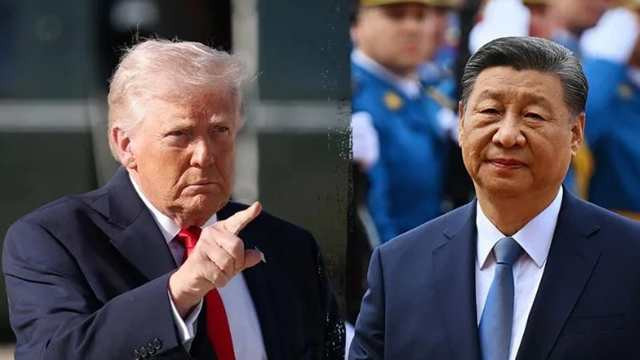
China has strongly opposed and criticized US President Donald Trump’s proposed “economic D-Day” against Iran, warning that imposing additional sanctions and maximum economic pressure will not help resolve the ongoing global or diplomatic crisis.
Chinese Foreign Ministry spokesperson Lin Jian expressed Beijing’s position during a regular press briefing in Beijing on Thursday, according to Al Jazeera.
The term “economic D-Day” is being used to describe an extreme campaign of economic and trade restrictions designed to put maximum pressure on a country.
Lin said that forcibly imposing sanctions or applying excessive pressure does not provide a lasting solution to international disputes. He urged all parties involved to act responsibly and stressed that diplomatic negotiations and political solutions are the only viable way to resolve the current crisis.
“China calls on all relevant parties to act responsibly. The complexities can only be resolved through diplomatic dialogue and political solutions,” Lin said.
If Trump’s proposed economic measures against Iran are implemented, China could face one of the biggest economic impacts because it is the dominant buyer of Iranian oil.
According to 2025 data from market analytics firm Kpler, China purchases more than 80% of Iran’s seaborne crude oil exports.
Beijing therefore believes that a policy aimed at economically isolating Iran could have consequences far beyond Tehran, particularly by increasing volatility in global energy markets.
China has repeatedly opposed unilateral sanctions and what it describes as excessive economic pressure, arguing that diplomatic engagement is more effective in addressing international disputes.
The latest disagreement highlights growing tensions between Washington and Beijing over how the Iranian crisis should be addressed, with China favoring negotiations and political engagement rather than intensified economic restrictions.
Advertisement