১১ আশ্বিন ১৪৩৩



Muslim Political Representation in the US Gains Momentum Despite Rising Islamophobia
13 August 2026 07:08 AM
NEWS DESK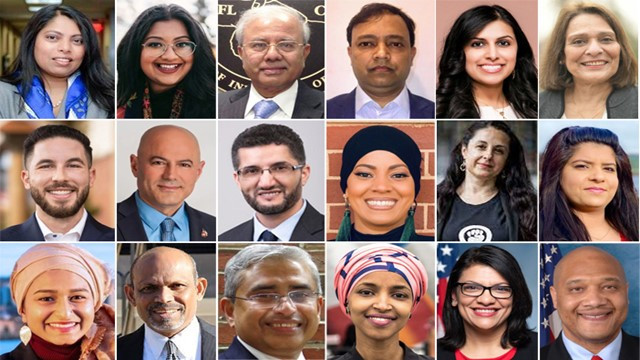
Despite renewed political attacks and anti-Muslim rhetoric ahead of the United States midterm elections, two prominent Muslim Democrats—Representative Ilhan Omar and Egyptian American physician Dr. Abdul El-Sayed—have emerged with significant electoral victories, underscoring the growing influence of Muslim leaders in American politics.
For Muslim candidates in the post-9/11 political landscape, proving their political legitimacy has often been a formidable challenge, particularly for those who openly criticize Israeli policies or speak out on the humanitarian crisis in Gaza. Yet recent Democratic primary victories suggest a shifting political landscape.
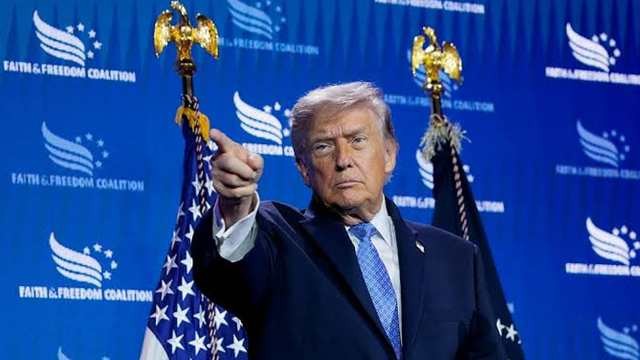
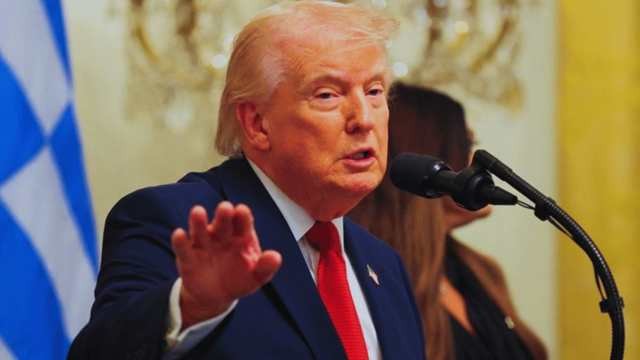
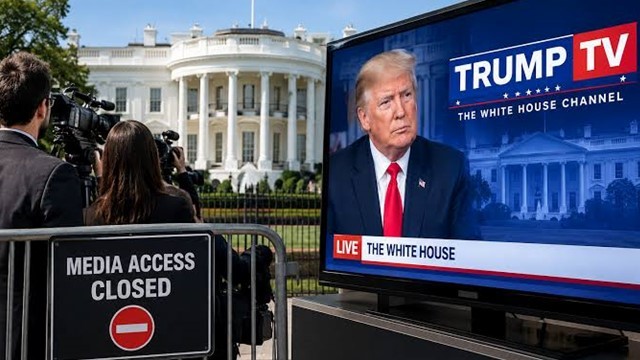
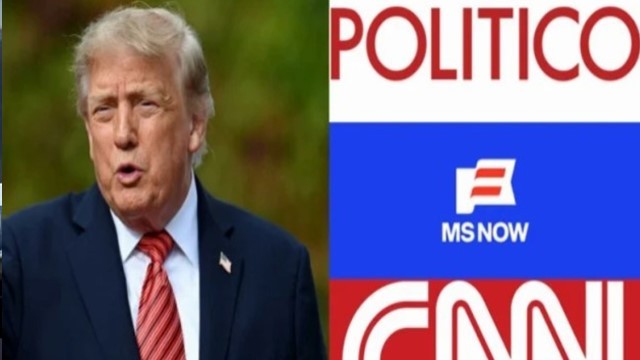
As campaigning intensifies, President Donald Trump has escalated his criticism of Democratic candidates. On Tuesday, following Dr. Abdul El-Sayed's victory in the Michigan Democratic Senate primary, Trump referred to Democratic candidates as "jihadists" during remarks at the White House.
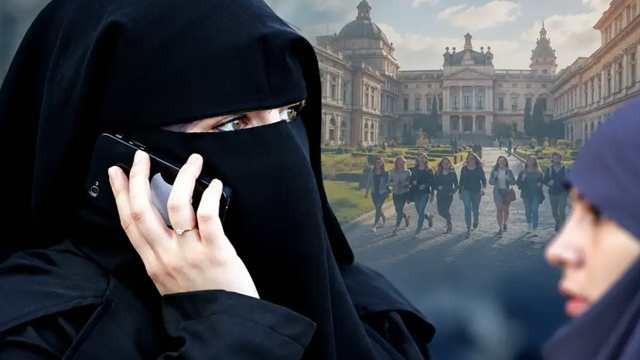
Although he did not mention El-Sayed by name during his Oval Office comments, Trump later posted several messages on Truth Social targeting the Democratic nominee. In one post, he shared a photograph of El-Sayed alongside two women wearing hijabs, claiming the candidates sought to "take over" the homes and property of ordinary Americans.
Trump had previously accused El-Sayed of antisemitism and warned that his political rise would bring "crime, destruction, and shame" to the United States. He also made controversial remarks about Somali Americans.
Trump was not alone in using inflammatory language. Several Republican lawmakers echoed similar sentiments.
South Carolina Representative Nancy Mace wrote on social media that "every Muslim in public office is a Trojan horse and a threat to national security."
Meanwhile, Alabama Senator Tommy Tuberville described El-Sayed as a "terrorist" and a "radical Islamist," further fueling concerns about anti-Muslim rhetoric in the political arena.
In Minnesota, Democratic Representative Ilhan Omar won her party's primary by a commanding margin, receiving more than 80 percent of the vote in the state's 5th Congressional District.
First elected to the US House of Representatives in 2019, Omar made history as one of the first two Muslim women elected to Congress and the first Somali American to serve in the House. A former refugee and a leading member of the Democratic Party's progressive "Squad," she has become one of the most prominent voices on immigration reform, universal healthcare, and US policy toward Israel.
Political analysts say her decisive victory not only secures her nomination but also strengthens the influence of progressive Democrats ahead of the November elections.
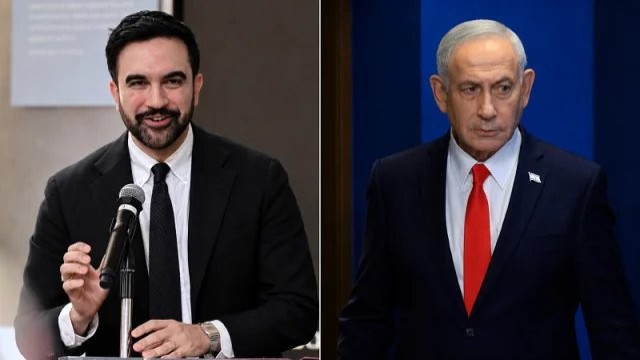
In Michigan, Dr. Abdul El-Sayed defeated Representative Haley Stevens in the Democratic Senate primary, bringing him closer to becoming the first Muslim elected to the US Senate.
His victory came despite unprecedented outside spending by pro-Israel political organizations. The American Israel Public Affairs Committee (AIPAC) and affiliated groups reportedly spent nearly $30 million opposing his campaign, while outside groups supporting Stevens spent approximately $50 million overall.
During the final five weeks of the campaign alone, nearly $26.9 million was spent on television advertising supporting Stevens, compared with just $2.1 million for El-Sayed. Despite the financial disparity, Democratic voters in Michigan chose El-Sayed as their nominee.
Although Muslim lawmakers such as Ilhan Omar, Rashida Tlaib, and André Carson currently serve in the US House of Representatives, no Muslim has ever been elected to the 100-member US Senate.
If El-Sayed wins the general election in November, he will become the first Muslim American senator in US history—an achievement widely viewed as a milestone for religious and ethnic representation in American politics.
For decades after the September 11 attacks, Muslim candidates in the United States frequently faced questions about their loyalty and national security credentials. Those who expressed support for Palestinian rights or criticized Israeli military actions often encountered significant political opposition.
The recent electoral success of Omar and El-Sayed, both outspoken critics of US policy toward Israel and advocates for Palestinian rights, signals a changing political environment where progressive voters appear increasingly willing to support candidates despite sustained political attacks.
During a recent roundtable discussion hosted by Muslim Girl, Representative Rashida Tlaib said that nearly 200 Muslim Americans have been elected to public office across the country since she and Omar entered Congress in 2019.
She said the growing representation has encouraged many Muslim Americans to embrace their identity rather than conceal it.
Reflecting on the changing political climate, Omar noted that Muslim candidates were once advised to downplay their religious identity during campaigns. Today, she said, younger candidates are increasingly succeeding while openly embracing their faith.
Closing the discussion, Dr. El-Sayed said, "When Muslim candidates break new ground, they don't just create opportunities for Muslims—they make it easier for candidates of every ethnic and religious background. It proves that America does not belong to a single mold."
The growing presence of Muslim leaders in American politics, observers say, represents more than electoral success. It reflects the increasing visibility of communities whose voices have long been marginalized and marks a broader shift toward greater political diversity in the United States.