The issue triggered widespread discussion and criticism following Tuesday’s parliamentary session, with many questioning why MPs would demand vehicles despite already receiving substantial transport allowances.
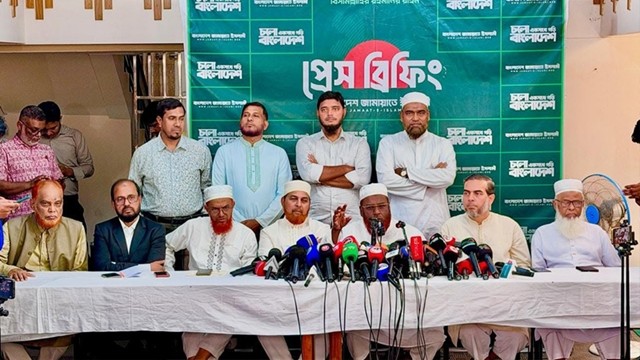
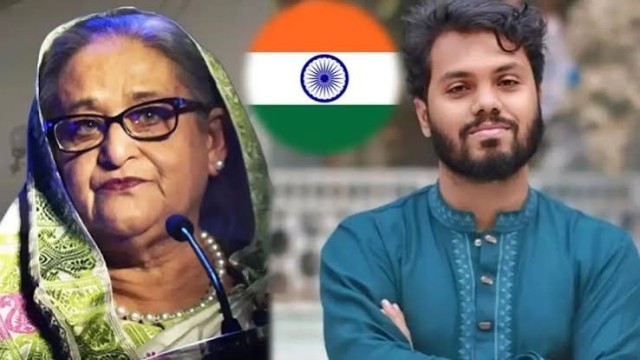
Jamaat-e-Islami had previously declared, months before the national election, that its MPs would not accept duty-free cars or government land plots. On November 7, 2025, at a party event in Sylhet, Shafiqul Rahman stated that if any of their candidates were elected, they would refuse such benefits. Critics are now questioning why Hasnat, an MP from the Jamaat-led 11-party alliance, raised the demand for vehicles.
After Hasnat’s proposal, Home Minister Salahuddin Ahmed referred to a decision by the BNP parliamentary party. At their first meeting on February 17, following the formation of the government, Prime Minister Tarique Rahman instructed BNP MPs not to accept duty-free cars or government land plots. However, he also suggested that a solution regarding transportation arrangements for MPs could be discussed.
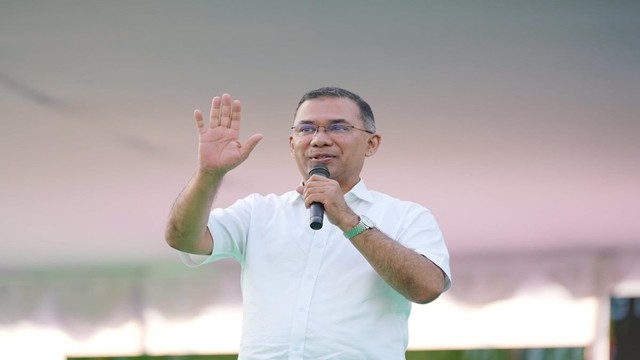
Amid criticism, Hasnat Abdullah clarified his position in Parliament on Wednesday. He said his statement had been misrepresented in the media. According to him, he supports the decision not to accept duty-free cars or plots. Instead, he proposed that MPs should be provided vehicles through the same process used for government officials such as district council chairmen, sub-district chairmen, mayors, deputy commissioners, sub-district executive officers, and assistant commissioners for land. He emphasized that he did not request duty-free vehicles.
However, Iftekharuzzaman, Executive Director of Transparency International Bangladesh, disagreed. He said that since MPs already receive 70,000 taka monthly for transportation, there is no justification for demanding vehicles. He added that rejecting duty-free cars while requesting vehicles through other means is not ethically acceptable and shows a failure to distinguish between elected representatives and government officials.
Debate Over Designated Offices
The discussion also extended to another issue. On March 31, NCP MP Atiqur Rahman Mojahid proposed that MPs be given designated office space in their constituencies. In response, on Tuesday, State Minister for Local Government Mir Shah Alam announced that, under the direction of Prime Minister Tarique Rahman and advice from Local Government Minister Mirza Fakhrul Islam Alamgir, each sub-district council building will have a room prepared on the second floor for MPs and ministers, to be called an “Inspection Room.”
While thanking the government for this initiative, Hasnat again raised the demand for vehicles, receiving support from several MPs.
Political observers warn that such arrangements could weaken local government institutions by increasing MPs’ control over them. Iftekharuzzaman also expressed concern, saying this would undermine the role and development of local government and could indicate either a lack of understanding or an intention to misuse power.
Existing Benefits for MPs
The debate has also drawn attention to the benefits MPs already receive under the “Members of Parliament (Remuneration and Allowances) Order, 1973.”
According to the law:
- Monthly salary: 55,000 taka
- Transport allowance: 70,000 taka
- Constituency allowance: 12,500 taka
- Entertainment allowance: 5,000 taka
- Telephone allowance: 7,800 taka
- Laundry allowance: 1,500 taka
- Medical allowance: 700 taka
All allowances are tax-free. MPs also receive:
- 15,000 taka monthly for constituency office maintenance
- 6,000 taka for household items
- Travel allowances for attending parliamentary sessions and committee meetings
- Daily allowances during official duties in the capital
Additionally, MPs are entitled to:
- One duty-free car, jeep, or microbus every five years
- Up to 500,000 taka annually in discretionary funds
- 120,000 taka travel allowance per year
- Life insurance coverage worth 1 million taka
The ongoing debate highlights broader concerns about accountability, ethical standards, and the balance of power between elected representatives and government institutions.