[email protected] শনিবার, ৬ জুন ২০২৬
২৩ জ্যৈষ্ঠ ১৪৩৩

Bangladesh Khilafat Andolan Signals Exit from Jamaat-Led 11-Party Alliance

06 June 2026 20:06 PM

NEWS DESK

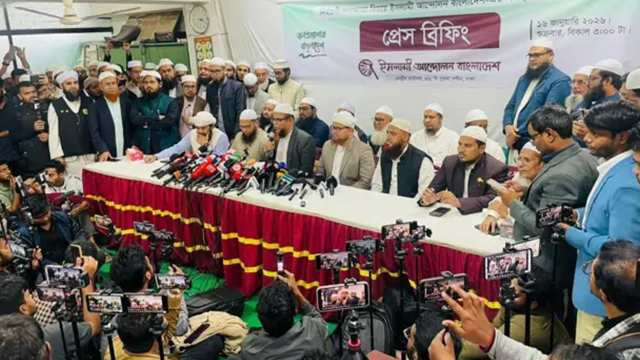
File Photo

Bangladesh’s Jamaat-e-Islami-led 11-party alliance is facing another setback as Bangladesh Khilafat Andolan has announced its decision to leave the coalition, following the earlier departure of Islami Andolan Bangladesh.

Senior leaders of Bangladesh Khilafat Andolan cited disagreements over political ideology, electoral seat-sharing arrangements, and the alliance’s decision-making process as the primary reasons behind the split.

According to party leaders, the alliance was initially formed as an electoral understanding ahead of the 13th National Parliamentary Election. However, tensions emerged when Bangladesh Khilafat Andolan sought concessions in around ten constituencies but failed to secure even a single seat from Jamaat-e-Islami during negotiations.

Speaking to local media, Khilafat Andolan Deputy Amir Maulana Mujibur Rahman Hamidi said the alliance had effectively become inactive for his party since the election period.

“First and foremost, it was an electoral arrangement. Since there was no meaningful understanding regarding the election, we contested separately. In a sense, we have not been part of the alliance since then,” he said.

Hamidi added that the party has not participated in any meetings or programs of the 11-party alliance since the election campaign began.

Leaders of Bangladesh Khilafat Andolan have also accused Jamaat-e-Islami of maintaining unilateral control over the coalition. They claim Jamaat frequently imposed decisions on alliance partners, determined political programs independently, and failed to engage coalition members adequately through liaison committees.

Party Secretary General Yusuf Sadiq Haqqani said a final decision regarding the party’s formal status within the alliance would be taken at a meeting of its executive council scheduled for June 10.

“Our understanding was primarily electoral. The election is now over, and there was no satisfactory agreement on seat-sharing. We will finalize our position regarding the alliance at our upcoming meeting,” Haqqani said.

The alliance emerged in the aftermath of the July–August 2024 student-led uprising, when several Islamist parties initiated efforts to build a broader political platform aimed at promoting a greater role for Islamic governance and values in Bangladesh’s political system.

Initially launched under the banner of “Eight Parties in Movement,” the coalition gradually expanded and evolved into an 11-party electoral alliance. Its strategy centered on a “One Box Policy,” under which a single opposition candidate would contest in each constituency to maximize electoral strength and avoid vote splitting.

However, disputes over constituency allocations and political influence began surfacing shortly after the alliance was formed. Differences between Jamaat-e-Islami and Islami Andolan Bangladesh over seat-sharing negotiations eventually led Islami Andolan Bangladesh to withdraw from the coalition on January 16 this year.

At the same time, other political groups, including the National Citizen Party (NCP) and Bangladesh Labour Party, joined the broader political alignment, reshaping the coalition’s electoral landscape.

The latest move by Bangladesh Khilafat Andolan highlights continuing challenges to maintaining unity among Bangladesh’s Islamist political parties ahead of future political contests.


Comments Here:

Related Topic