৮ আশ্বিন ১৪৩৩



Bangladesh, China Expected to Sign Major Solar Energy Agreement During Prime Minister’s Visit
24 June 2026 04:06 AM
NEWS DESK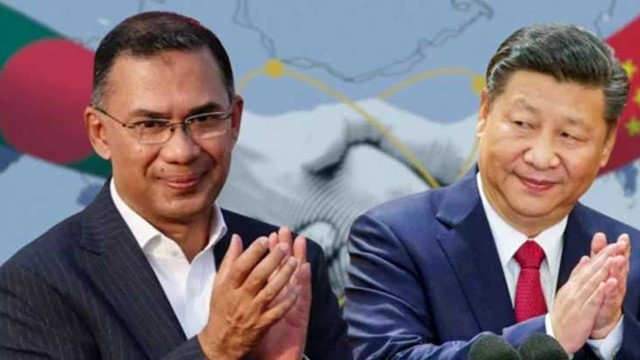
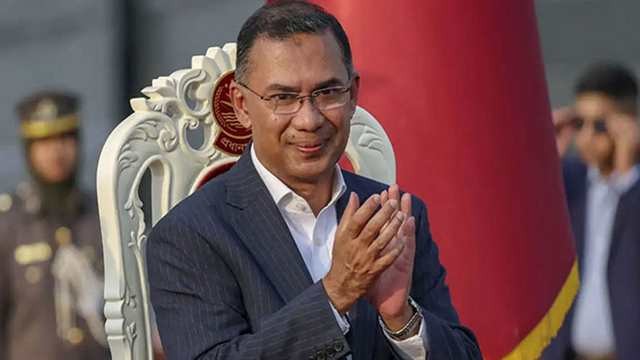
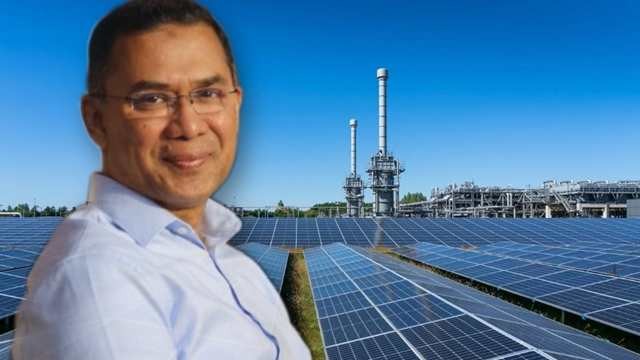
A major agreement between Bangladesh and China aimed at advancing the country’s solar energy sector is expected to be signed during Prime Minister Tarique Rahman’s ongoing visit to China, according to Nurul Islam Moni, Chief Whip of the National Parliament.
Speaking as the chief guest at a discussion held in Gulshan, Dhaka, on Tuesday, Moni said that although a final decision had not yet been announced, significant progress was being made toward a solar energy partnership with China.
“Our Prime Minister is currently in China. The decision has not been finalized yet, but you will see a major agreement regarding our solar sector,” he told participants at the event.
The dialogue, titled “Pakistan’s Solar Revolution: Lessons for Bangladesh from a National Budget Perspective,” was organized by the Center for Policy Dialogue (CPD).
Moni said the government is committed to supporting the development of the renewable energy sector and considers it a key component of ensuring sustainable and affordable electricity for the country. He added that renewable energy is being given top priority as part of broader efforts to improve public welfare and build a welfare-oriented state.
The Chief Whip also expressed his willingness to support parliamentary discussions related to renewable energy, noting that members of parliament interested in raising the issue would receive cooperation from his office.
At the event, Muhammad Basit Ghauri, Chief Programs and Initiatives Specialist Manager at Pakistan-based clean energy organization Renewables First, presented a paper titled “Pakistan’s Solar Boom: What Comes Next and Who Is Following?”
Ghauri said Pakistan has experienced a major transformation in its renewable energy sector, largely driven by off-grid and privately financed initiatives. He noted that approximately $13 billion has been invested in the sector—nearly twice the value of the country’s International Monetary Fund (IMF) loans.
According to Ghauri, one of the key differences between Pakistan and Bangladesh is that most of the investment in Pakistan did not come from banks. Instead, middle-class and rural households financed solar installations with their own resources. He added that the sector has generated employment opportunities for around 500,000 people across the country.
Analysts believe that a potential Bangladesh-China solar energy agreement could accelerate the country's transition toward renewable energy and help diversify its power generation sources in the coming years.