৯ কার্তিক ১৪৩৩


Bangladesh Needs Additional $421 Billion to Achieve SDGs by 2030
27 July 2026 05:07 AM
NEWS DESK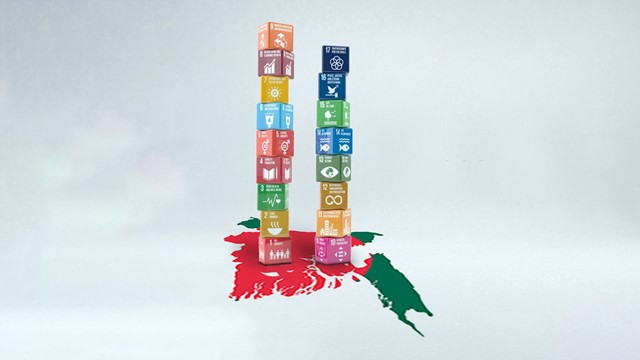
Bangladesh will require an additional $421 billion over the next five years to achieve the Sustainable Development Goals (SDGs), according to the government's updated SDG Financing Strategy.
The estimate was presented on Sunday at the National Validation Workshop on the Development Finance Assessment (DFA) and SDG Financing, organized by the Economic Relations Division (ERD) with support from the United Nations Development Programme (UNDP) and the UN Resident Coordinator's Office in Bangladesh.
Presenting the keynote paper, Dhaka University economics professor Dr. Selim Raihan said Bangladesh would need the additional financing between fiscal years 2026-27 and 2029-30. He said the bulk of the funds would have to come from domestic public and private sources, climate finance, and international partnerships.
ERD officials said the workshop reviewed the findings of the Development Finance Assessment report and the updated SDG Financing Strategy. The DFA is an internationally recognized framework that helps align financing policies, institutions, and financial flows with national development priorities.
Speaking as the chief guest, ERD Secretary Md. Shahriar Kader Siddiky said the remaining period for achieving the SDGs would be highly challenging due to a significant financing gap, limited time, and an uncertain global economic environment. He stressed the need for clear priorities, coordinated efforts, and effective implementation.
UN Resident Coordinator in Bangladesh Carol Flore-Smereczniak said shrinking global development finance made it even more important for Bangladesh to mobilize domestic resources by increasing the tax-to-GDP ratio and encouraging private sector investment aligned with the SDGs.
UNDP Deputy Resident Representative Sonali Dayaratne emphasized that closing the financing gap would require stronger financing policies and partnerships, adding that sustainable development financing must involve government agencies, development partners, the private sector, and civil society from the planning stage.
The workshop brought together representatives from government ministries, development partners, the banking sector, academia, and civil society. Feedback from participants will be incorporated before finalizing the Development Finance Assessment and the updated SDG Financing Strategy.