৮ আশ্বিন ১৪৩৩



11-Party Alliance Nominates Oli Ahmad for Bangladesh Presidential Election
10 August 2026 05:08 AM
NEWS DESK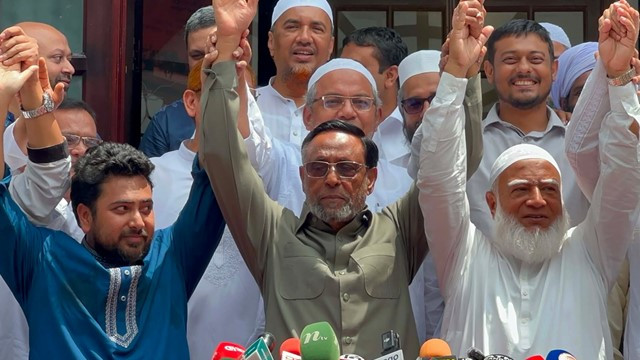
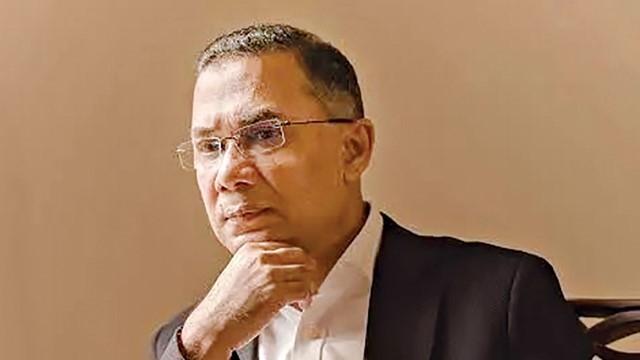
An 11-party political alliance led by Bangladesh Jamaat-e-Islami has announced that it will contest the upcoming presidential election, nominating Liberal Democratic Party (LDP) Chairman Col. (Retd.) Oli Ahmad as its candidate.
The announcement was made on Sunday by Nahid Islam, convener of the National Citizen Party (NCP), during a press conference held at the official residence of the Leader of the Opposition on Minto Road in Dhaka.
The decision followed a meeting of the alliance's top leaders chaired by Jamaat-e-Islami Ameer and Leader of the Opposition Shafiqur Rahman. The meeting began at around 11:30 a.m.
Representatives from the alliance included Jamaat-e-Islami, the National Citizen Party (NCP), Bangladesh Khelafat Majlis, Bangladesh Nezame Islam Party, Bangladesh Development Party, Jatiya Ganatantrik Party (JAGPA), Liberal Democratic Party (LDP), Amar Bangladesh Party (AB Party), and Bangladesh Labour Party, among others.
Speaking after being nominated, Oli Ahmad thanked the alliance and the people of Bangladesh for their confidence in him.
"I am grateful to all 11 parties and to the people of Bangladesh. They believe that, as a freedom fighter and a tested public figure, I am qualified for this responsibility. There are no allegations of corruption against me, nor any questions regarding my educational qualifications. I have led an honorable life, and everyone has unanimously proposed my name. Through you, we want to assure the nation that we will never betray its trust and will always stand with the people to protect their interests," he said.
Alliance Criticizes Government Over Constitutional Reform
Nahid Islam said the alliance meeting also discussed the BNP government's post-election policies, implementation of the July Charter, the referendum mandate, and broader constitutional reforms.
He said discussions on the July Charter had previously included proposals for a new method of electing the president, aimed at ensuring the selection of a broadly acceptable candidate while strengthening the balance of power and expanding the constitutional authority of the presidency.
According to Nahid, the alliance had expected the president to be elected under the framework outlined in the July Charter following the general election.
"Nearly 70 percent of voters supported the July Charter in the referendum. We expected that mandate to be respected through implementation of the charter, the formation of the Constitutional Reform Council, and the election of a new president under a reformed constitution," he said.
Nahid accused the government of ignoring the referendum results, alleging that it had failed to implement the July Charter, had not convened the Constitutional Reform Council, and was attempting to politicize state institutions, including the Election Commission.
Questions Over Presidential Transition
Nahid also criticized the government's handling of the presidency following the resignation of former President Mohammad Shahabuddin, arguing that the previous president should have been removed much earlier.
He questioned why the government had allowed Shahabuddin to remain in office for several additional months before his resignation and suggested that the circumstances surrounding his departure could raise concerns about future constitutional and political processes, particularly regarding the role of the president during future transfers of power.
Nahid further alleged that the BNP had historically sought to maintain influence over political transitions, contributing to constitutional and political crises in the past.
Why Oli Ahmad?
Explaining the nomination, Nahid described Oli Ahmad as an experienced politician, a decorated freedom fighter, and a former cabinet minister who has served multiple terms as a member of parliament.
He said the alliance selected Oli Ahmad based on his long political career, his contributions during Bangladesh's Liberation War, and his experience in public administration.