[email protected]
শুক্রবার, ২৩ অক্টোবর ২০২৬
৭ কার্তিক ১৪৩৩
৭ কার্তিক ১৪৩৩

Thursday, 22nd October 2026


Government Wants to Get Rid of Gas Import Dependency: PM's Press Secretary
07 September 2026 05:09 AM
NEWS DESK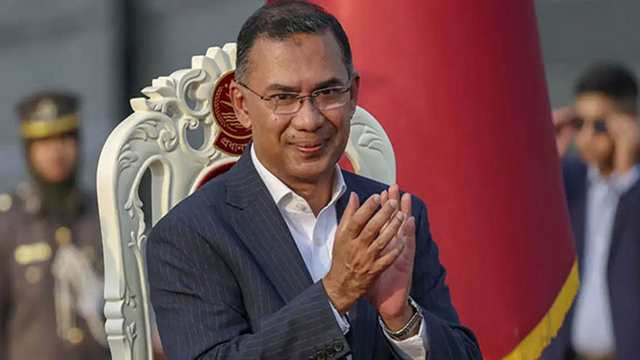
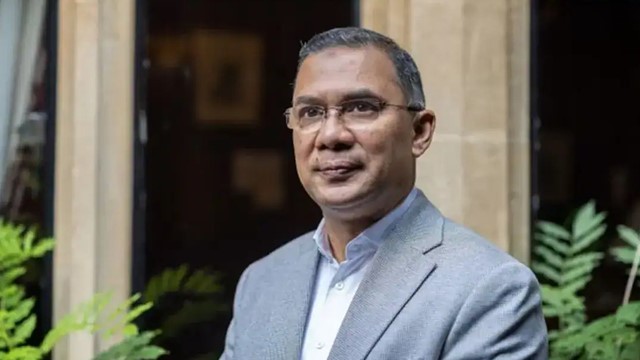
The government wants to find a permanent solution to Bangladesh's gas crisis by reducing dependence on imported gas and increasing supplies from domestic sources, Prime Minister's Press Secretary and Prime Minister's Office Spokesperson Abu Abdullah M Saleh said on Sunday.
"We want to find a permanent solution to the gas crisis. Instead of becoming fully dependent on imported gas, we want to collect gas from our own sources so that such problems do not arise in the future," he said.
Saleh made the remarks while addressing the inaugural ceremony of the 'ERF Language Club' at the Economic Reporters' Forum (ERF) auditorium in Dhaka as the chief guest.
He said the current gas, electricity and oil crises were closely interconnected.
"Gas, electricity and oil are like siblings. They are interconnected. When we need electricity, we also need gas," he said.
Bangladesh's gas suppliers were currently facing difficulties in supplying gas because of the ongoing war, he said.
The government did not want to make excuses and instead wanted to take responsibility for addressing the problems, Saleh said.
"The Prime Minister has said that we have come to take responsibility for running the government and we do not want to make any excuses," he said.
Referring to the energy crisis during the Russia-Ukraine war in 2022, Saleh said Bangladesh had changed office hours and kept schools closed on some days because of the fuel crisis.
"If a government that had been in power continuously since 2009 had to change office hours when the war broke out, this government, which has been in office for only six months, cannot be held responsible for all the problems of the past," he added.
He stressed responsible action to find permanent solutions to the country's problems.
On language skills, Saleh said the government wanted young people to learn three to four languages so they could work for institutions around the world while remaining in Bangladesh.
He urged the ERF to take the lead in organising language-learning programmes for its members.
Technological advances had made it possible to exchange information instantly from anywhere in the world, turning the once-unimaginable concept of a "global classroom" into reality, he said.
"Therefore, learning multiple languages should be given priority to enable young people to participate fully in the global community," he said, calling for cooperation from public and private institutions.
ERF founding convener and The Financial Express Editor and Chief Executive Officer (CEO) Shamsul Haque Zahid said English should be prioritised in daily reporting, while basic knowledge of Chinese, Japanese, French and other languages could help journalists communicate with foreign nationals in Bangladesh.
Headman Academy Founder and CEO Md Imam Hossain welcomed the initiative, saying language learning was most effective when taught in an enjoyable manner.
ERF President Daulat Akter Mala said the forum had long planned to establish a language club to give members opportunities to practise different languages.
"Language skills make daily reporting easier and help journalists communicate with embassy officials and other foreigners," she said.
She added that the ERF was also seeking cooperation from different embassies, if necessary, to create opportunities for learning multiple foreign languages.
ERF General Secretary Abul Kashem moderated the programme.
Advertisement