[email protected]
শনিবার, ২১ নভেম্বর ২০২৬
৬ অগ্রহায়ণ ১৪৩৩
৬ অগ্রহায়ণ ১৪৩৩

Friday, 20th November 2026


India Reiterates Its Position on Bangladesh, Hasina’s Extradition and Ganges Water Treaty
20 November 2026 23:11 PM
NEWS DESK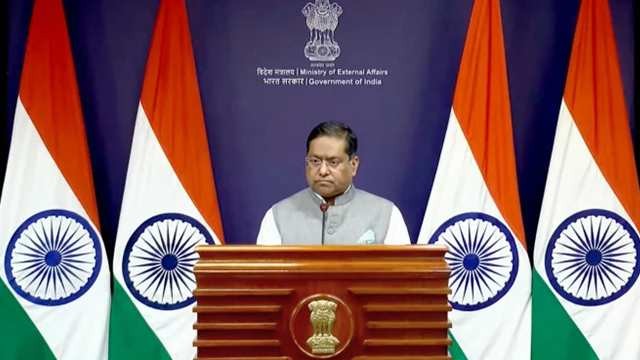
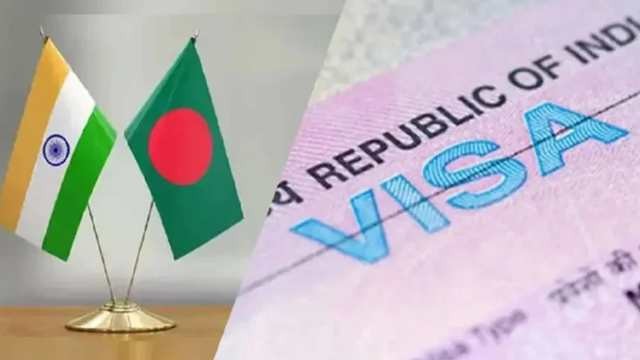
India’s Ministry of External Affairs (MEA) has reiterated its longstanding position on Bangladesh, addressing issues including the country’s domestic political situation, the extradition of former Prime Minister Sheikh Hasina and the upcoming renewal of the Ganges Water Sharing Treaty.
Speaking at the ministry’s regular weekly media briefing in New Delhi on Friday, MEA spokesperson Randhir Jaiswal reaffirmed India’s desire to maintain a positive and constructive relationship with Bangladesh.
During the briefing, a journalist referred to recent remarks by Bangladesh’s Prime Minister and the ongoing political unrest in the country. The journalist asked about allegations that leaders and activists of the banned Awami League were involved in acts of sabotage in Bangladesh, allegedly under the direction of senior party leaders based in New Delhi.
Responding to the question, Jaiswal said India’s position remained unchanged.
“Our position remains steadfast. We want to have a positive, constructive and forward-looking relationship with Bangladesh. This is a relationship based on our shared history and common cultural values between our peoples. However, I have no fresh comments to offer on developments within Bangladesh,” he said.
Another journalist asked about the progress of Bangladesh’s request for the extradition of former Prime Minister Sheikh Hasina.
In response, Jaiswal reiterated India's earlier position, saying that Hasina’s extradition was a legal matter and would be addressed through legal channels.
“Her extradition is a legal matter, and it will be dealt with through legal processes,” he said.
India Says Joint River Commission Is the Framework for Ganges Treaty Talks
The upcoming expiry of the Bangladesh-India Ganges Water Sharing Treaty on December 12 also featured prominently in the briefing.
Asked whether any progress had been made on discussions regarding the treaty, particularly as an Indian delegation is currently in Bangladesh, Jaiswal highlighted the role of the Joint Rivers Commission (JRC).
“As I have said before, there is a Joint Rivers Commission between India and Bangladesh. This is the only institutional or structured mechanism for discussions on all transboundary rivers, including the Ganges,” he said.
Jaiswal added that India wanted to maintain a constructive and forward-looking relationship with Bangladesh while safeguarding its own interests. Discussions on the sharing of transboundary river waters, he said, would continue within the existing institutional framework.
The Indian briefing came a day after Bangladesh's Prime Minister delivered remarks concerning the Awami League and its activities.
Speaking at a public rally organised by the district BNP after inaugurating a canal re-excavation programme at Mahendranagar in Lalmonirhat Sadar upazila on Thursday afternoon, the prime minister accused the Awami League of failing to protect the interests of the country and its people.
Without directly naming any country, he said the party had fled across the border and was now conspiring against the people of Bangladesh to please its foreign patrons.
The remarks came amid continuing political tensions and renewed attention to Bangladesh-India relations.
Advertisement