১১ আশ্বিন ১৪৩৩



Iraqi Armed Groups Showcase Missile Capabilities Amid Rising Iran–US Tensions
04 February 2026 05:02 AM
NEWS DESK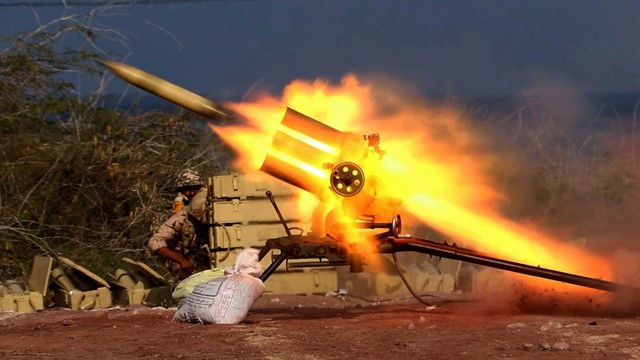
Amid escalating tensions between Iran and the United States in the Middle East, armed groups affiliated with Iraq’s Popular Mobilization Forces (PMF) have moved to demonstrate their military strength. Recently, a group known as Saraya Awliya al-Dam released a video showcasing what it claims to be a vast underground stockpile of rockets and missiles, drawing widespread global attention.
The footage shows large ballistic missiles being transported by trucks through underground tunnel networks, suggesting the existence of a concealed “missile city.” Military analysts say the disclosure serves as a strong warning to both the United States and Israel.
The presence of several senior regional resistance leaders in the video has added to its significance. Analysts believe this was intended to convey that Iraqi resistance actions are not isolated local decisions but part of a broader, coordinated strategy within the regional “Axis of Resistance.”
Saraya Awliya al-Dam emerged following the assassination of Iranian General Qassem Soleimani and Iraqi PMF deputy chief Abu Mahdi al-Muhandis in 2020. Since its formation, the group has openly opposed the US military presence in Iraq. According to a report by the Washington Institute for Near East Policy, the group was previously involved in attacks on the Ain al-Asad and Harir military bases.
The Iraqi fighters are believed to possess Iranian-made Zelzal and Fajr rockets, as well as domestically developed missiles such as Batar and Salam-1. Following the outbreak of the Gaza war, the group also claimed the successful use of a medium-range missile named “Aqsa-1.”
This development is being viewed as a significant setback for US intelligence agencies, raising serious questions about how such extensive underground missile infrastructure could be constructed despite two decades of US military presence and advanced surveillance systems in Iraq.
Regional political analysts suggest that Iraqi armed groups are no longer merely proxies dependent on Tehran but are increasingly capable of making independent operational decisions. The open declarations of readiness and full support for Iran by powerful factions such as the Badr Organization, Kataib Hezbollah, and the al-Nujaba Movement indicate that, in the event of a wider regional conflict, Iraq-based groups could play an active and potentially devastating role.