২৭ আশ্বিন ১৪৩৩



US–Iran Geneva Talks End Without Breakthrough, War Concerns Persist
01 March 2026 00:03 AM
NEWS DESK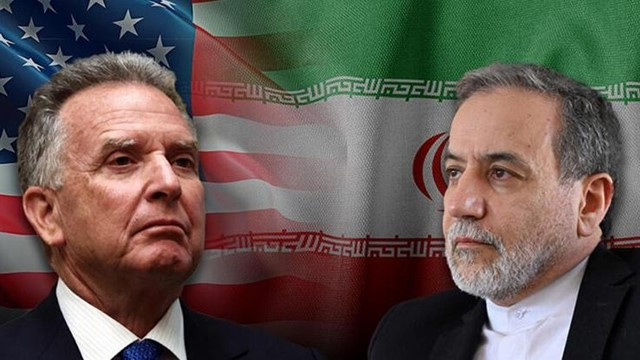
Indirect talks between the United States and Iran over Tehran’s nuclear program concluded in Geneva, Switzerland, after several hours without a specific agreement or breakthrough, leaving concerns of renewed conflict in the Middle East unresolved.
The discussions, held Thursday, were widely seen as a potential last diplomatic opportunity to avert possible US military action against Iran. However, with no final resolution reached, uncertainty remains high. Mediator Oman indicated that both sides showed signs of progress in certain areas.
Omani Foreign Minister Badr Albusaidi said in a post on X after two sessions of talks in Geneva, “We concluded the day with notable progress in discussions between the United States and Iran.”
He added that both parties plan to resume negotiations soon after consultations in their respective capitals. Technical-level talks have been scheduled for next week in Vienna. While expressing cautious optimism, Albusaidi did not provide details on whether the main obstacles to a deal had been resolved.
In an interview, Iranian Foreign Minister Abbas Araghchi described the Geneva meeting as one of the most serious rounds of talks between Tehran and Washington in recent years.
“We have reached agreement on some issues, and disagreements remain on others,” Araghchi said, adding that the next round of negotiations would take place within less than a week. He reiterated Iran’s firm demand for the removal of US sanctions.
Washington has long maintained that sanctions relief would require significant concessions from Tehran.
Although the US delegation did not issue an official statement, Axios quoted a senior US official as describing the Geneva discussions as “positive.” Meanwhile, US Secretary of State Marco Rubio characterized Iran’s refusal to discuss its ballistic missile program as “a major problem,” claiming the missiles are designed to threaten the United States.
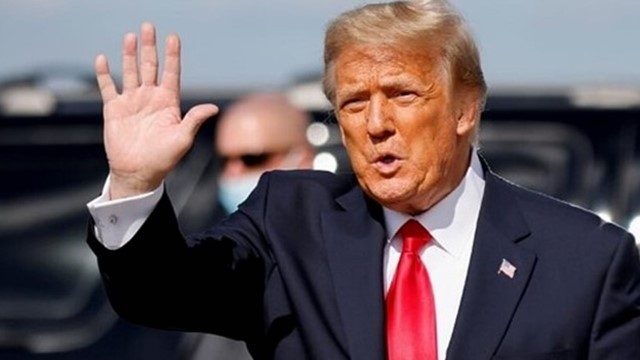
The talks come amid heightened instability across the Middle East. President Donald Trump warned on February 19 that if no agreement is reached within 10 to 15 days, “something really bad” could happen. While expressing preference for a diplomatic solution, Trump made clear that he would not allow Iran to acquire nuclear weapons.
The United States has reportedly increased its military presence near Iranian waters, deploying additional warplanes and naval assets.
With tensions escalating and military assets repositioned in the region, global attention is now focused on the upcoming Vienna talks, widely viewed as the final diplomatic push before a potential decisive move by Washington.